Last updated November 25, 2026
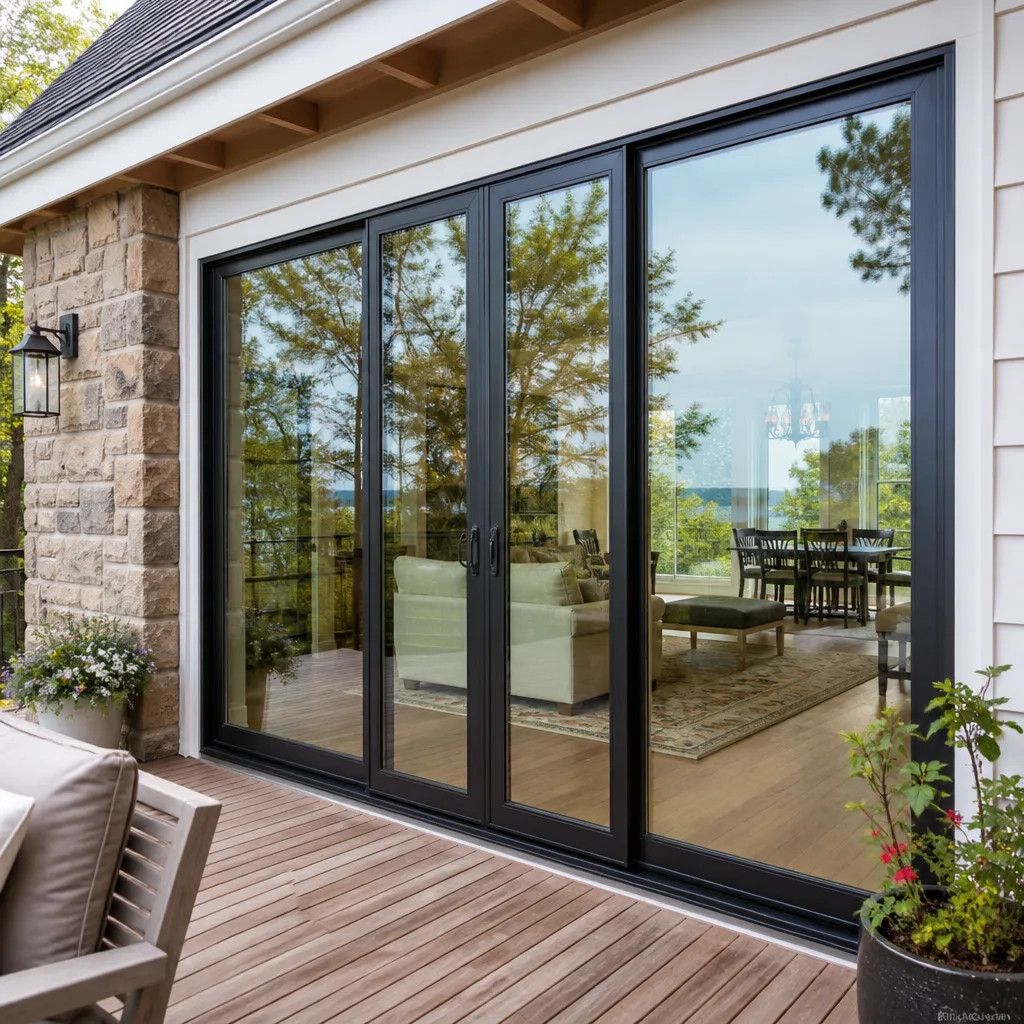 Sliding glass doors
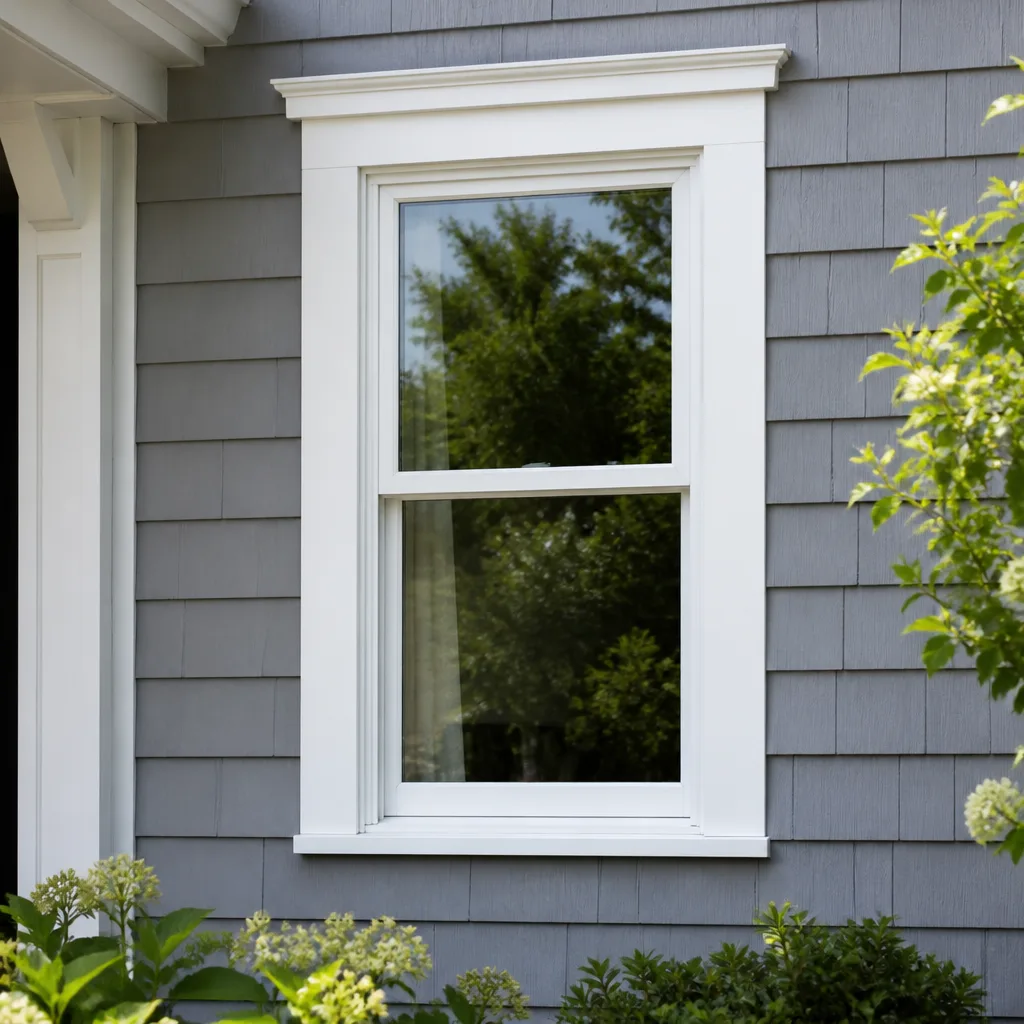 Single hung
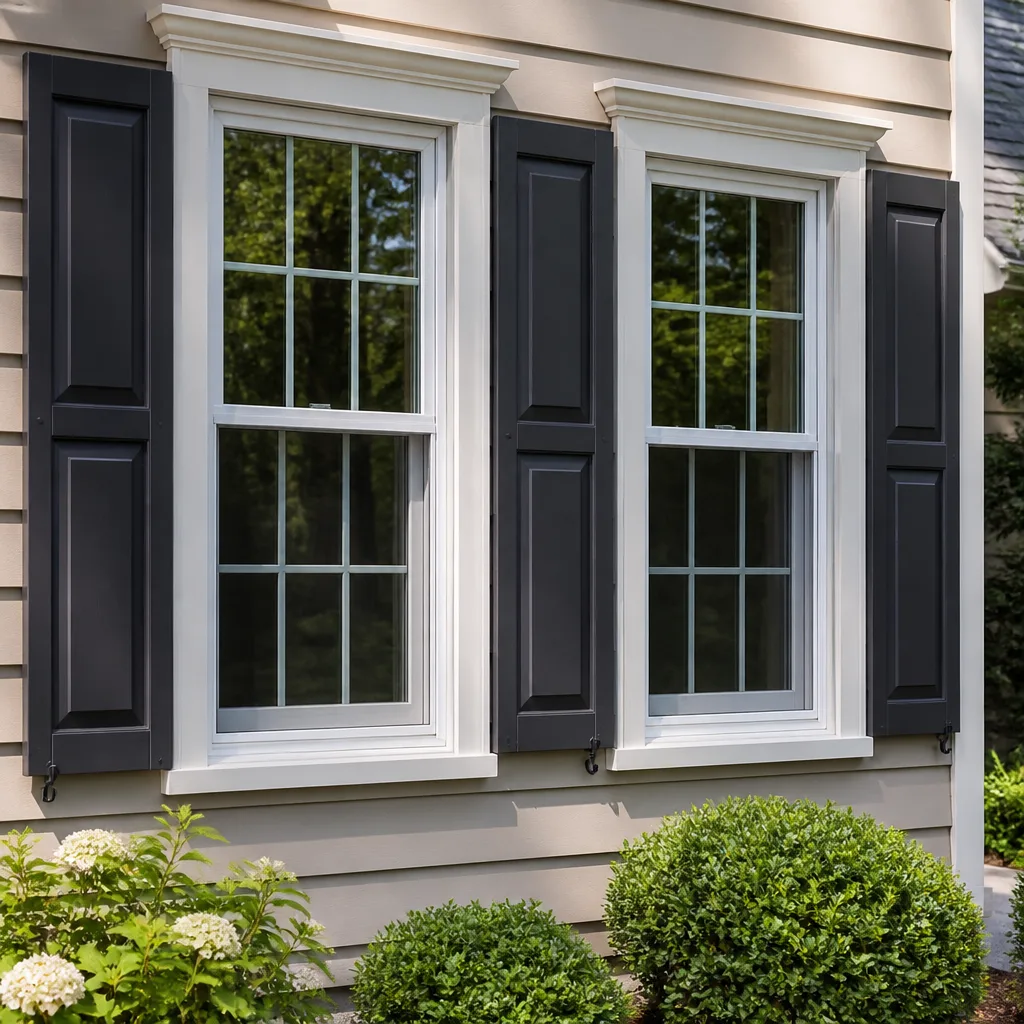 Double hung
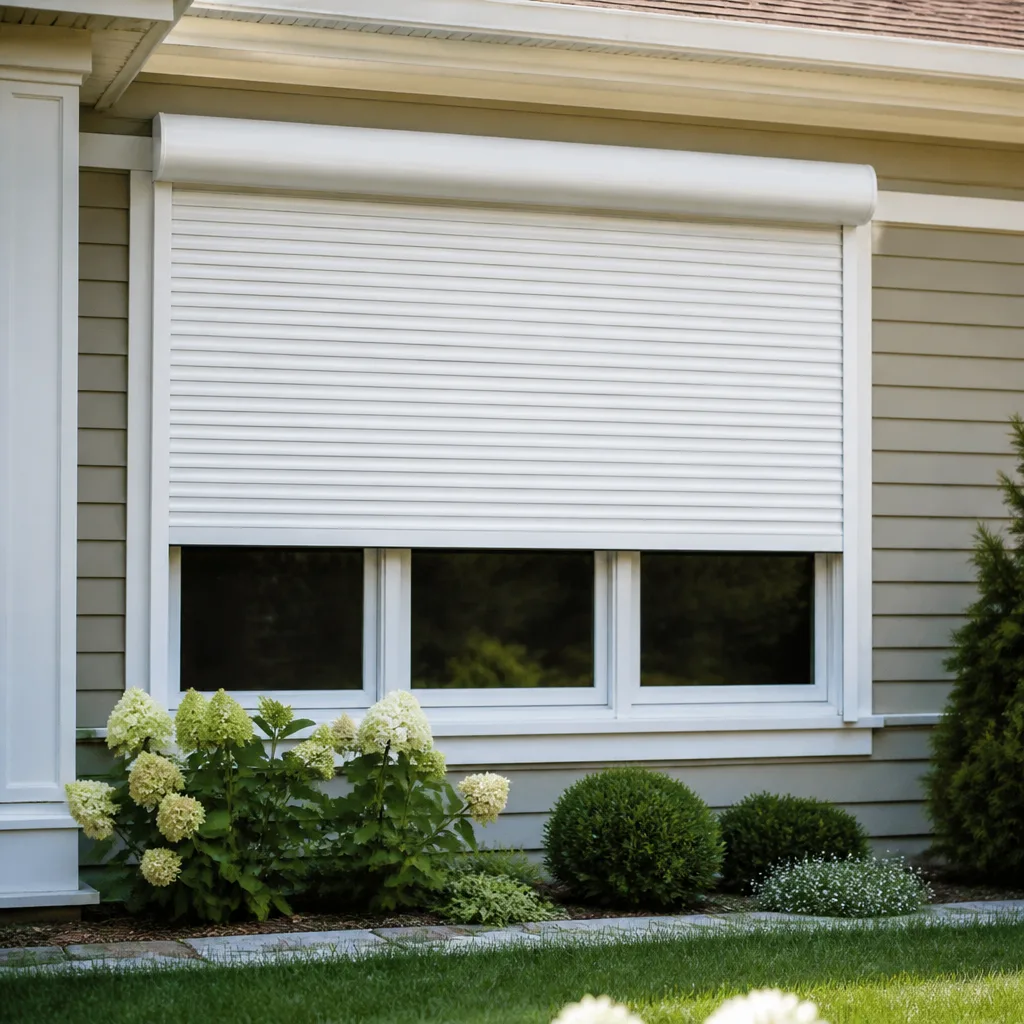 Horizontal roller
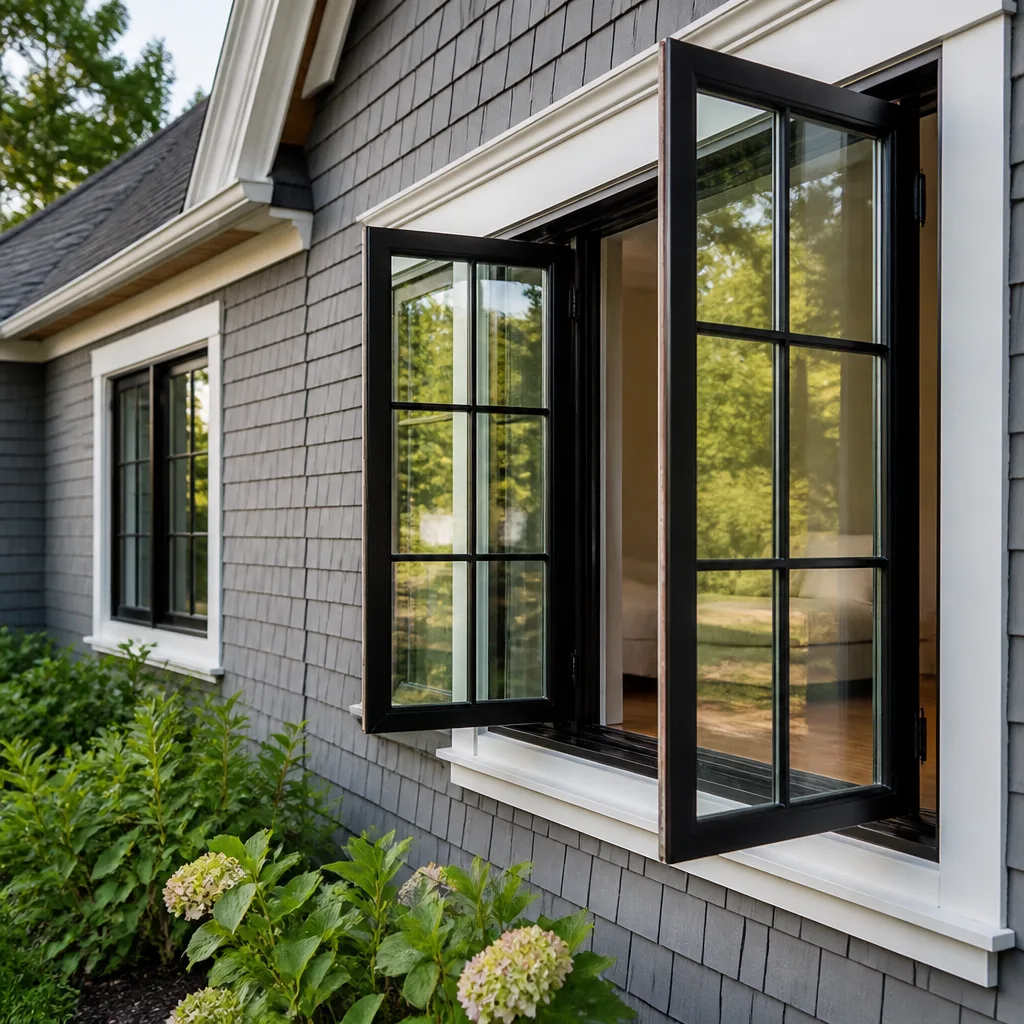 Casement
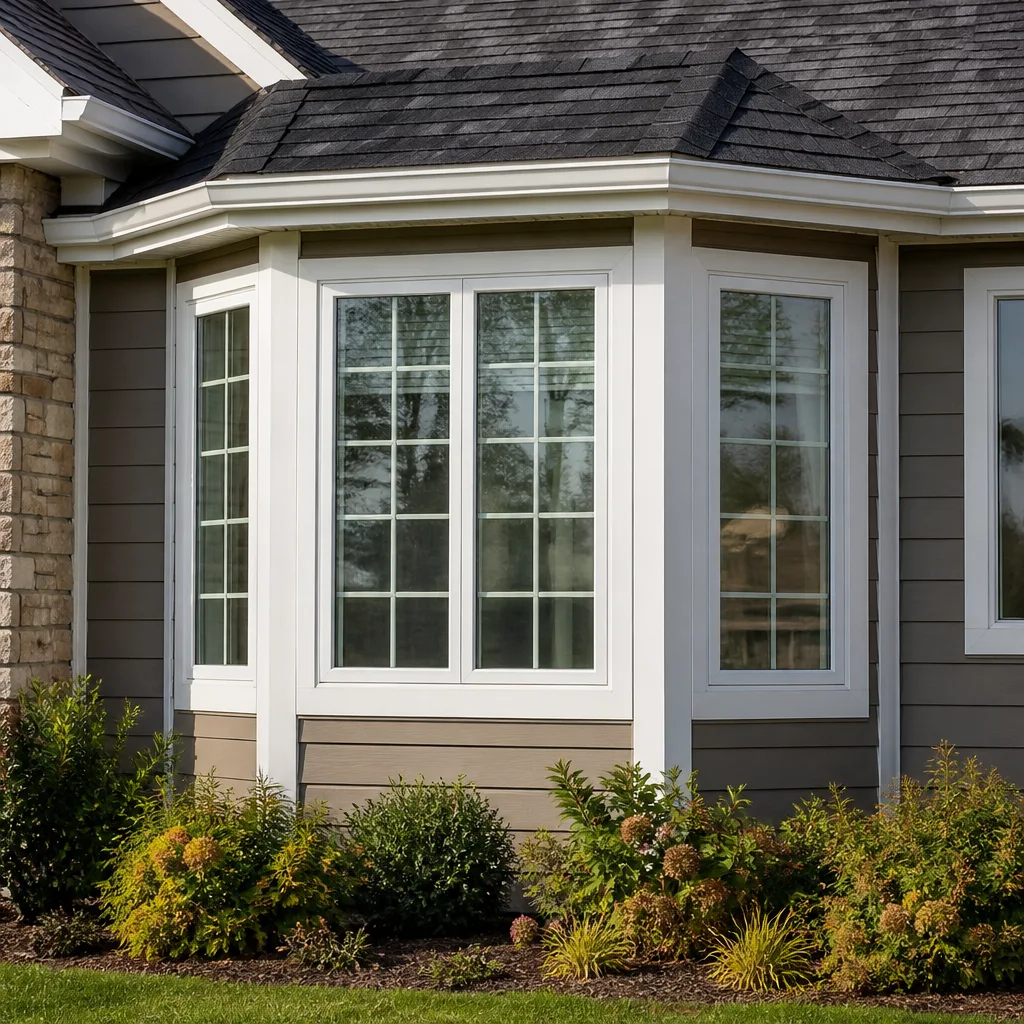 Bay & bow
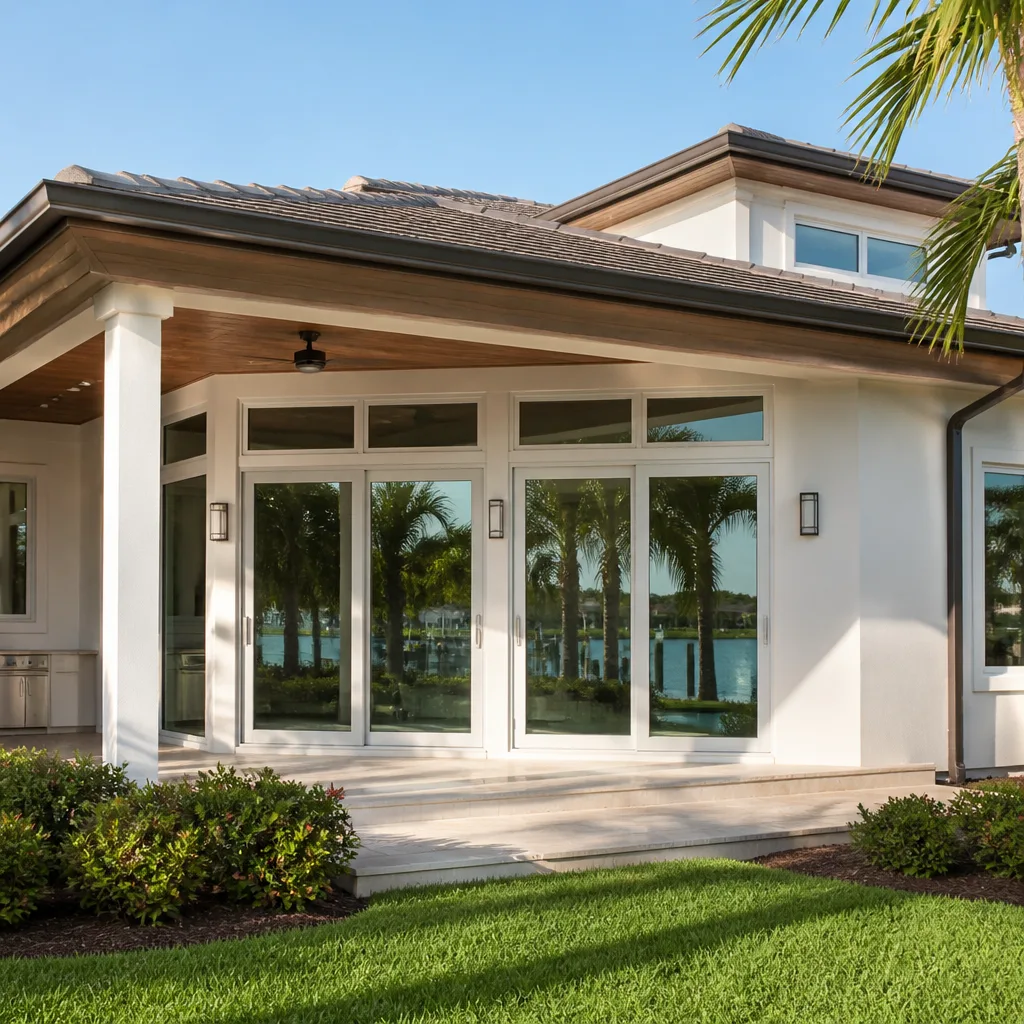
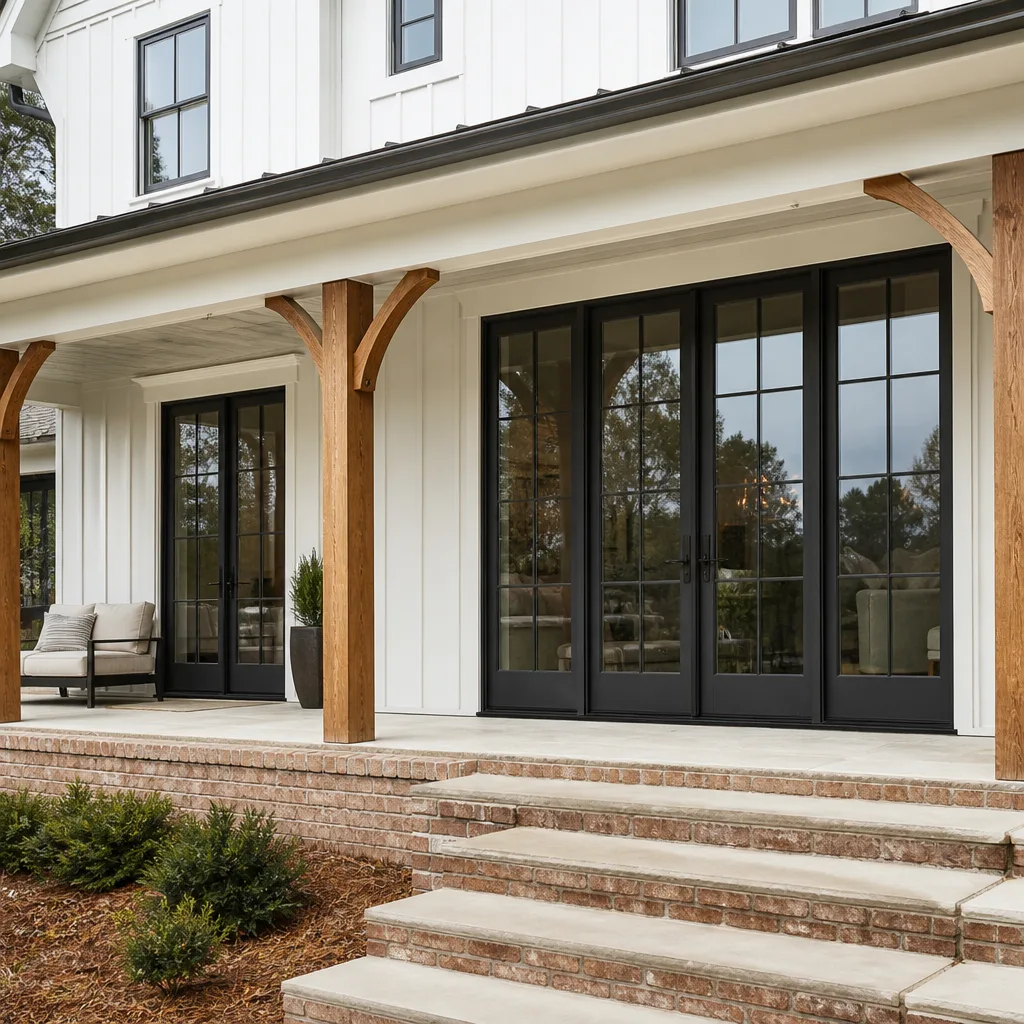
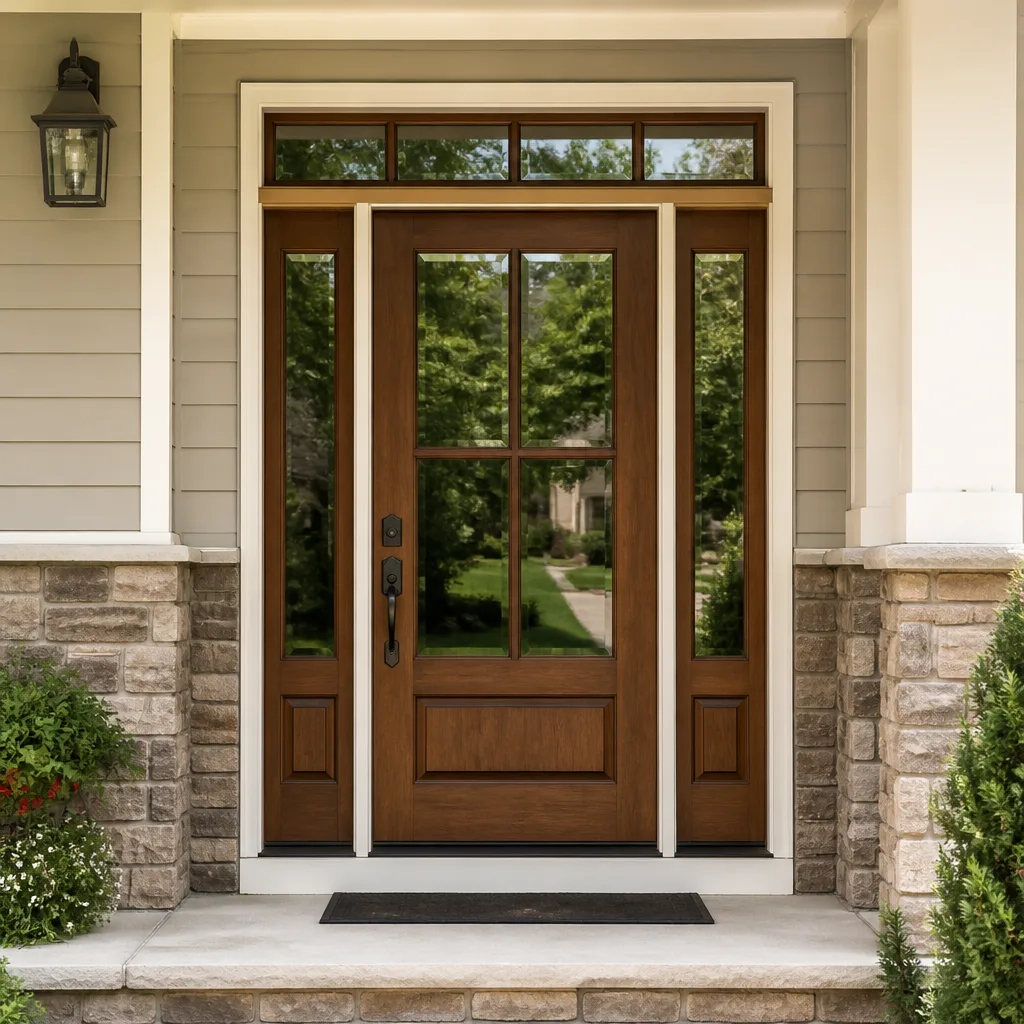 Entry doors
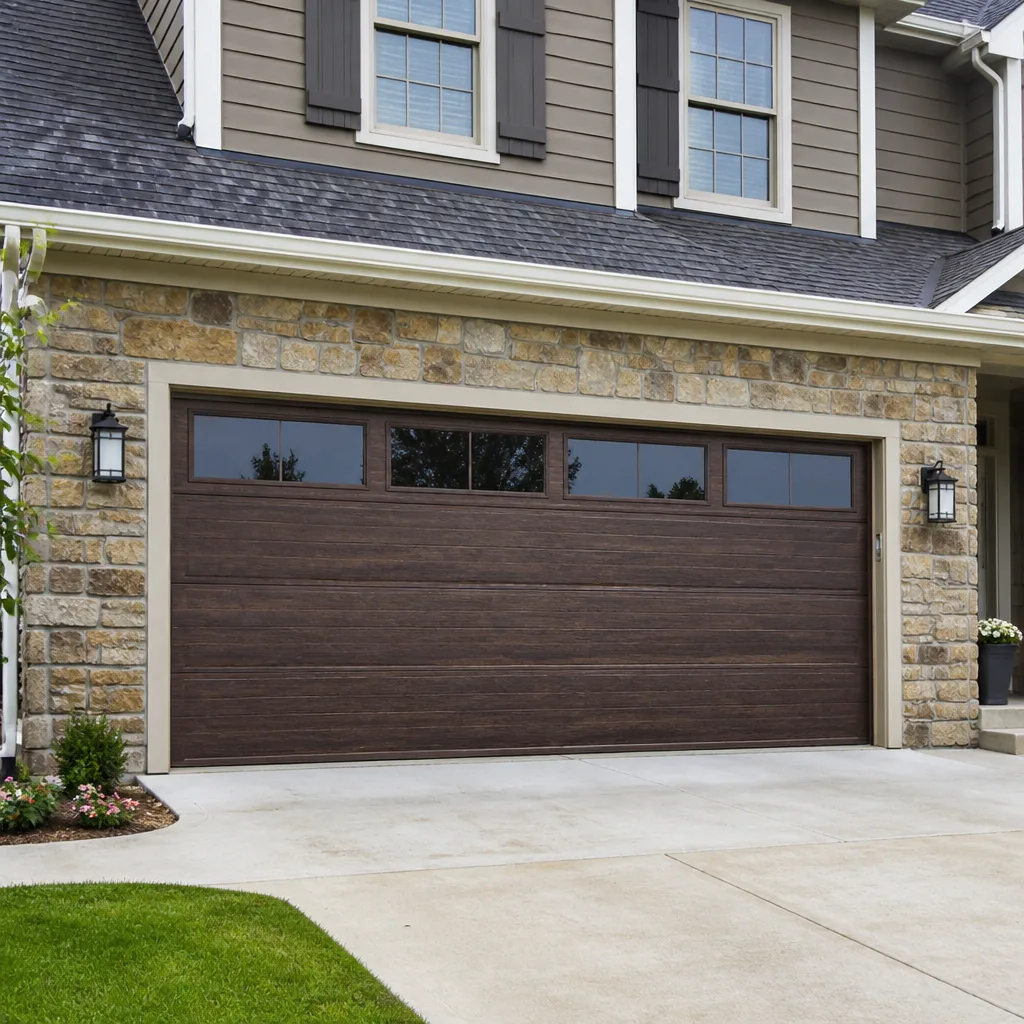 Impact garage doors
 PGT
 CGI
Free in-home measure and quote - PGT, CGI and CWS impact lines compared on your actual openings, style by style
Get your free estimateHow to Hire a Windows & Doors Contractor in Kent: A Step-by-Step Guide
Washington State requires a contractor license to replace windows in Kent. It does not require a single hour of windows-specific training to get one. That gap is where most hiring mistakes start. The person who walks your project, measures your openings, and hands you a quote could be a dedicated window and door specialist, or they could be a general remodeler who added window replacement to the service list last season and learned the trade on other people’s homes. The license looks identical on paper. The installation does not. This guide gives you the exact lookups, questions, and quote-reading habits that tell the two apart before you sign anything.
Quick Answer
Hire a Kent windows and doors contractor by verifying three things in order: an active Washington State L&I contractor registration with the right specialty, a quote that itemizes flashing, disposal, and low-expansion foam rather than lumping them into one number, and a written installation warranty backed by the contractor, not just the manufacturer. Then ask about rough-opening tolerances and flashing method. A general remodeler often can’t answer those two questions in specific terms. A dedicated installer can, because that’s the work they do every week.
Styles & brands we work with
- Single hung
- Double hung
- Horizontal roller
- Casement
- Bay & bow
- Sliding glass doors
- Entry doors
- Impact garage doors
- PGT
- CGI
Table of Contents
- Step 1: Verify the License on the Washington L&I Database
- The Five Interview Questions That Separate Specialists From Generalists
- How to Read a Window Replacement Quote Line by Line
- Manufacturer Warranty vs. Installation Warranty: What Each One Covers
- Why the Number of Brands a Contractor Can Supply Matters
- Kent-Specific Factors That Affect Your Window and Door Project
- A Step-by-Step Hiring Sequence for Kent Homeowners
- Common Mistakes to Avoid
Step 1: Verify the License on the Washington State L&I Database
Start at the Washington State Department of Labor & Industries contractor registration lookup. It’s free, public, and takes about two minutes per contractor. You’re not looking for a license number to memorize. You’re looking for four things, in this order.
- Status. The registration must say active. If it says suspended, expired, or revoked, stop here. No exceptions, no promises, no “it’s being renewed.”
- Business type and specialty. L&I lists a general contractor registration. Window replacement falls under that general contractor category in Washington, which is precisely why the registration alone tells you very little about window competency. A registration proves the business is bonded and carries required insurance. It does not prove anyone on the crew has installed a window before.
- Insurance and bond status. The database shows whether the required general liability insurance and surety bond are current. If they’ve lapsed, the contractor isn’t legally working.
- Registration history. Look at how long the current registration has been active and whether there are enforcement actions. A registration that started this year is a conversation point, not an automatic disqualifier – plenty of newer contractors install well. But pair a new registration with vague answers on flashing and you have your answer.
The practical takeaway: the L&I lookup filters out the unlicensed and the lapsed. It won’t tell you whether you’re hiring a windows-and-doors specialist. That part is on you, and the next two sections are how you do it. Ask any contractor you’re considering for their registration number up front and check it yourself rather than trusting a screenshot on a website.
The Five Interview Questions That Separate Specialists From Generalists
These five questions work because a general remodeler who does some window work can’t fake the answers. They’re not trivia. They’re things you only know from doing the work repeatedly.
- “What’s your rough-opening tolerance, and how do you check it before ordering?” A specialist measures every opening and accounts for the framing variance that older Kent homes tend to have. They’ll talk about measuring at multiple points in each opening and confirming the measurement against the actual rough opening before the order goes in. A generalist tends to take one measurement and move on.
- “How do you flash these openings, and in what order?” Flashing is the waterproofing detail that keeps water out of your wall assembly. The specialist starts with the sill pan, then the jambs, then the head, so water sheds outward and downward. Ask them to describe it in that sequence. If the answer is a brand name with no sequence, keep asking.
- “What do you seal the gap between the frame and the rough opening with, and why that product?” Low-expansion foam is the correct answer for most window frames. Standard high-expansion foam can bow the frame and warp the operating hardware. A specialist names the product and explains the reason. A generalist says “caulk.”
- “Who does the actual install, and how long have they been installing windows?” You want a direct answer about the crew doing the work on your home. “Our technicians have up to 9 years of experience” is the kind of answer a dedicated installer gives. “We’ve got a guy” is not.
- “What does your installation warranty cover, and for how long?” This one exposes more than any other. A specialist has a written installation warranty because installation is the product they sell. A generalist often doesn’t, because warranty-writing isn’t their core trade. If there’s no labor warranty, end the conversation here.
Ask these in the first conversation, not after the quote. The answers tell you whether the quote is worth reading closely.
How to Read a Window Replacement Quote Line by Line
A legitimate window replacement quote in Kent itemizes the work, not just the product. If you see one number for “windows installed,” you’re looking at a quote that hides its own gaps. Here’s what should be on the page.
- Product line and brand, per window. Not “vinyl double-hung” but the actual brand and model. Products from CGI, CWS, ES Windows, or ECO Window Systems carry different performance specs, and you should be able to match what you’re paying to what you’re getting.
- Old window removal and disposal. Tear-out and haul-away are real labor and real dump fees. If these are missing, expect a surprise charge later or a crew that leaves the old units on your curb.
- Flashing materials and installation. This should be a named line item, not folded into “install.” Flashing is the most important weatherproofing step and the most commonly skipped.
- Low-expansion foam and sealant. Same rule. Named, priced, itemized.
- Trim and interior finish scope. Does the quote say who reinstalls interior trim and how it gets finished? Omissions here are where the “extra charge after the fact” conversation usually starts.
- Permit fees, or a clear statement of who pulls what. Most Kent window replacements need a permit, so the quote should say who handles it.
- Installation warranty terms, in writing. Named duration and what’s covered.
- Written scope of what’s excluded. Good quotes list what they won’t do. That’s confidence, not hedging.
Red flags: no disposal line, no flashing line, no foam, no warranty language, and a lump-sum “install” number that can’t be broken out. When the itemization is missing, ask for a written line-item quote. A specialist will produce one without friction. A generalist will often resist and offer a “great price if we sign today” instead.
Manufacturer Warranty vs. Installation Warranty: What Each One Covers
These are two separate documents and most homeowners conflate them. The manufacturer warranty covers the product – the glass, the frame, the hardware, the seals inside the unit. The installation warranty covers the labor and the workmanship that put the product into your wall. If water gets behind the frame because flashing was done wrong, that’s an installation problem. The manufacturer won’t cover it. Only the contractor’s installation warranty will.
That’s why a contractor who offers no labor warranty should end your conversation. It’s not a negotiating tactic. It’s a statement that they don’t stand behind the part of the job that’s actually theirs. In Kent, where the rainy season tests every seal and flashing detail, the installation warranty is the line that matters most.
When you review the warranty:
- Get the manufacturer warranty in writing for the specific product line, not a generic brochure.
- Get the installation warranty in writing with a stated duration.
- Ask what happens if a window leaks at the seal within the warranty period. Who inspects, who decides, and who pays?
- Ask whether the installation warranty transfers if you sell the home. That’s a valuable detail for resale.
- Watch for warranty terms that void coverage if a third party does any work on the unit later. That’s normal, but you should know it up front.
Manufacturer warranties back the product. Installation warranties back the judgment of the person who framed, flashed, and sealed your opening. You want both. We build quotes around the second one because the first one is only as good as the install behind it.
Why the Number of Brands a Contractor Can Supply Matters
A single-brand dealer has a structural incentive to steer you to that brand no matter what your home actually needs. That’s not dishonesty; it’s inventory reality. A contractor who carries one product line stocks that product, trains on that product, and sells that product. If it’s the wrong fit for your opening, you may still hear it recommended. A multi-brand specialist has the opposite pressure: they can move you toward whatever actually fits, because they’re not locked into one product’s margin and one product’s stock.
This is where the specialist-versus-generalist distinction gets concrete. A general remodeler often buys through a big-box account and carries whatever’s cheapest that week. A dedicated windows and doors contractor works a portfolio. We install and supply eight brands: PGT, CGI, CWS, ES Windows, ECO Window Systems, Mr-Glass, Therma-Tru, and ViewLux. That breadth exists so the product matches your opening rather than the other way around. If your home has impact-rated requirements or energy-efficient targets, the portfolio needs to include that tier. If budget is the priority, the same portfolio needs a mainstream line.
Ask any contractor you consider:
- How many window and door brands can you supply, and which one would you choose for my opening and why?
- Do you have dedicated door lines as well as window lines, or windows only?
- If I want an impact-rated unit versus an energy-efficient one, can you quote both from your lineup?
If every answer points to one brand, you’re talking to a dealer. If the answer changes based on the opening and the goal, you’re talking to a specialist. The full breadth of our Window Replacement Kent portfolio is the clearest version of that idea in this market.
Kent-Specific Factors That Affect Your Window and Door Project
Kent’s housing stock spans a wide age range, from mid-century homes in the older central neighborhoods to newer construction on the edges. That range matters for window replacement. Older homes tend to have rough openings that have shifted, settled, or been modified over the decades, which is exactly why the measurement and flashing questions in this guide matter more here than the general advice you’d read on a national site. A contractor who assumes a 1950s opening measures like a 2010 opening will find the gap the hard way – at install, after the order is placed.
The local rainy season is the second factor. Water intrusion is the failure mode that costs Kent homeowners the most on a bad install. Sill pans, head flashing, and the right sealant joint do the real work. On a quote, those details should be named line items, not invisible.
The third factor is permit handling. Most window replacements in Kent require a permit, and the permit inspection is a useful quality gate. A contractor who routinely pulls permits knows what the inspector looks for. Ask whether they’ll pull the permit and whether they’ll be there for the inspection. The answer tells you whether they expect their work to pass scrutiny.
We’ve seen enough Kent installs to know which details get skipped when a crew is rushing a job. The flashing sequence, the foam type, the measurement tolerance. None of them show up on a price comparison, and all of them show up two winters later.
A Step-by-Step Hiring Sequence for Kent Homeowners
This is the order that produces a clean decision. It front-loads the verification so you’re not comparing quotes from unvetted contractors.
- Get three contractor names from referrals, search, or a manufacturer’s dealer locator – and confirm each one is a windows and doors specialist before you invest time in a meeting.
- Verify each license on the Washington State L&I database. Active status, current insurance, current bond, and any enforcement history.
- Book an in-home measure and walk. A specialist measures each opening and asks about your goals (performance, appearance, budget). A generalist often quotes from a rough estimate.
- Ask the five interview questions in this guide. Score the answers on specificity, not enthusiasm.
- Request a written line-item quote. Same scope from every contractor so you’re comparing like for like. Disposal, flashing, foam, trim, permit, and warranty should all be visible.
- Confirm both warranties in writing. Manufacturer warranty for the product, installation warranty from the contractor for the labor.
- Confirm who pulls the permit and who attends the inspection.
- Read the contract. Look for change-order language and confirm the written quote becomes the fixed price.
- Choose on fit and accountability, not on the lowest number. The lowest number is often the one with the fewest line items for a reason.
This is the same sequence we recommend whether or not you end up working with us. If your windows and doors are ready to be quoted, the first step is the free estimate. Every question in this guide is one we answer at the measure.
Common Mistakes to Avoid
- Hiring on price alone. The lowest quote in Kent is often the one with the fewest line items. When disposal, flashing, and foam aren’t priced, they’re either going to be added later or skipped.
- Confusing the contractor registration with window competency. The L&I lookup proves the business is licensed, bonded, and insured. It says nothing about whether the crew has installed a window. Ask the interview questions instead.
- Accepting a quote without an installation warranty. No labor warranty means no accountability for the part of the job the contractor actually controls. End the conversation and move on.
- Skipping the rough-opening measurement conversation. One measurement per opening is a recipe for fit problems. Ask how the contractor measures and how they confirm before the product is ordered.
- Overlooking who pulls the permit. In Kent, most window replacement jobs need a permit. If the contractor dodges the question, they may be avoiding the inspection that would catch their work.
- Letting one brand dictate the solution. A single-brand dealer will steer you toward their line. A specialist with a real portfolio will tell you which product fits your opening, and why, from among several.
- Skipping the door scope. If your project includes an entry door or sliding glass door, confirm the contractor handles those too. A windows-only shop will leave you hiring a second contractor for the doors.
See the difference
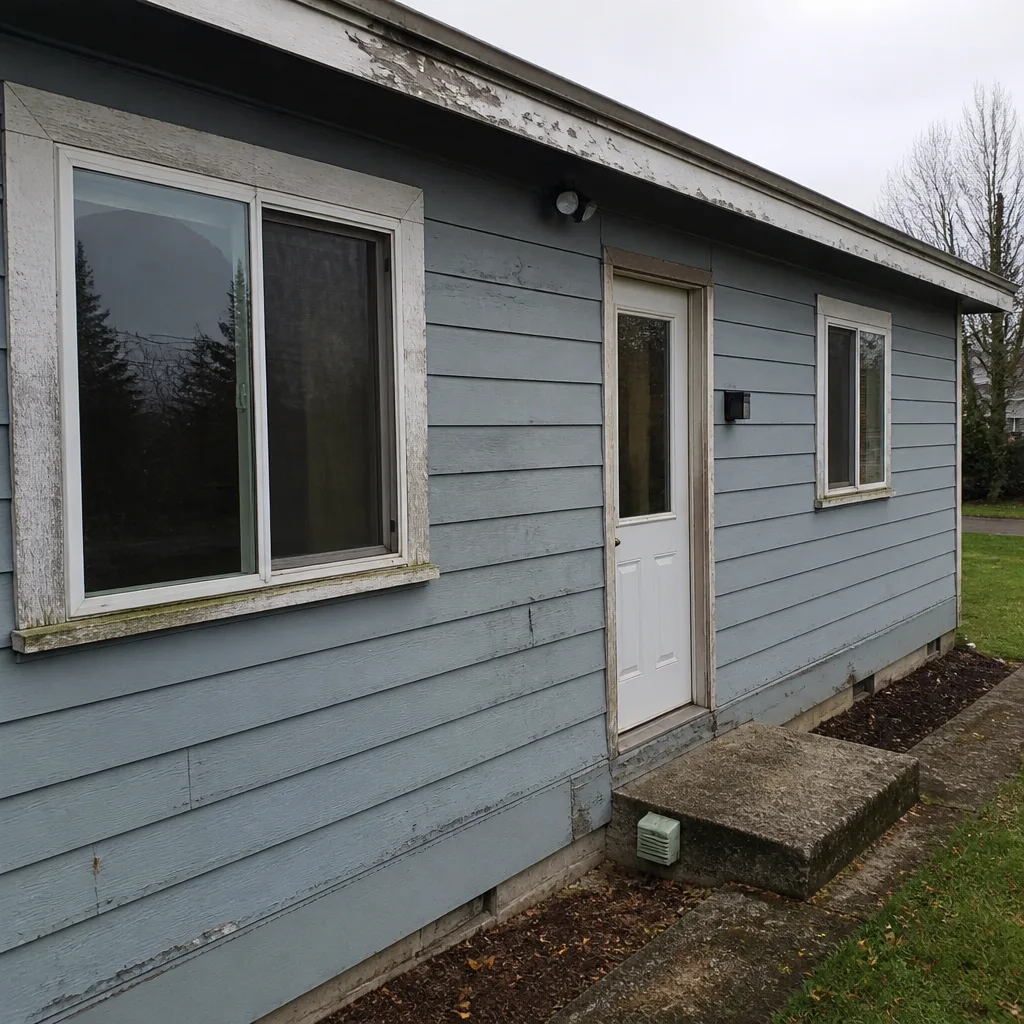 Before
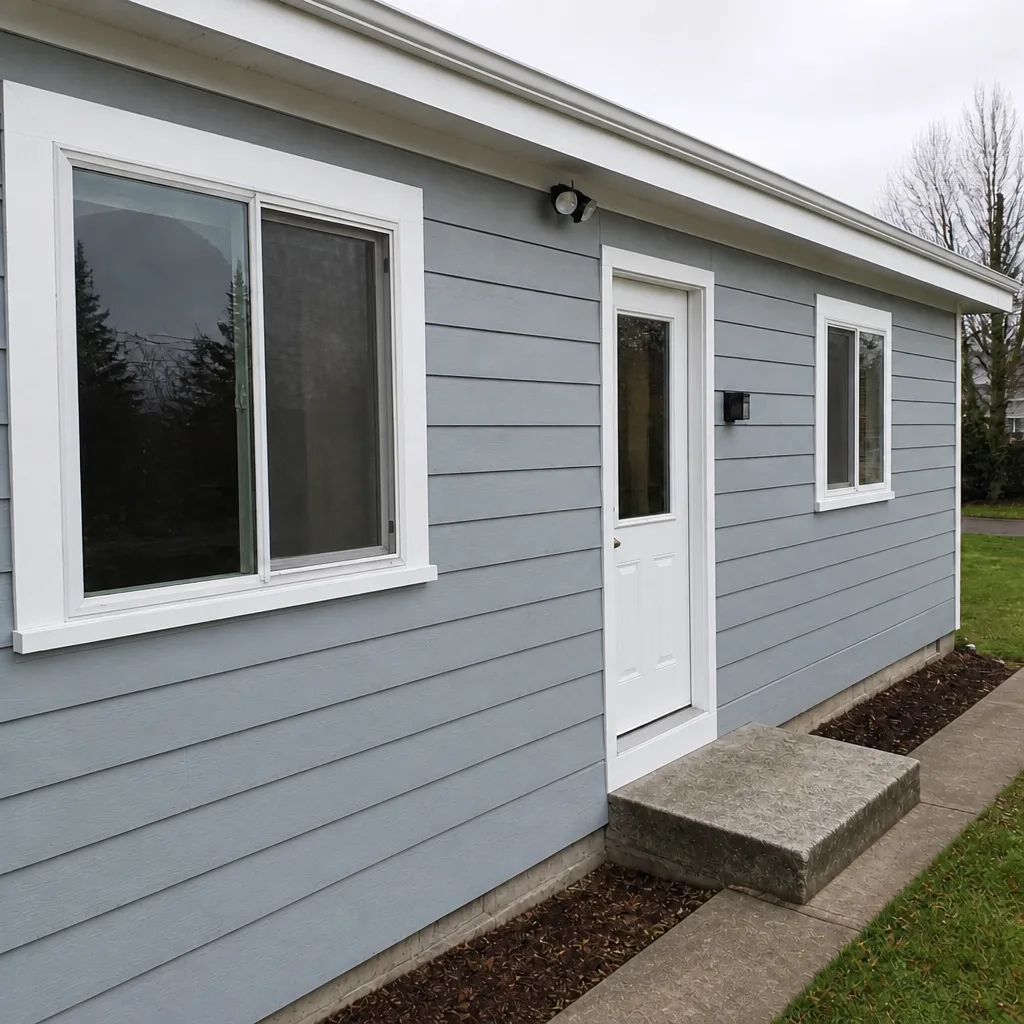 After
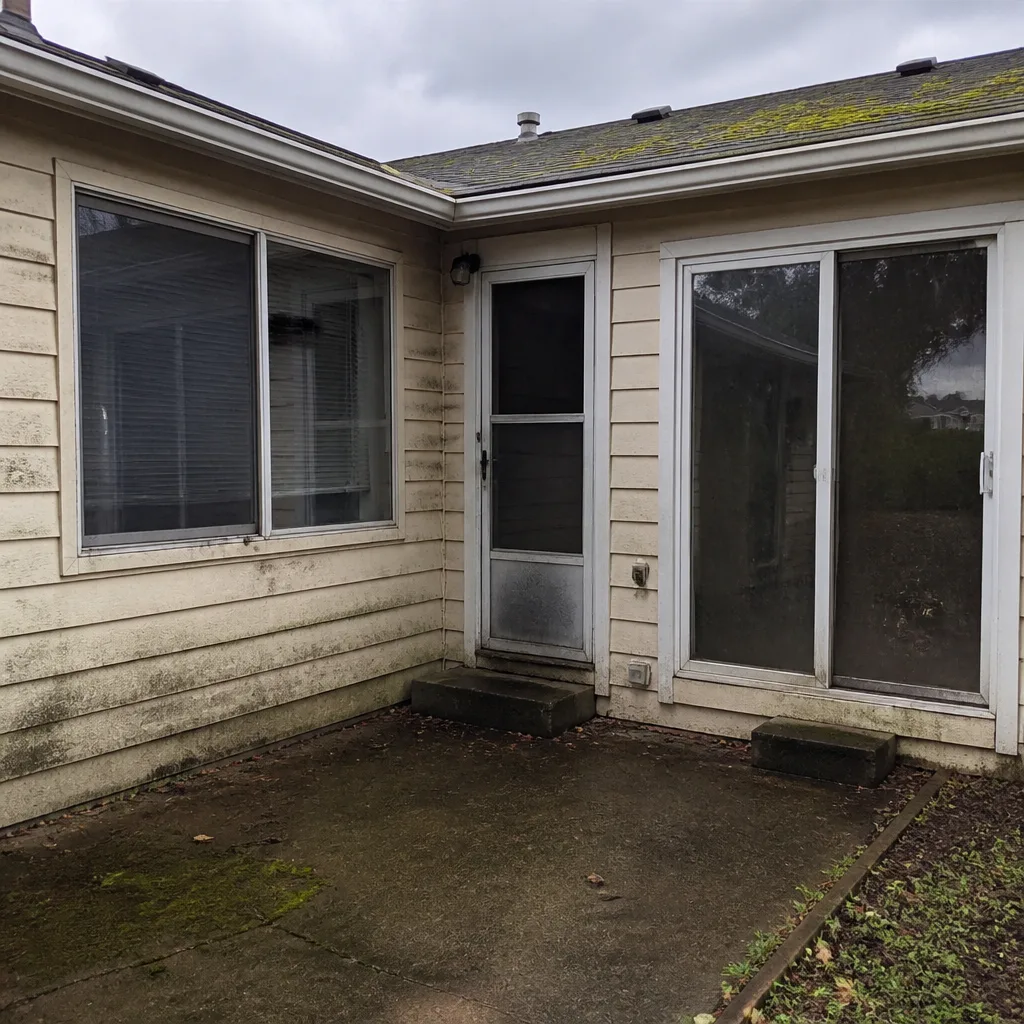 Before
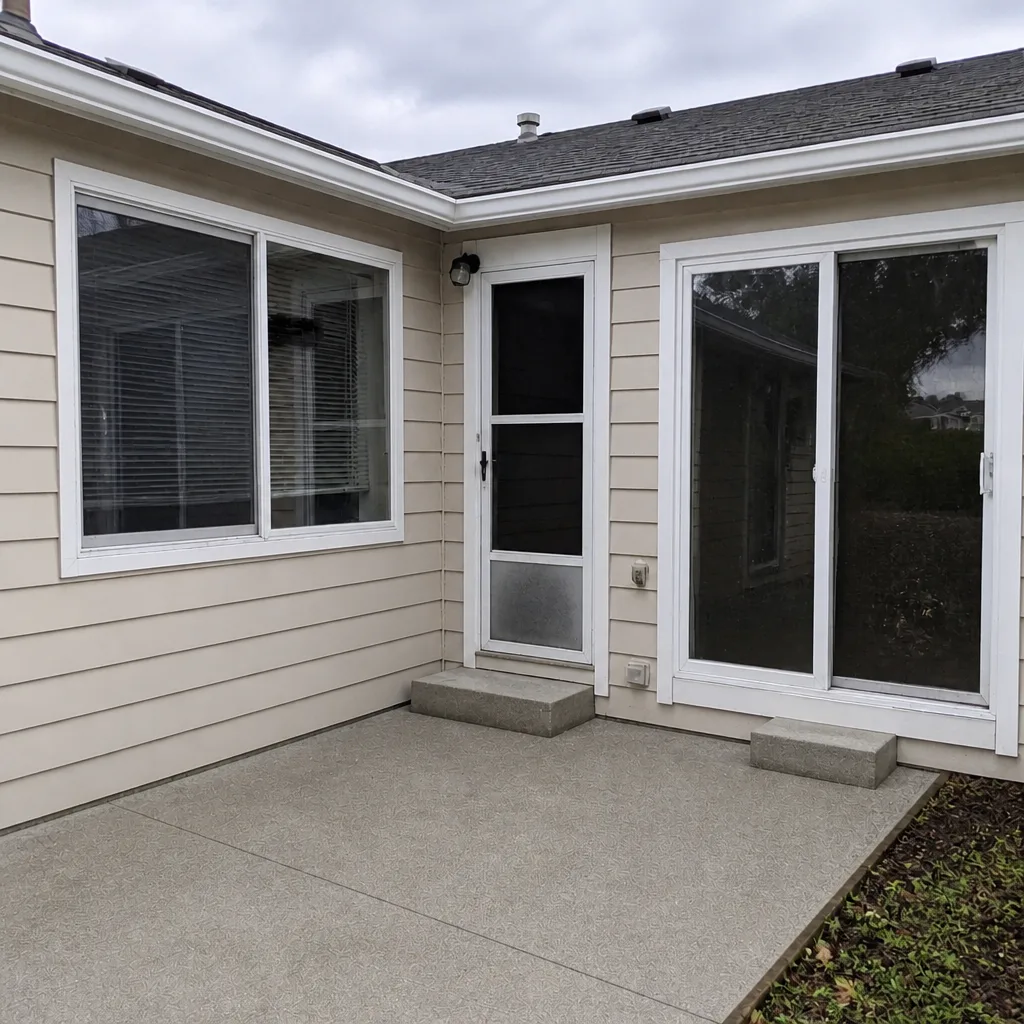 After
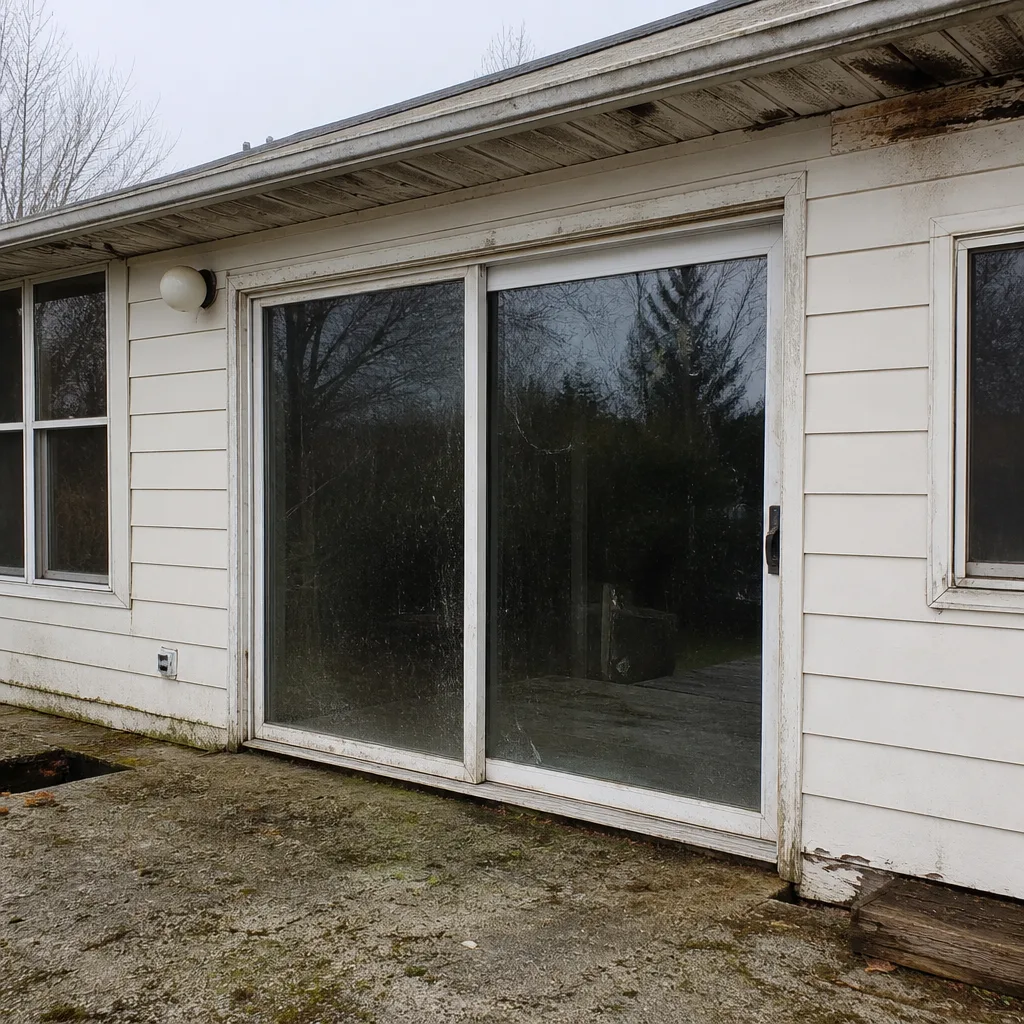 Before
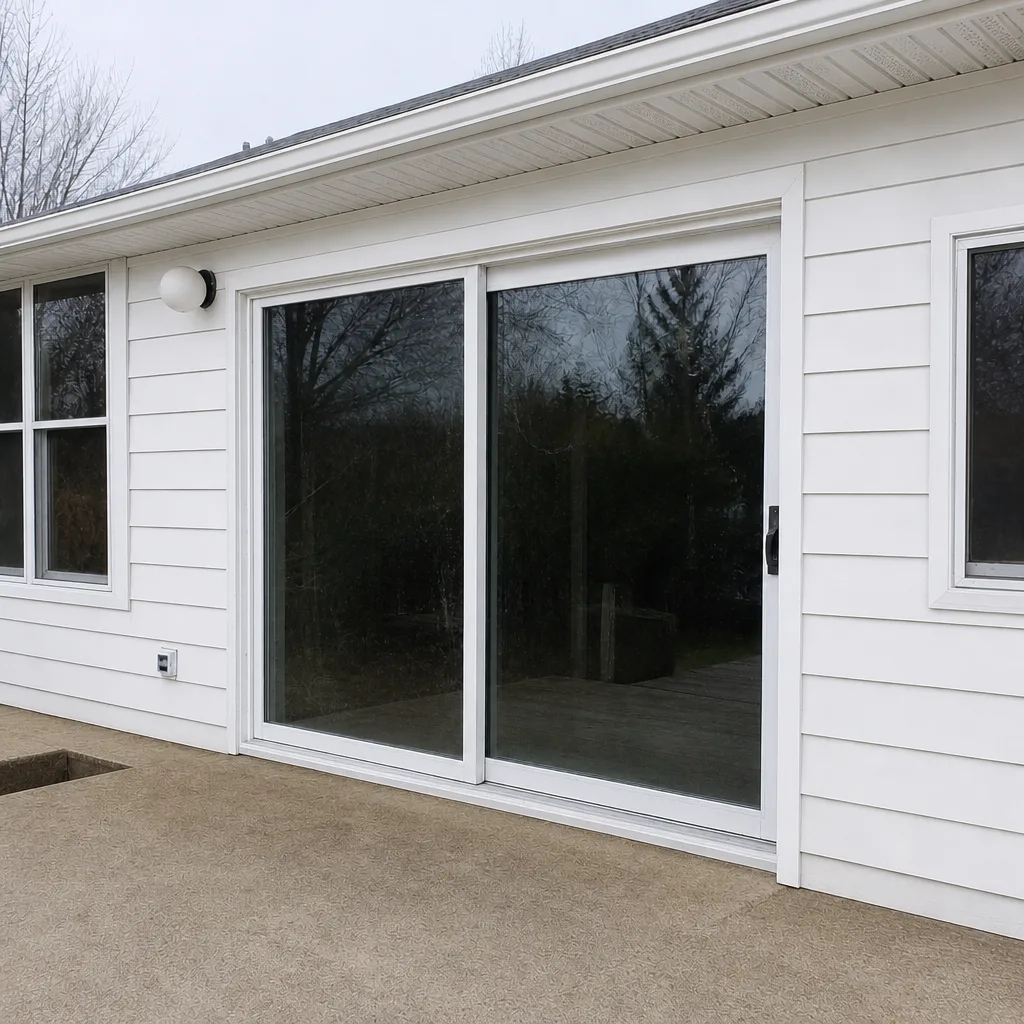 After
When to Call a Professional
Call a professional when windows or doors no longer seal, close, or lock cleanly, when the surrounding trim or drywall shows moisture, when the glass has lost its seal and gone foggy between panes, or when you’re planning a larger project that touches several openings at once. Window and door work on a home is not a safe place for shortcuts, especially the parts that involve trim, flashing, and the wall assembly itself. If the project includes three or more openings, that’s a natural point to get a specialist involved, because that’s the minimum scope we take on. window replacement is the most common starting point, and most of the hiring guidance above applies the same way.
Window Replacement Kent offers free estimates in Kent. Call (253) 480-6913 to schedule one, ask the five questions from this guide, and get a written line-item quote with both warranties attached.
Frequently Asked Questions
Yes. Window replacement falls under a general contractor registration in Washington, which means the contractor must hold an active L&I registration with current insurance and bond. That registration does not certify any window-specific training, so verify the license and then ask the interview questions to judge installation competence.
Ask about rough-opening tolerances and flashing sequence. A specialist answers in specific terms because that’s the work they do every week, and can produce a written installation warranty on request. A general remodeler who lists window work as one of many services typically answers in general terms and often has no labor warranty. Call (253) 480-6913 to speak with a specialist about a project in Kent.
Old window removal and disposal, flashing, low-expansion foam, trim scope, permit handling, product brand and model per opening, and installation warranty terms. If flashing or foam isn’t on the page, ask for a revised written line-item quote. Estimates are free, so there’s no reason to accept an incomplete one.
The manufacturer warranty covers the product – glass, frame, hardware, internal seals. The installation warranty covers the labor and workmanship that put the product into the opening. Faulty flashing, bad sealing, or a misfit frame are installation failures the manufacturer won’t cover, which is why a labor warranty is the stronger signal of a contractor who stands behind their work.
Enough to give you a real choice between performance tiers. Single-brand dealers have inventory incentives to sell their one line. A multi-brand specialist can match the product to your opening, budget, and goals instead. We install and supply eight brands, from impact-rated lines to energy-efficient lines, so the recommendation changes based on the project rather than a stock position.
Yes, if you hire a contractor whose scope covers both. door replacement – entry doors and sliding glass doors – can be handled in the same project as window installation, so every opening in your home gets the same accountable contractor, the same measure, the same warranty, and the same permit handling. That consolidation matters more than it sounds; splitting the work between two contractors usually means two sets of change-order risk. Call (253) 480-6913 for a free estimate covering both.
The Bottom Line
The biggest hiring mistake Kent homeowners make isn’t picking the wrong price point. It’s not knowing how to tell a windows and doors specialist from a remodeler who lists window replacement as one more service. The distinction shows up in the interview answers, in the quote line items, and in the warranty. Verify the L&I registration, ask about rough-opening tolerances and flashing method, demand a written line-item quote that names disposal and foam, and don’t sign without an installation warranty. Then check how many brands the contractor can supply. A specialist with eight brands can find the product that fits your opening. A dealer has one product and a price. Call (253) 480-6913 for a free estimate, and use this guide as your checklist.
Written by the team at Window Replacement Kent.