Last updated November 25, 2026
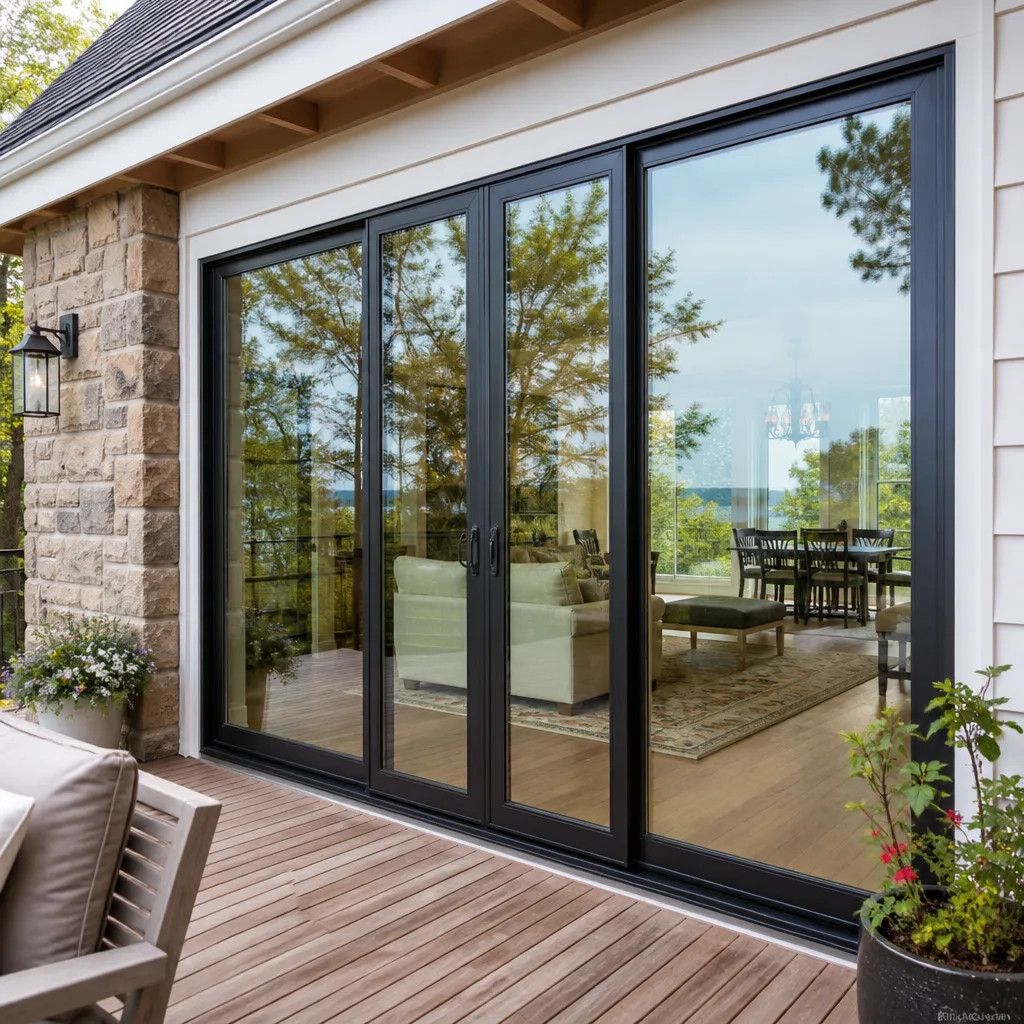 Sliding glass doors
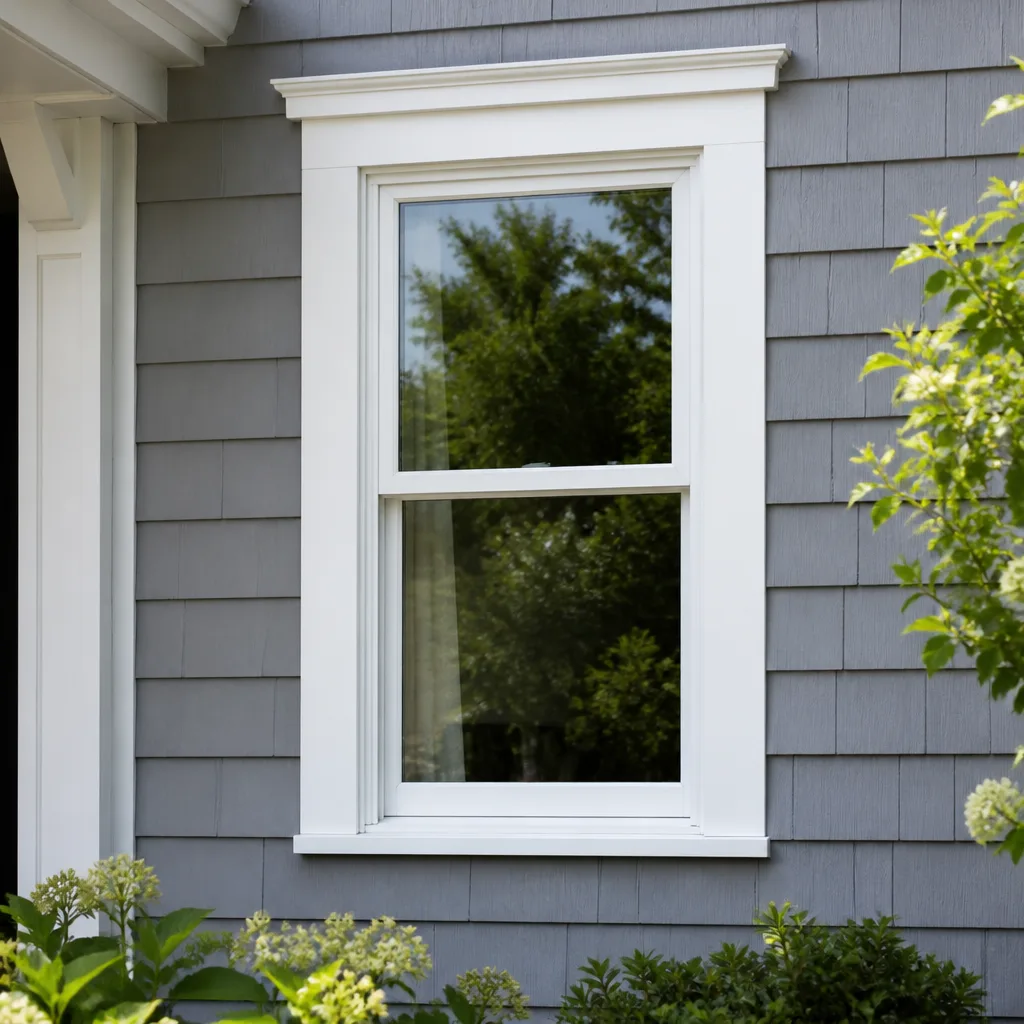 Single hung
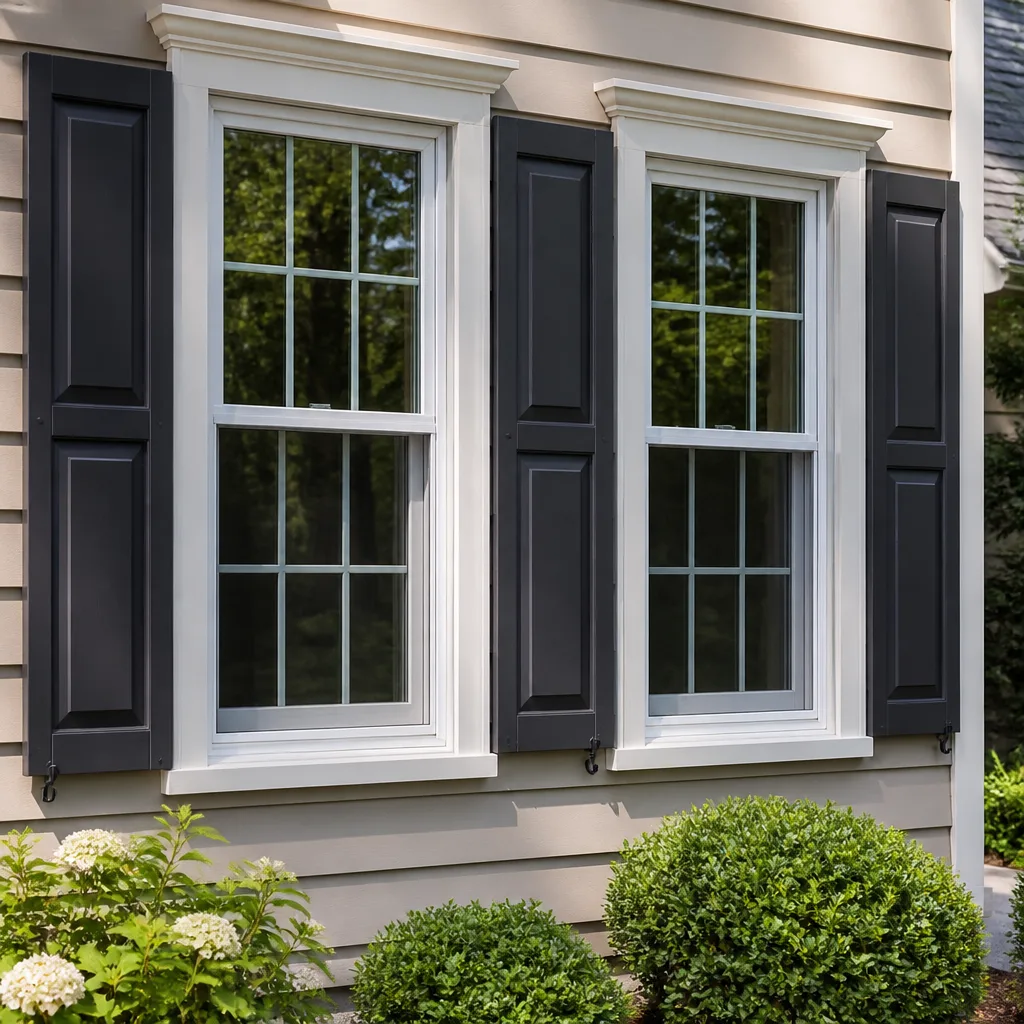 Double hung
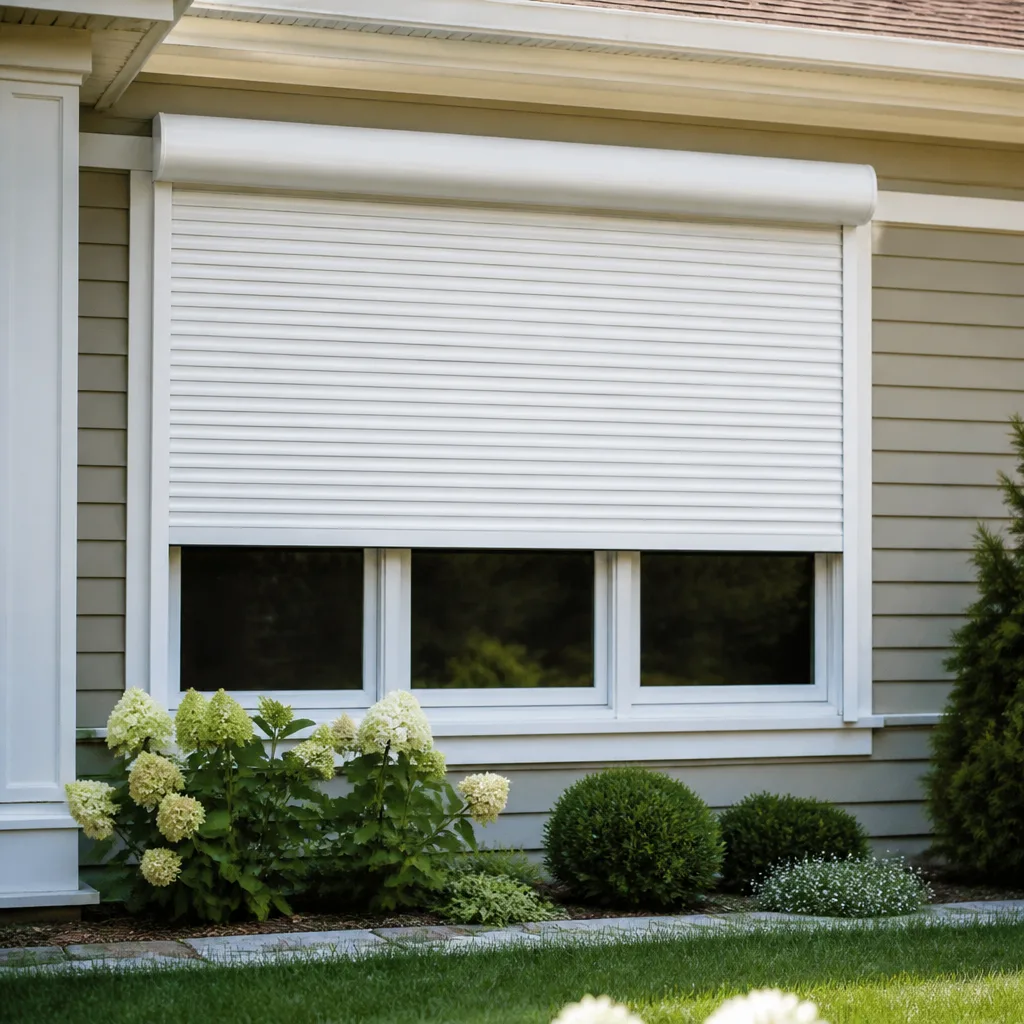 Horizontal roller
 Casement
 Bay & bow
 Entry doors
 Impact garage doors
 PGT
 CGI
Free in-home measure and quote - PGT, CGI and CWS impact lines compared on your actual openings, style by style
Get your free estimateSeasonal Windows & Doors Care for Kent: Year-Round Homeowner’s Guide
Most advice about window and door maintenance treats the year as one long checklist, and that’s the problem. Kent’s four seasons don’t put the same kind of stress on your units, so a single “annual checkup” tends to miss whatever the current season is actually doing to them. The moisture that drives frame and seal damage builds through fall, the cold reveals whether your insulated glass is still sealed, spring movement works on wood and fiberglass doors, and summer sun quietly ages vinyl on the south and west walls. This guide breaks the year into four jobs and tells you what to look at in Kent, when, and why. You’ll also get product-specific intervals by brand and a clear line on what you can check yourself and what belongs with a specialist.
Quick Answer
Care for windows and doors in Kent is best handled in four seasonal passes rather than once a year: inspect seals, thresholds and weep holes in fall before the rains settle in, watch for condensation and drafts in winter, adjust hinges and hardware in spring as frames move, and check for UV wear, screen damage and track wear in summer. Each season catches a different failure mode, and missing one lets damage build until it shows up as fogged glass, a sticky door or a draft you can’t close off.
Styles & brands we work with
- Single hung
- Double hung
- Horizontal roller
- Casement
- Bay & bow
- Sliding glass doors
- Entry doors
- Impact garage doors
- PGT
- CGI
Table of Contents
- Fall (September – October): What to Inspect Before the Rains
- Winter (November – February): Reading Condensation Correctly
- Spring (March – May): Managing Swelling and Hardware Movement
- Summer (June – August): UV, Screens and Track Wear
- Product-Specific Care Intervals by Brand
- A Printable Seasonal Checklist
- When Seasonal Care Isn’t the Answer
- Why a Windows-and-Doors Specialist Matters
Fall (September – October): What to Inspect Before the Rains
The most useful window and door work in Kent happens before the wet season, not during it. By the time the rain is falling sideways against the glass, most of the vulnerable points have already had weeks to take on water. A fall pass is about finding the small openings before they become wet framing.
Sealant lap joints
Run a hand along the exterior perimeter of every window and door and look at where one bead of sealant overlaps another. Lap joints are where sealant tends to separate first, because the overlap is thin and gets worked by temperature swings. Any gap, lifting edge or crack is a place water can get behind the frame. On Kent’s older homes, the joint between the original wood casing and newer trim is a common weak point.
Door threshold compression
Open each exterior door and look straight down at the threshold and the door sweep. The sweep should compress against the threshold along its whole length. If there’s daylight under one end, or the sweep looks flattened, water can pool on the threshold and work its way in. Also check that the threshold itself hasn’t settled away from the door frame.
Weep hole status
Weep holes at the bottom of window frames let water drain out that gets behind the glass or into the sill. If they’re plugged with dirt, paint or sealant, water sits inside the frame instead of leaving. Check each one and clear debris gently; never seal a weep hole thinking you’re stopping a draft.
- Walk the full exterior and note every window and door.
- Check sealant lap joints and mark any lifting or cracked edges.
- Open and close each exterior door, watching the sweep compression.
- Clear and confirm every weep hole drains.
- Look at the wood or fiberglass at the base of door frames for soft spots.
- Book a specialist for anything you can’t safely reach or resolve.
Fixing a small sealant gap in October is straightforward. Chasing water damage that started in October by the following February is not, and it often shows up as a swollen door or a soft frame rather than an obvious puddle.
Winter (November – February): Reading Condensation Correctly
Condensation on the inside of glass in winter is normal in Kent. Condensation between the panes of a double- or triple-glazed unit is not, and the difference matters. One is a sign that your indoor humidity meets cold glass. The other is a sign the insulated glass seal has failed, and no amount of wiping will fix it.
Normal cold-weather condensation
When warm, moist indoor air meets cold glass, water beads on the room-side surface. It shows up most on the coldest mornings and tends to clear as the day warms or as you ventilate. Running bathroom fans and kitchen exhaust, and keeping indoor humidity reasonable, reduces it. On Kent’s typical winter days this is ordinary behavior, not a fault.
Failed insulated glass seal condensation
If the fogging or water droplets sit between the layers of glass, and the pane looks hazy from certain angles, the sealed unit has lost its gas or moisture barrier. That’s a failure of the insulated glass, not the frame, and the fix is a new glazed unit rather than a cleaning routine. Insulated glass seal failures are common on older units and become more visible in cold weather, which is why winter is when homeowners notice them.
- On the room side of the glass: usually a humidity and ventilation matter.
- Between the panes: a sign the sealed unit has failed.
- A permanent haze or cloudiness: failed seal, visible in any season.
- Water pooling on the sill: check the frame and weep holes too.
Winter is also when drafts become obvious. Hold a hand near the frame edges and hinges on a cold, windy day. A draft at the hinge side often points to weatherstripping or hardware rather than the glass itself. If a door or window has been drafty for several winters, it’s worth a proper assessment rather than another layer of weatherstripping, and that’s the point where window replacement is the realistic answer.
Spring (March – May): Managing Swelling and Hardware Movement
Spring is when frames that sat tight all winter start to move. As temperatures climb and indoor and outdoor humidity shift, wood-clad and fiberglass doors especially can swell slightly in their openings, and hardware that was adjusted in fall may need another look. The goal is to catch hardware drift before summer heat sets a bad alignment into the frame.
Door swelling patterns
Wood-clad and fiberglass doors are the ones most likely to change fit season to season. A door that rubs at the top or catches at the latch in spring is showing you where the frame has moved. On fiberglass entry doors, the slab itself is stable, but the frame and the hinge side can shift as the surrounding structure responds to moisture and temperature. Therma-Tru entry doors, which we install, are engineered for dimensional stability, but the opening around them still moves with the season.
Adjusting hinges and strikes
Small adjustments make a real difference. Loose hinge screws can be tightened, and a strike plate can often be nudged to stop a latch from catching. These are minor jobs, but getting them done in spring means the door isn’t forced all summer, which is how frames get permanently out of alignment.
- Open and close every exterior door slowly and listen for rubbing.
- Look for a uniform gap around the door slab; uneven gaps mean the frame has moved.
- Check hinge screws for looseness and strike plates for alignment.
- Confirm weatherstripping along the sides and top is intact and compressing.
- Have a specialist look at any door that stays out of alignment after small adjustments.
Spring is also a sensible time to inspect sliding doors, since you’re likely to start using them again. A sliding door that’s hard to move now will get harder once summer heat expands the track and rollers. If the movement issue is significant, the better long-term answer is often door replacement with a modern sliding or entry unit rather than repeated track adjustments.
Summer (June – August): UV, Screens and Track Wear
Kent’s summers put the most sun stress on south- and west-facing units. That’s where vinyl frames and glass take the most direct UV exposure, screens collect grit and pollen, and sliding door tracks dry out and wear faster. Summer is when you do the inspection most homeowners never do, because there’s no leak or draft prompting it.
UV degradation on south- and west-facing vinyl frames
Look closely at the frame surfaces on the sun-facing walls. Vinyl can chalk, dull or develop a slightly rough texture over time under sustained UV, and the color can fade faster there than on shaded units. Check the corners and the sill area where the frame meets the wall. Significantly chalky or cracking vinyl is worth a professional opinion, especially on units that have been sun-exposed for many years.
Screen condition
A screen with a bent frame can allow insects in and can put pressure on the window frame when the wind pushes it. Look for pulled fabric, bent corners or loose spline. Screens are easy to replace and worth doing quickly, since a torn screen also means the window is unprotected from debris and insects all summer.
Sliding door track wear from dry operation
Keep the sliding door track reasonably clean during summer, since grit in an unlubricated track abrades the rollers faster. Avoid heavy oils that attract dirt; a light, appropriate lubricant for the track material is enough. If the door still drags after cleaning and lubrication, the rollers may be worn, and the fix is often new rollers or, on an older door, a replacement unit that suits the opening better.
- Frame check: inspect chalky or faded vinyl on south- and west-facing walls.
- Glass check: confirm no cloudiness or haze developed over winter.
- Screen check: look for tears, bent frames or loose spline.
- Track check: clean grit, use a suitable light lubricant.
- Door check: confirm smooth operation and even alignment.
Summer is the right season to plan a replacement too. With the busiest weather behind you, it’s easy to get an unhurried assessment of every opening and compare actual product options for each one. Choosing the right window installation approach now means the work is planned rather than rushed.
Product-Specific Care Intervals by Brand
Not every window and door system ages the same way, and the care intervals differ by product line. Here’s how we’d think about the major types home by home, using the brands we install.
Milgard, Andersen and Pella
These are three of the names Kent homeowners ask about most, and each has a slightly different profile. Milgard’s vinyl and fiberglass lines are low-maintenance, with care mostly about cleaning tracks and checking weatherstripping; a spring and fall pass is usually enough. Andersen offers a mix of wood-centered and composite products, and wood elements need a closer annual look at seals and painted surfaces, especially before the wet season. Pella’s fiberglass and wood lines reward a spring adjustment of any operable hardware and a fall review of exterior sealant. None of these need monthly attention; the seasonal passes in this guide cover them.
PGT, CGI and ECO Window Systems
These product lines include impact-rated and energy-efficient options, and the care focus follows the glass. Insulated glass needs a winter check for seal failure, and the frames are cleaned and inspected in fall and summer. PGT and CGI units, like any good-quality vinyl or aluminum product, mainly need exterior sealant attention in fall and track cleaning in summer. ECO Window Systems lines suit homeowners targeting efficiency, which makes the winter condensation check especially useful, since a genuine seal failure is worth catching early.
Therma-Tru, ViewLux and Mr-Glass
Therma-Tru entry doors should be checked in spring for frame and hardware alignment and in fall for the threshold compression and sweep condition described earlier. ViewLux and Mr-Glass products follow the same glass and frame rules as the others. Regardless of brand, the seasonal tasks are the same four passes; what changes is which percentage of the product is glass, which is wood, and which is hardware.
- Vinyl and fiberglass frames: clean and inspect in spring and fall; watch for UV chalk in summer.
- Wood-centered products: closest attention to exterior seals in fall, hardware in spring.
- Insulated glass: winter check for seal failure; anything between the panes is a glazing job.
- Entry and sliding doors: threshold and sweep in fall, hardware and alignment in spring, tracks in summer.
A Printable Seasonal Checklist
Here’s the whole year in one place. Use this as your reference and tick items off as each season arrives in Kent.
- Fall (September – October): check sealant lap joints; verify door threshold compression and sweeps; clear and confirm weep holes; check the base of every exterior frame.
- Winter (November – February): distinguish room-side condensation from between-pane fogging; note any clouded glass; draft-check hinges and frames on cold days.
- Spring (March – May): confirm even gaps around door slabs; tighten hinges; check strike plates; confirm weatherstripping; test sliding doors for ease of movement.
- Summer (June – August): inspect sun-facing vinyl for chalking or fading; check screens for tears and bent frames; clean and lubricate sliding door tracks; confirm glazing looks clear.
Two seasonal tasks matter more than the others in Kent: the fall moisture inspection and the winter condensation check. Fall because the wet season does most of the frame and seal work, and winter because a seal failure hides until the cold brings it out.
When Seasonal Care Isn’t the Answer
Some problems aren’t maintenance problems. If any of the following shows up, seasonal care won’t fix it and a replacement assessment is the right move.
- Persistent between-pane fogging: the insulated glass has failed.
- Recurring drafts after weatherstripping: the frame or its fit has deteriorated.
- A door that won’t line up after hardware adjustment: the frame or rough opening has moved.
- Soft or swollen wood around a frame: moisture has reached the framing.
- Sun-facing vinyl that has cracked, not just faded: UV degradation has gone structural.
- Sliding doors that drag despite clean tracks: rollers or track have worn out.
When replacement is the answer, it’s worth doing every opening that needs it in one project rather than piecemeal. Our specialist focus means the work is windows and doors only, and you’re never dealing with a general contractor who has other priorities. Your written estimate is itemized line by line, with fixed pricing and no change orders, and any permits the project needs are pulled and inspected. The local pro carrying out the work is licensed and insured as their state requires.
Why a Windows-and-Doors Specialist Matters
Annual care usually starts as a small question and ends up about product choices, and that’s where the wrong installer costs you. We install eight brands, from impact-rated to energy-efficient lines, so the right product for your opening comes from fit and performance rather than from whatever a single supplier happens to stock. That includes PGT, CGI and other performance lines, plus Therma-Tru and ViewLux on the door side. Entry door to sliding glass door, one installer can handle every opening.
Homeowners who are calling us to schedule care often discover halfway through that the real issue is a product approaching the end of its life, and being able to compare brands in one place makes that decision far easier. Our technicians have up to 9 years of experience, and because every job we take is a window or door job, you get undivided expertise rather than the window-and-door part of a much larger project. The windows and doors specialist focus keeps the diagnosis and the product recommendation on the same track, which matters for a set of four seasonal passes that only works if someone is actually looking at the unit. We keep it simple: free estimates, written line-item quotes, permits pulled where needed, and a workmanship warranty on our work.
Common Mistakes to Avoid
- Winterizing in November. The wet buildup is already underway by then. Fall inspections belong in September, before the rain settles in.
- Sealing a weep hole. People often fill one to stop a draft, but it’s the drainage point for the sill. Closing it traps water where it does the most damage.
- Wiping between-pane fog. If the condensation is inside the unit, the seal has failed. Cleaning the glass won’t change it.
- Ignoring a barely-swollen door. Small spring movement is easy to adjust now, but forcing a door all summer can move the frame permanently.
- Skipping the summer sun check. Chalky or cracked vinyl on south-facing walls usually has no obvious warning until it’s serious.
- Letting a sliding door drag. A dry or gritty track will keep wearing the rollers every time the door moves; clean it before the wear escalates.
- Assuming a summer inspection is unnecessary because the door works. A door that closes without a problem can still have frame sealant failing underneath.
See the difference
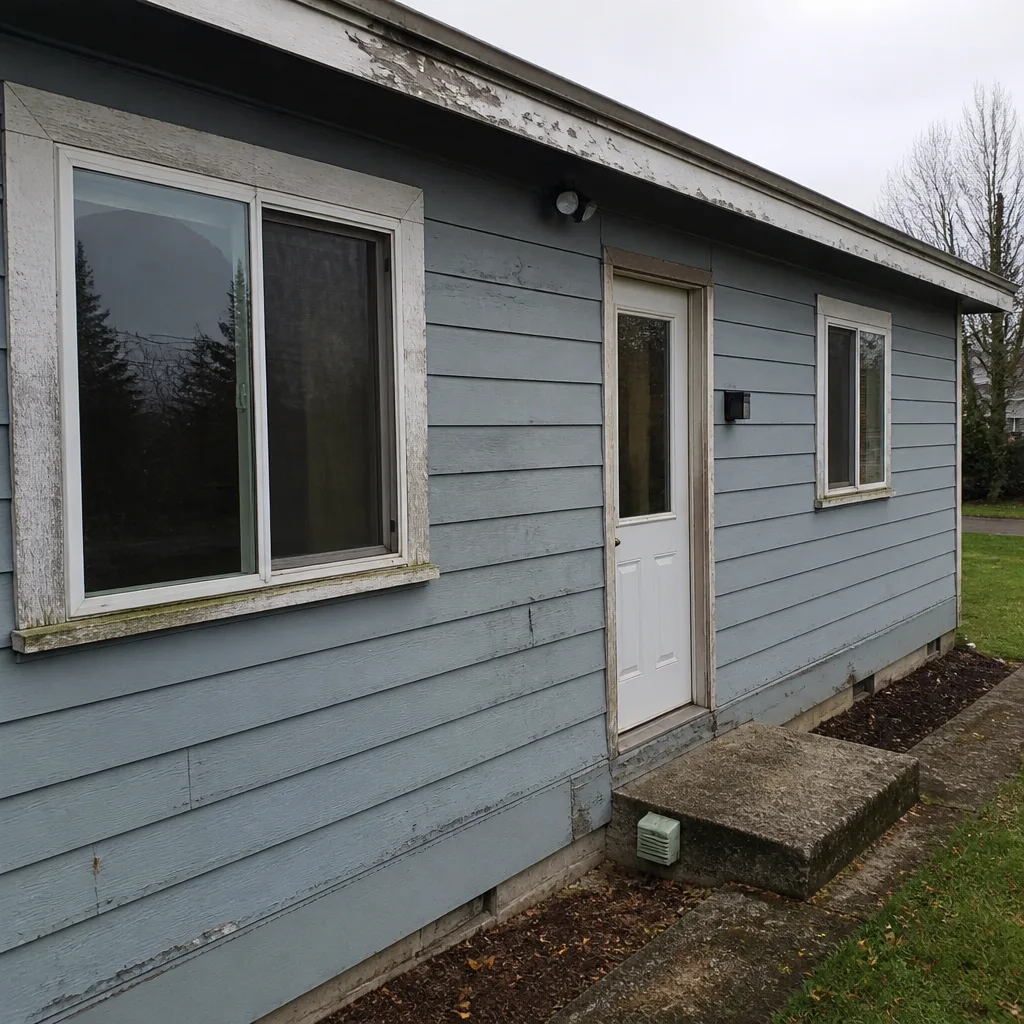 Before
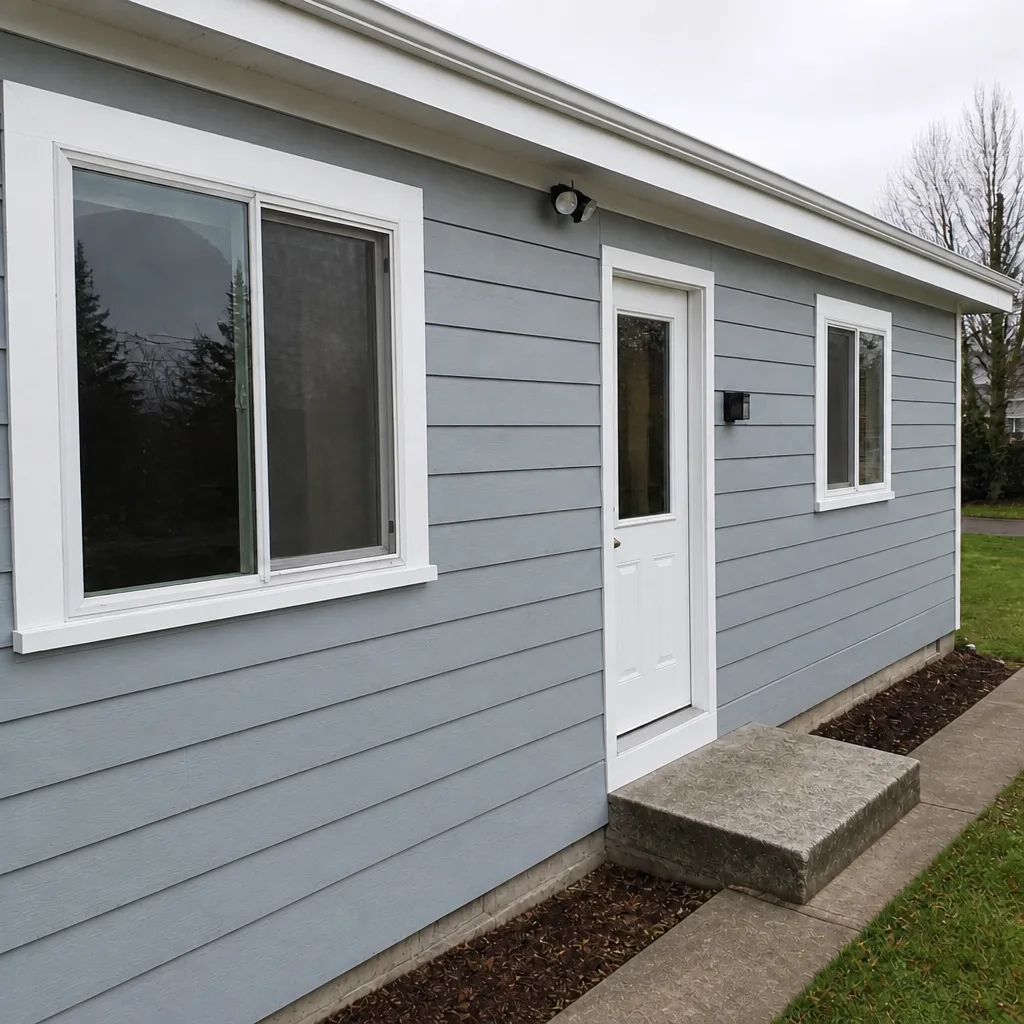 After
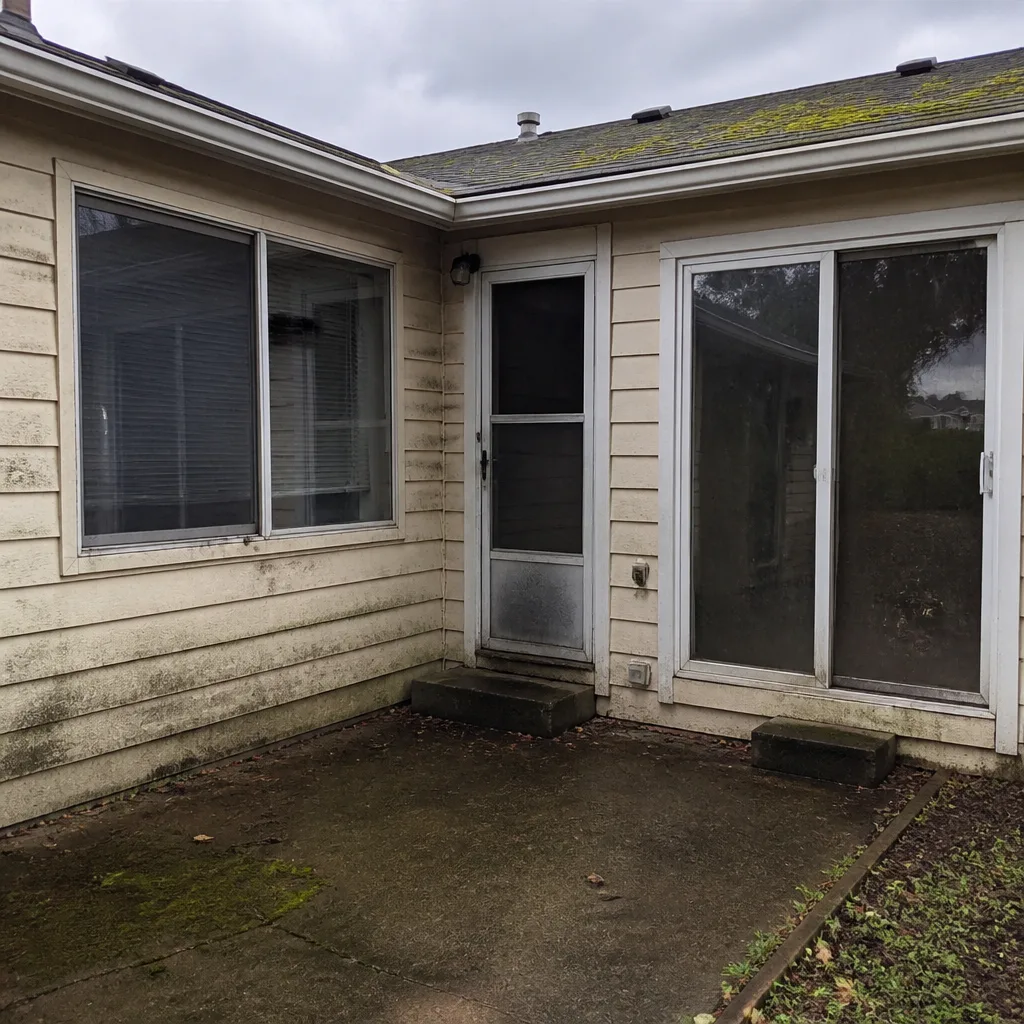 Before
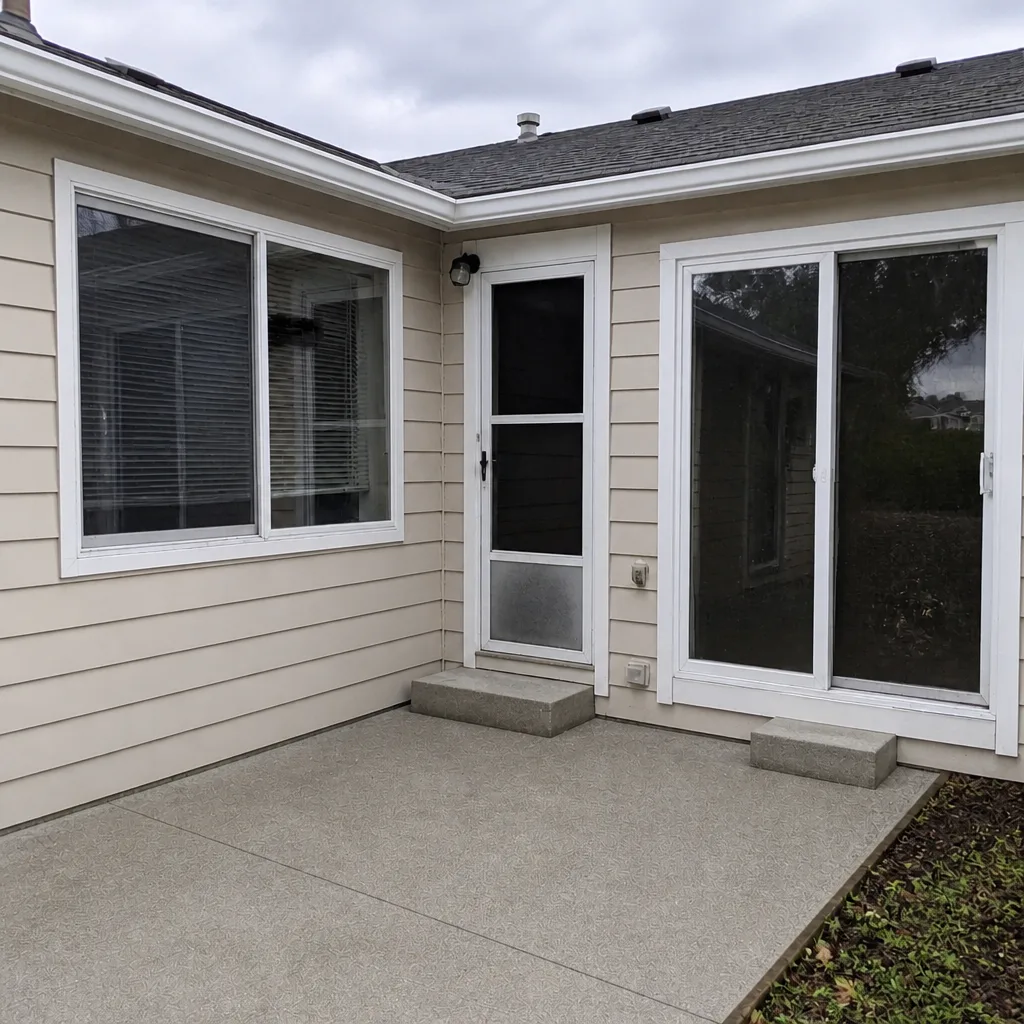 After
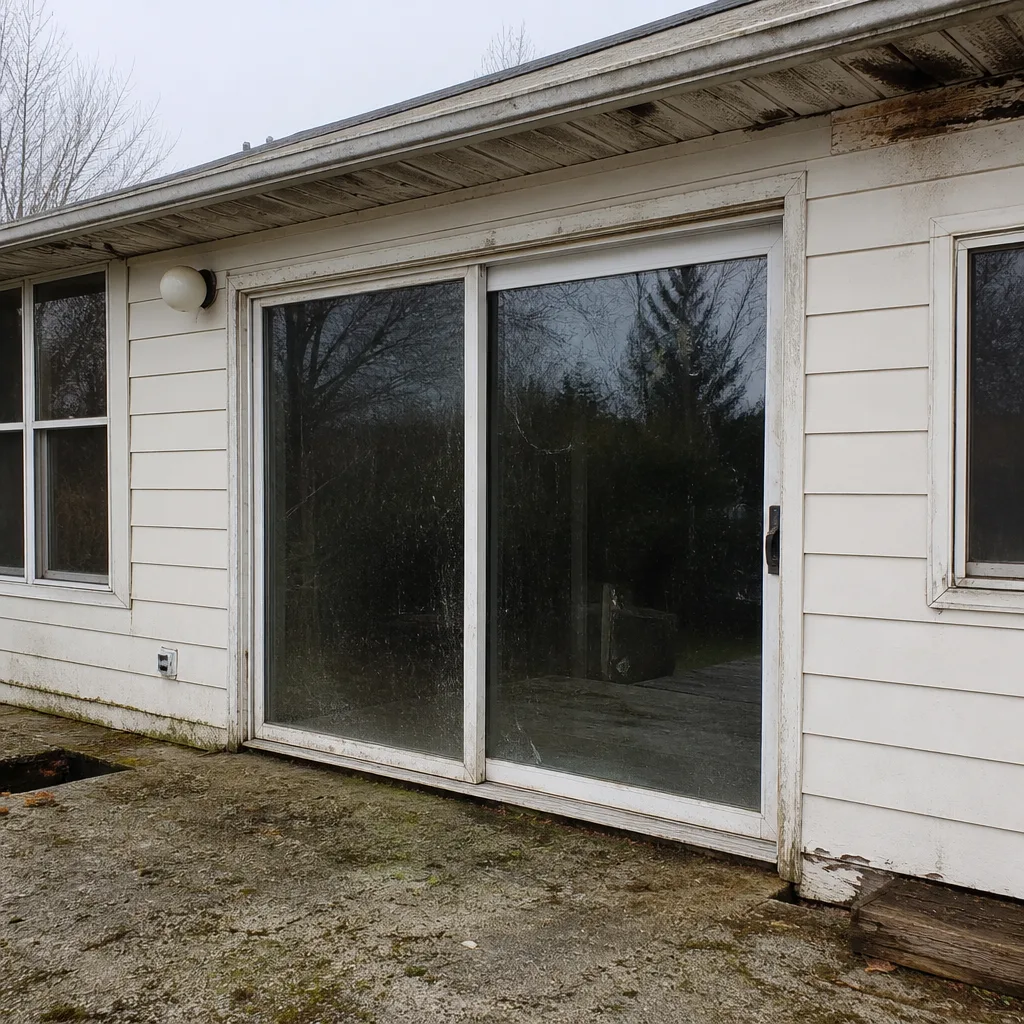 Before
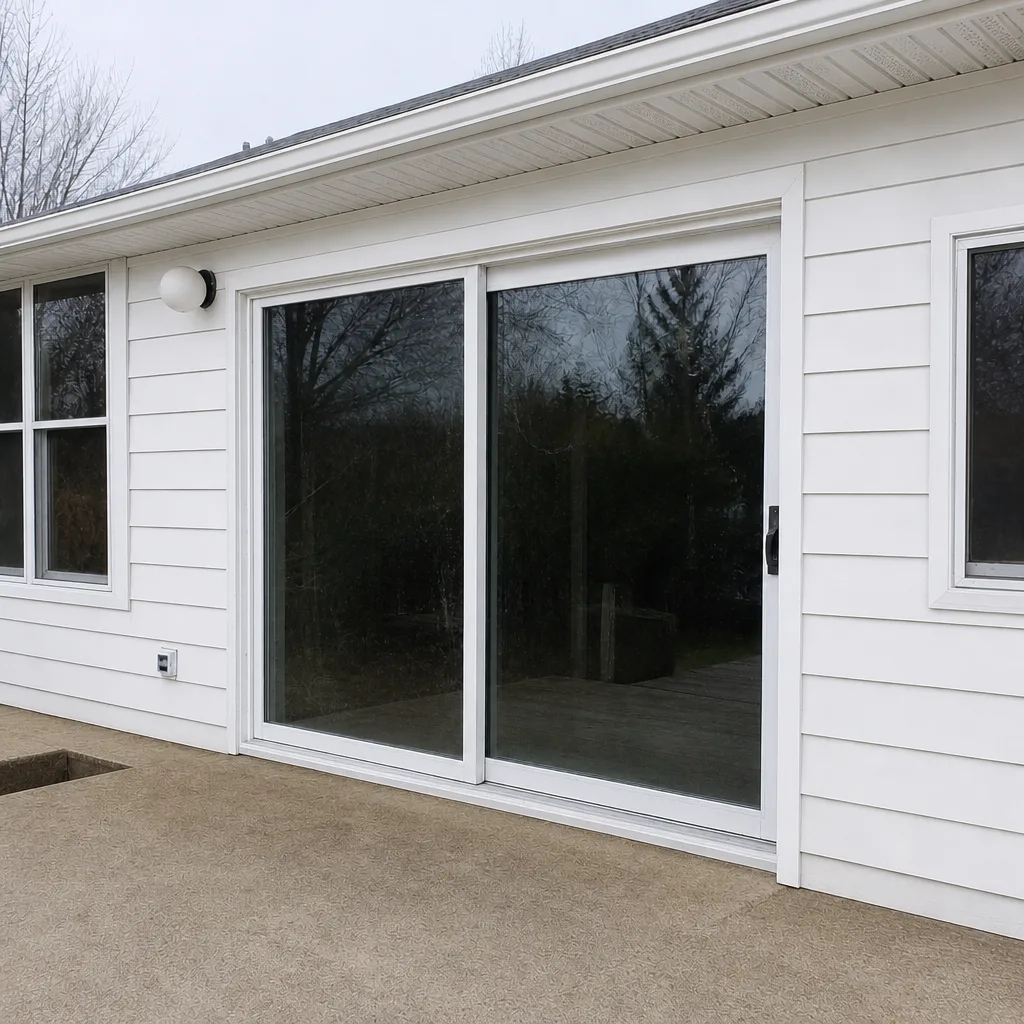 After
When to Call a Professional
Call a specialist when the issue is beyond a careful look. Obvious triggers are condensation between panes, clouded or hazy glass, drafts that return after weatherstripping, a door that stays out of alignment after small hardware adjustment, soft or swollen wood around a frame, and a sliding door that resists even with a clean track. Also call if the exposed vinyl is cracking rather than just faded, or if the leak shows up more than once during the season, since ongoing moisture needs a real diagnosis of the frame and its connection to the wall.
Window Replacement Kent offers free estimates in Kent. The assessment covers every opening you’re concerned about, and the estimate is a written line-item quote with fixed pricing. Call (253) 480-6913 to schedule your free estimate. For a job that involves replacing or installing windows and doors, we take projects with three openings or more.
Frequently Asked Questions
Four times a year, once per season. Fall and winter checks catch moisture and seal problems, and spring and summer checks catch hardware movement and UV wear. A single annual check tends to miss one or more of these in Kent’s climate.
Only if it’s between the panes. Room-side condensation is normal when cold glass meets humid indoor air. Condensation or fogging between the glass layers means the insulated glass seal has failed, and that needs a glazing or replacement assessment. Call (253) 480-6913 to schedule a free estimate and have it checked.
Sometimes, for a short time. Weatherstripping is a stopgap; a draft that keeps returning across several winters usually means the frame or its fit has deteriorated. At that point a proper replacement assessment is more useful than another round of patching.
Spring temperature and humidity shifts move frames. Wood-clad and fiberglass doors can swell or shift slightly in the opening, and hardware can drift out of alignment. Tightening hinges and nudging the strike plate often restores the fit; if it doesn’t, the frame needs a specialist look. Call (253) 480-6913 for a free estimate.
Yes, and it’s the most frequently skipped seasonal task. South and west walls get the most direct UV, and vinyl frames can chalk or fade there first. Cracking rather than fading is the point where it’s worth a professional opinion.
Clean the track first and remove grit, then confirm the door moves freely. If it still drags, the rollers or the track have worn. That’s often the sign that a replacement sliding door will suit the opening better. Call (253) 480-6913 to arrange a free estimate.
The Bottom Line
Windows and doors in Kent don’t need one big annual checkup, they need four small, targeted ones. Fall is about sealing and draining before the rain arrives. Winter is about telling room-side condensation from a failed insulated glass seal. Spring is about hardware and frame movement as doors swell and settle. Summer is about UV, screens and sliding tracks on the sun-facing and high-use units. Each pass catches a failure mode the others miss, and together they give you more years from every opening. Skip one and the damage runs quietly until it’s a replacement. With an itemized estimate and a free assessment, calling (253) 480-6913 is the simplest way to find out where your units actually stand.
Written by the team at Window Replacement Kent.