Last updated November 25, 2026
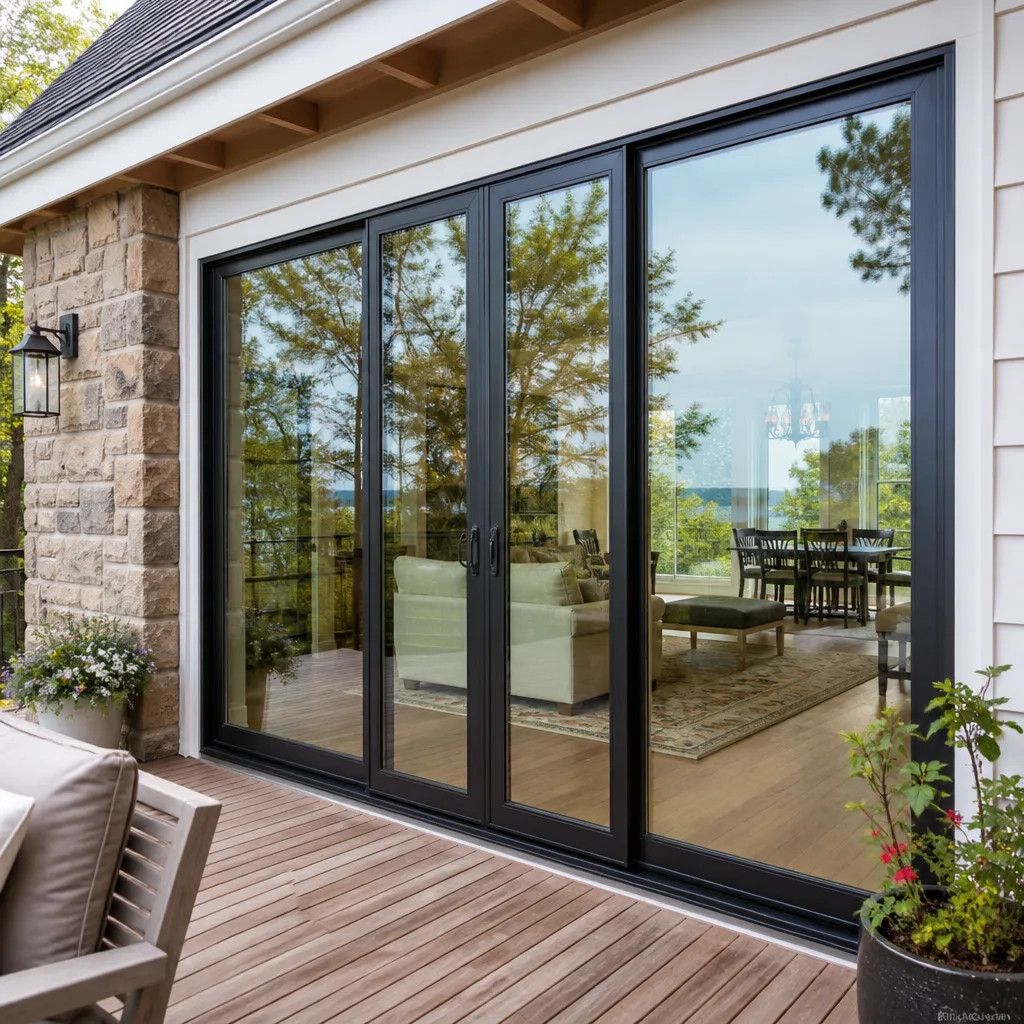 Sliding glass doors
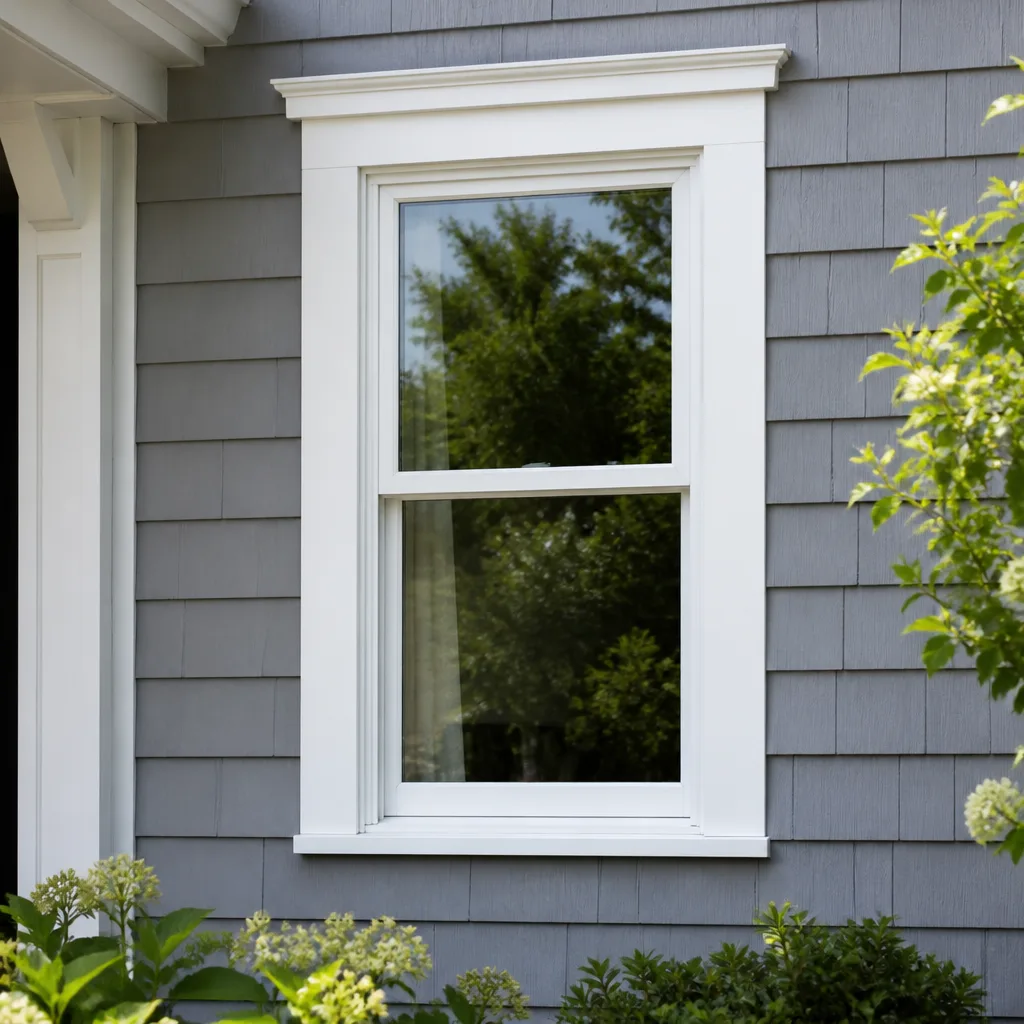 Single hung
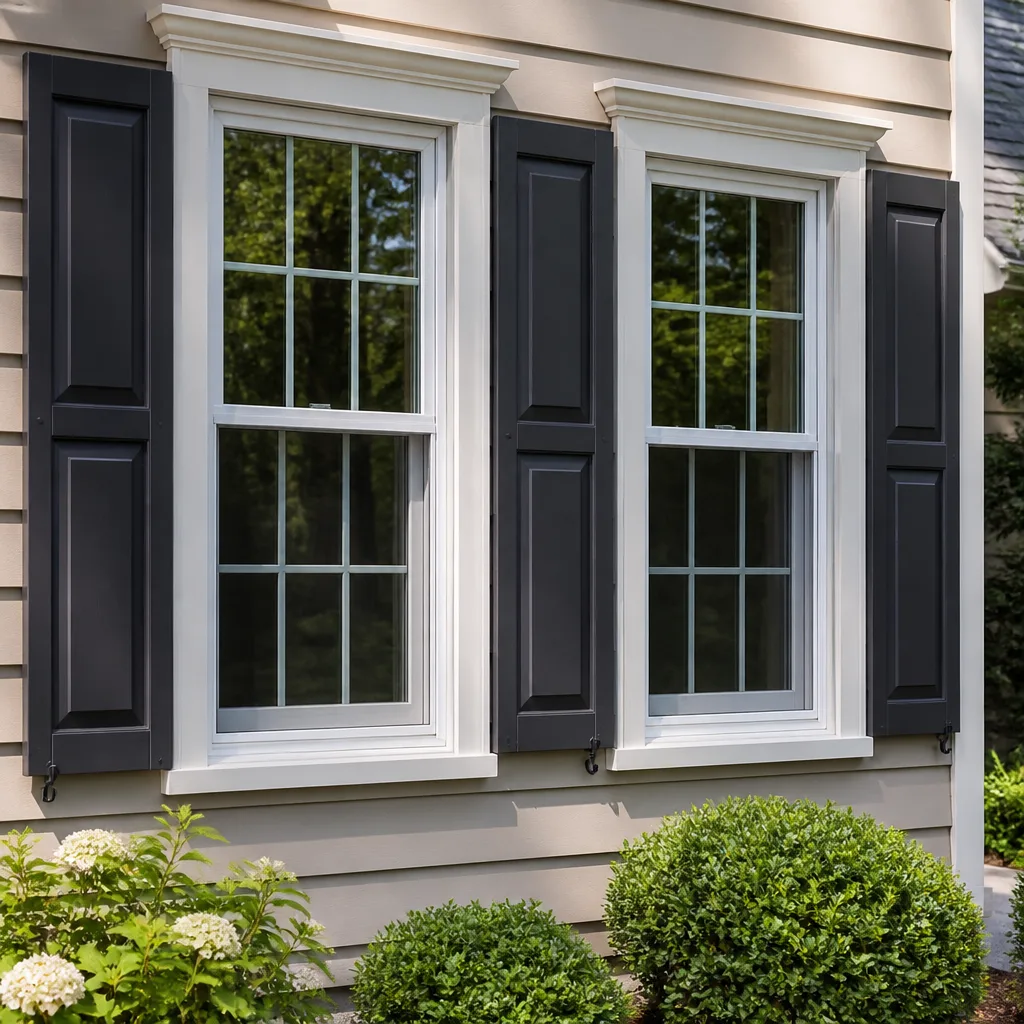 Double hung
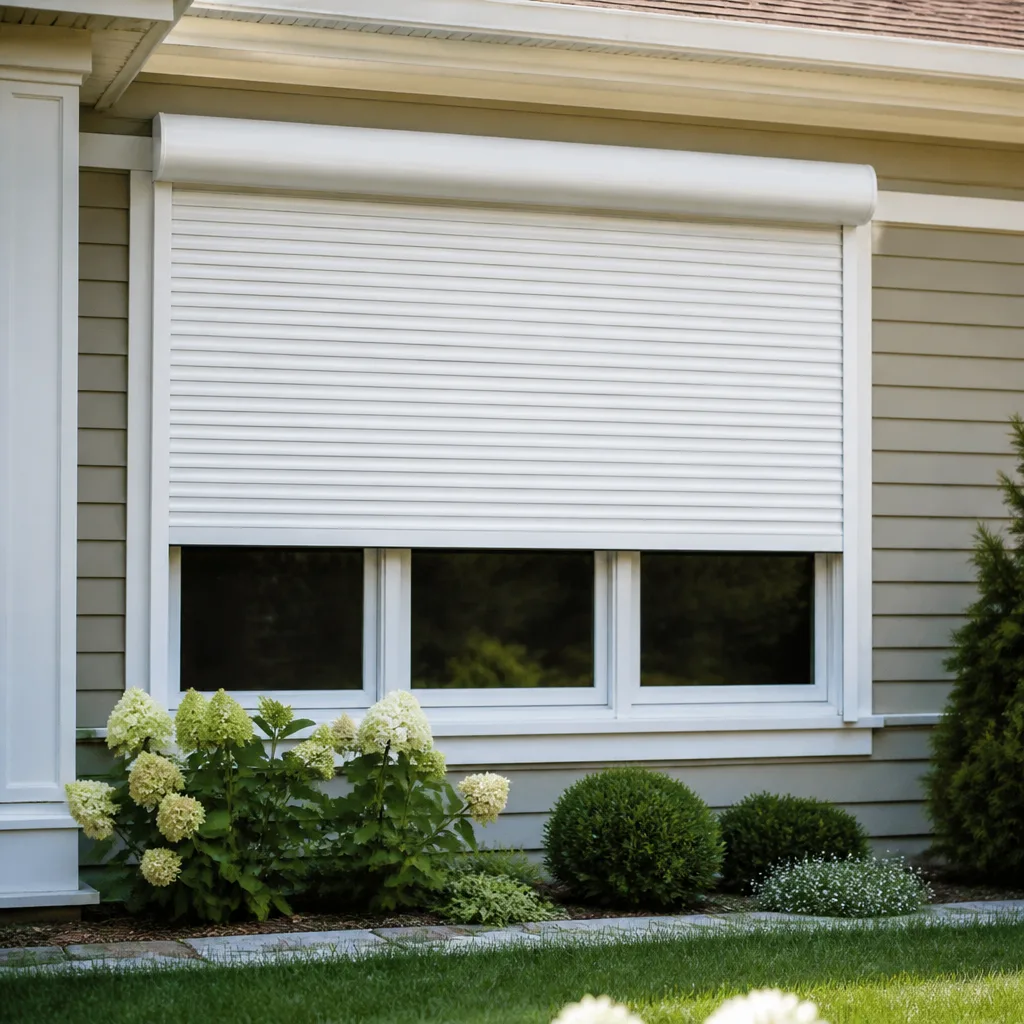 Horizontal roller
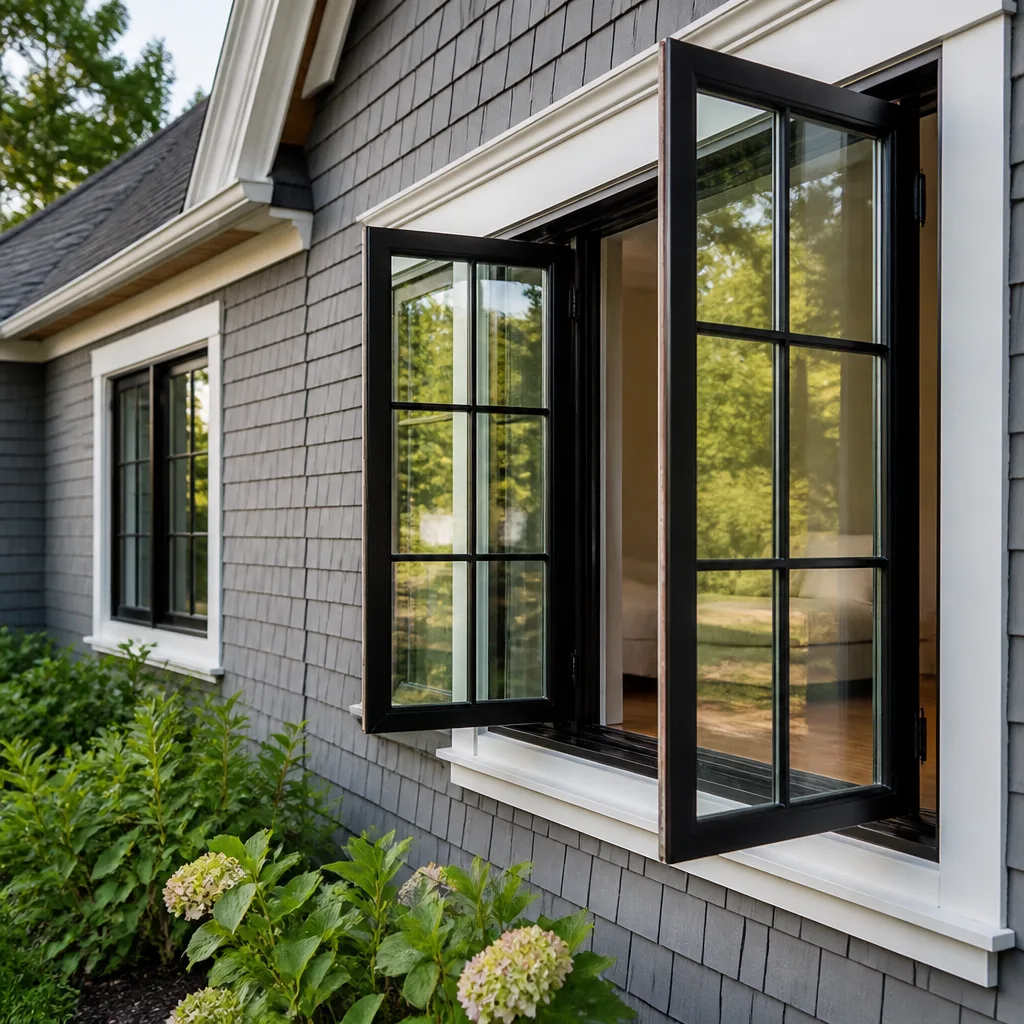 Casement
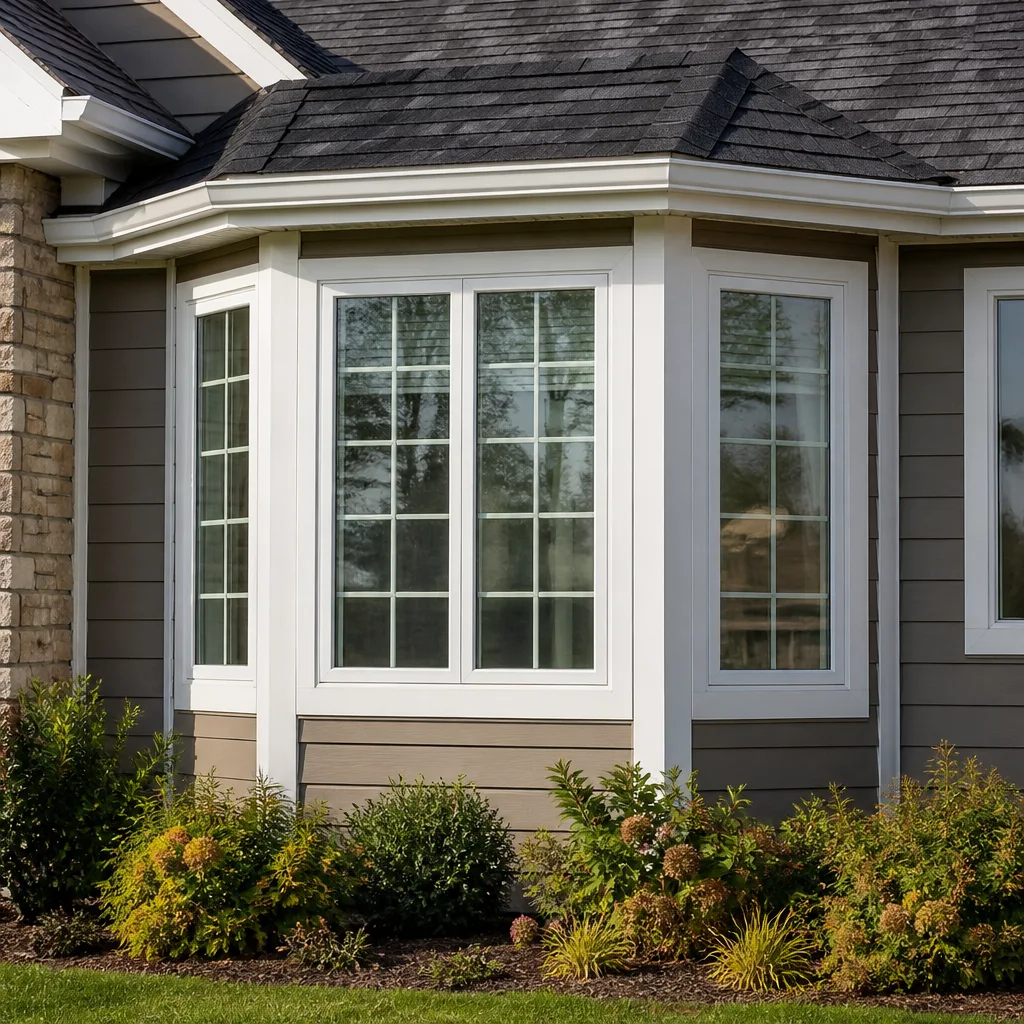 Bay & bow
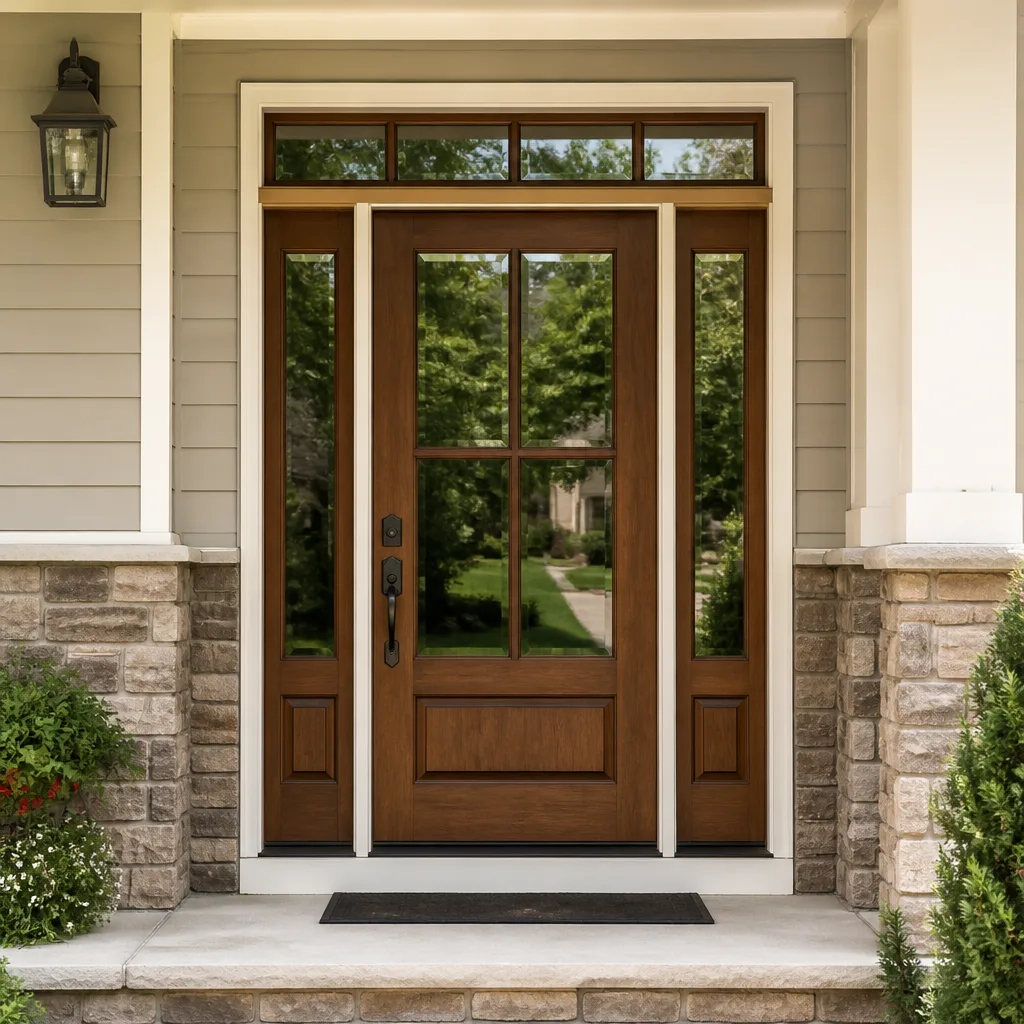 Entry doors
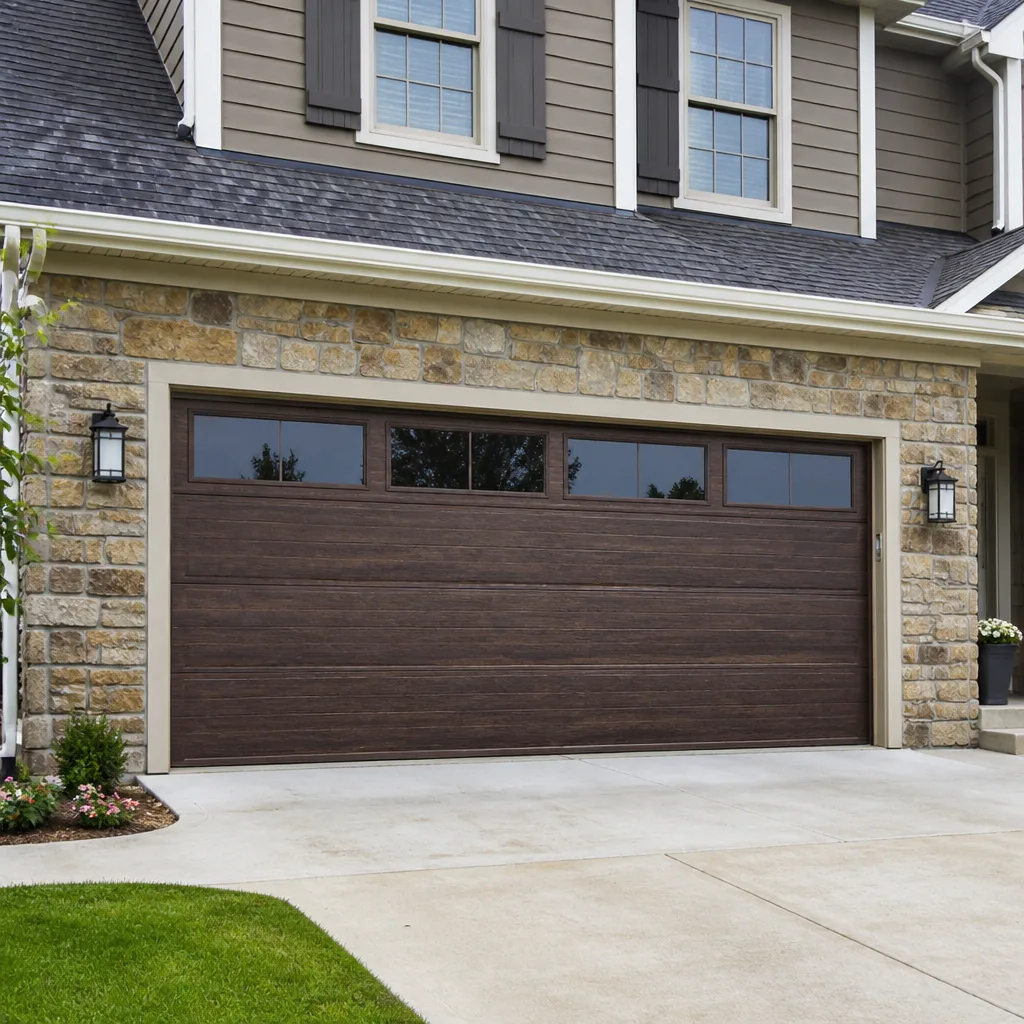 Impact garage doors
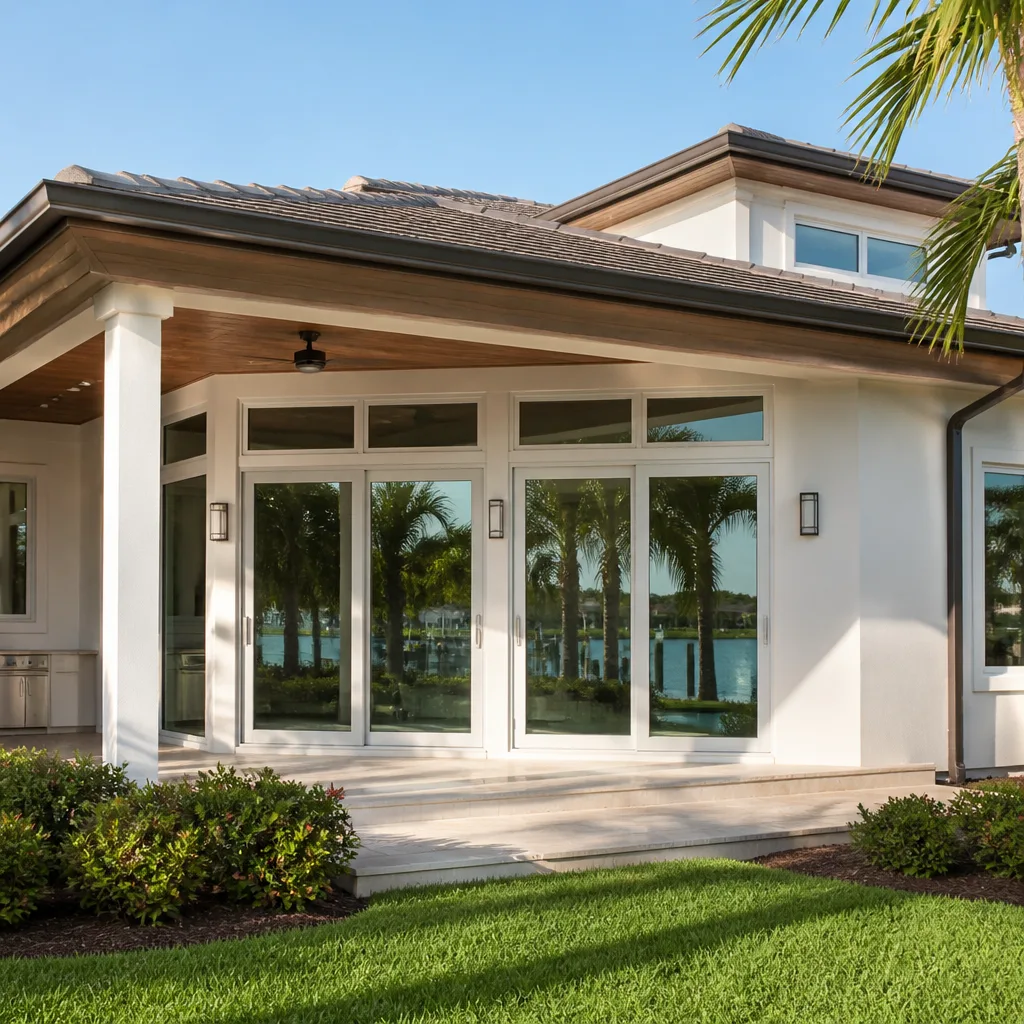 PGT
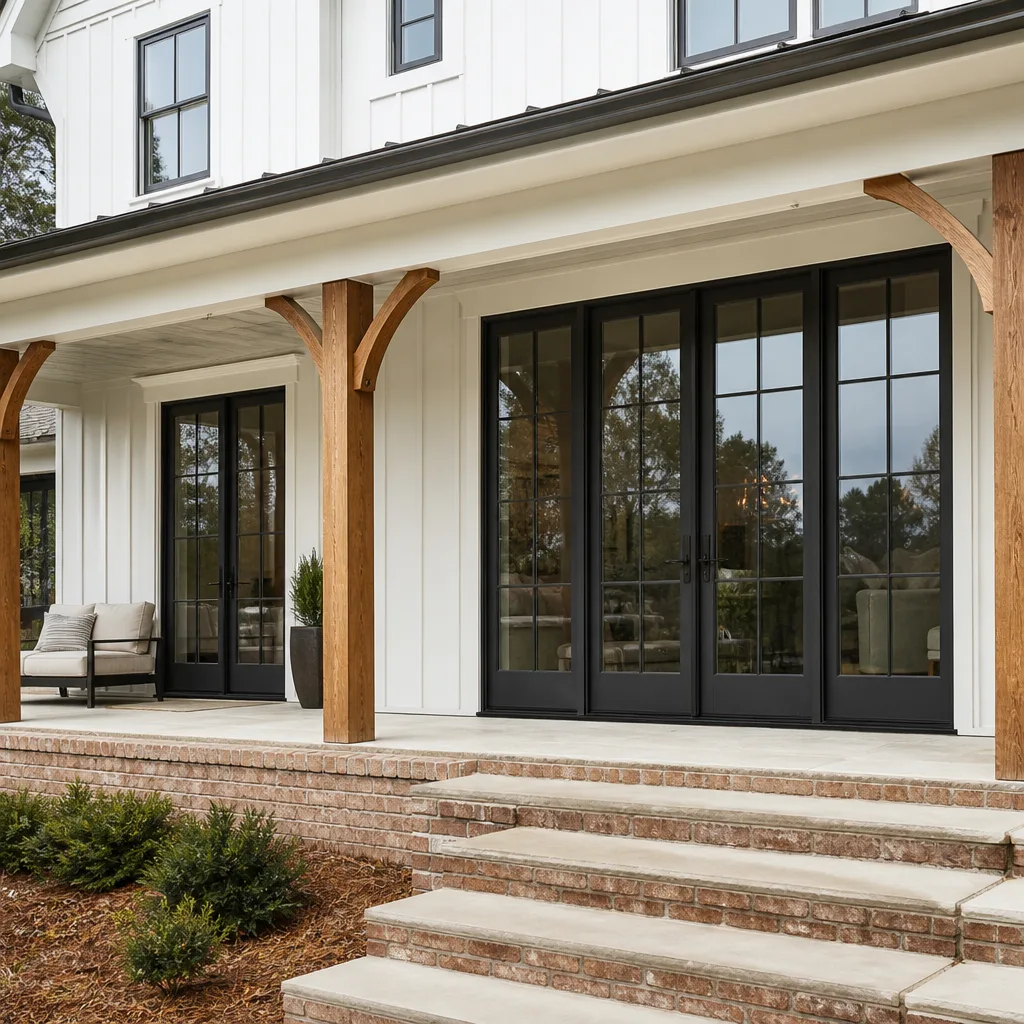 CGI
Free in-home measure and quote - PGT, CGI and CWS impact lines compared on your actual openings, style by style
Get your free estimateWindows & Doors Permits, Codes & Inspections in Kent, WA: What You Need to Know
Most homeowners in Kent assume a permit is always required for window replacement, so they either skip it out of confusion or overpay a contractor to chase one down. The truth runs the other way: a single like-for-like window swap is often exempt, while the second window in the same permit year, or a door that changes the opening, pulls you straight into Washington State Energy Code territory. This guide walks through the actual thresholds, tells you how to find out which jurisdiction covers your parcel, and explains what a Kent inspector checks at rough-in versus final. Everything here is written so you can walk into your own project knowing exactly which rules apply.
Quick Answer
In Kent, a same-size, same-configuration window replacement is typically permit-exempt, but replacing a door, enlarging an opening, or replacing multiple windows in one year usually requires a permit and documented compliance with the Washington State Energy Code. Your parcel may fall under City of Kent or unincorporated King County jurisdiction, and that difference decides which office you apply to and which inspection path you follow.
Styles & brands we work with
- Single hung
- Double hung
- Horizontal roller
- Casement
- Bay & bow
- Sliding glass doors
- Entry doors
- Impact garage doors
- PGT
- CGI
Table of Contents
- Which Jurisdiction Covers Your Kent Address?
- Washington State Energy Code: U-Factor and SHGC Minimums
- What the ‘Like-for-Like’ Exemption Actually Covers
- When a Structural Permit Is Triggered
- What a Kent Inspector Checks at Rough-In vs. Final
- HOA Overlays and Aesthetic Restrictions
- The Permit Process, Step by Step
- Common Mistakes to Avoid
Which Jurisdiction Covers Your Kent Address?
This is the single question that trips up more Kent homeowners than any other, because Kent has parcels inside the city limits and parcels that sit in unincorporated King County pockets nearby. The rules differ, including what triggers a permit and who signs off on the inspection.
Before you apply anywhere, identify your parcel. Here is how:
- Look up your parcel on the King County Parcel Viewer and pull the jurisdiction field. If it says “City of Kent,” you’re in city territory. If it says “King County” with an unincorporated designation, you’re outside the city’s permit authority.
- Cross-check your address against the City of Kent’s online mapping tool. Sometimes the parcel viewer and the city GIS disagree at the edges, especially on newer subdivisions.
- Call the permitting counter for whichever authority the maps show. Give them your parcel number and describe the exact scope: window replacement, door replacement, or both.
- Ask them to confirm the exemption threshold for your specific job in writing, even if it’s just an email from the permitting desk. Keep that email with your project file.
The most common confusion comes from plat lines that were redrawn. A home in East Hill that looks like it’s inside the city may be on the county side of the boundary, and vice versa near the valley floor. Don’t assume based on your mailing address alone. Your ZIP code doesn’t decide jurisdiction.
If you’re planning window replacement across a dozen openings and an entry door, confirm jurisdiction before quoting. A contractor who’s used to pulling permits only in one jurisdiction may not know the requirements for your parcel.
Washington State Energy Code: U-Factor and SHGC Minimums
Washington State Energy Code compliance is the piece most online permit guides barely touch, and it’s the piece that matters most for Kent window replacement. When you replace a window that’s not exempt, the new unit has to meet a U-factor and solar heat gain coefficient (SHGC) minimum for our climate zone.
The code is performance-based, meaning you document the product’s rated values rather than the installer’s promise. What does that look like in practice?
- U-factor measures how fast heat escapes. Lower is better. In Western Washington’s climate zone, replacement windows typically need a U-factor around the 0.30 level or better, though the exact threshold depends on which version of the code your jurisdiction has adopted.
- SHGC measures how much solar heat comes through the glass. In our cool, cloudy climate the concern is more about heat loss than solar gain, so the SHGC limit is generally permissive.
- The National Fenestration Rating Council (NFRC) label on each unit is what an inspector or permit reviewer reads. If the label is missing, the unit can’t be documented as compliant, no matter how well it performs.
- Product lines that clear the bar more easily tend to be the energy-efficient programs offered by manufacturers. ECO Window Systems and ES Windows both have product families designed to meet Pacific Northwest energy code without custom specs.
Doors get the same scrutiny. An entry door you install through door replacement has its own U-factor requirement, and Therma-Tru’s insulated door systems are built to hit those numbers with documentation the inspector can verify.
Ask your installer for the NFRC certificate for every unit in the order before the crew arrives. If they can’t produce it, the final inspection can stall.
What the ‘Like-for-Like’ Exemption Actually Covers
The like-for-like exemption is narrower than most homeowners expect. It means the new window matches the old one in size, configuration, location, and operation. It does not mean “any window that fits the hole.”
What stays exempt:
- The same rough opening dimensions, within a small tolerance.
- The same glazing area and the same number of operable sashes.
- The same wall location, with no shift in the opening.
- No change to the header, framing, or structural path above the opening.
What pushes you out of the exemption:
- Changing the rough opening by even a few inches.
- Switching a picture window to a slider, or a single-hung to a double-hung that requires new framing.
- Adding a transom or changing the height of the opening.
- Replacing more than the exempted number of units in the same permit year. Ask your jurisdiction for their specific count; some allow one like-for-like replacement per year without a permit, others allow more.
- Any door replacement, even a like-for-like swap, because doors are treated separately from windows in most local ordinances.
We’ve seen Kent homeowners get this wrong in the opposite direction: they assume a permit is required for a simple single-window swap and delay the project for weeks. A quick call to the permitting desk settles it. And if you’re planning window installation in a newly constructed addition rather than a replacement, the exemption never applies. New openings always require a permit.
When a Structural Permit Is Triggered
Structural permits enter the conversation when the job touches load-bearing framing. In Kent’s housing stock, that’s a real concern in mid-century homes where the header over a wide window may be doing more work than it looks like.
Structural review is triggered when:
- The opening enlarges. Any time the rough opening gets wider or taller than the existing framed hole, the header above it may need to be upsized to carry the added span.
- A header is replaced. If the existing header is rotted, undersized for the new window, or needs to be moved, that’s a structural alteration even if the opening stays the same size.
- The window sits within a specific proximity of a load-bearing wall. Removing or altering framing near a bearing wall requires engineering review, because the load path above shifts.
- The door opening changes. Converting a standard entry door to a wider slider or a French door often means enlarging the header and sometimes adding a post.
For an entry door replacement using a Therma-Tru system that fits the existing opening, no structural permit is typically needed. But a sliding door replacement that widens the frame does pull in structural review. If the project needs it, that review is not optional, and skipping it can mean the final inspection fails and the work has to be opened up again.
A specialist who handles windows and doors every day can usually tell you in a single walkthrough whether a structural permit applies. That’s part of what you pay for when you work with a dedicated installer rather than a general remodeling crew.
What a Kent Inspector Checks at Rough-In vs. Final
Two inspections happen on a permitted window or door job, and they check different things. Missing the distinction between them is where projects stall.
Rough-In Inspection
The rough-in happens after the old unit comes out and the new frame is set, but before trim, siding, and interior finishes go back. The inspector is checking:
- That the rough opening matches the approved plans.
- That the flashing and weather barrier are installed correctly at the sill, jambs, and head.
- That the header and structural framing match the permitted plans.
- That the window’s NFRC label documents the U-factor and SHGC the permit application claimed.
- That the installation follows the manufacturer’s written instructions, which most jurisdictions now require.
If anything is out of spec, it has to be corrected before the unit gets closed up. That’s why rough-in exists as a separate inspection: it’s cheaper to fix flashing before the siding goes back.
Final Inspection
The final inspection happens after everything is complete. The inspector checks:
- That the installed units match what was permitted.
- That operation is correct: sashes slide, locks engage, doors open freely.
- That weatherstripping and seals are intact.
- That any required safety glazing (tempered glass near doors, in bathrooms, or in low-sill windows) was installed where required.
- That no unpermitted changes were made between rough-in and final.
For homeowners planning a door replacement, add one more item: the door’s energy rating needs to be documented at final just like a window’s. A manufacturer with NFRC-labeled door systems makes this painless.
HOA Overlays and Aesthetic Restrictions
City code and County code are the floor, not the ceiling. Many Kent-area communities sit under HOA covenants that add aesthetic restrictions the city never asks about.
What HOAs commonly restrict:
- Window frame color and material (white vinyl may be banned in favor of bronze or a wood-look finish).
- Grille patterns (colonial, prairie, no grille).
- Door style, color, and whether a storm door is allowed.
- Whether the glass can be tinted or reflective.
- The visible hardware on doors, especially entry doors.
Getting pre-approval is straightforward if you start early:
- Pull your CC&Rs from your closing paperwork or request them from the HOA board.
- Photograph the exterior of three or four neighboring homes that have already re-glazed, since precedent sometimes matters more than the written rules.
- Submit the product spec sheet with the NFRC label and the color sample to the architectural review committee.
- Get the approval in writing before you place the order. “Approved verbally” is not approval.
One practical note from our side of the trade: the brand lineup matters here. With eight brands available, including ES Windows, ECO Window Systems, and Mr-Glass, we can find a frame profile and color that satisfies a restrictive CC&R without forcing you into a special order. When we quote window replacement in Kent, the HOA specification is part of the conversation from the first walkthrough.
The Permit Process, Step by Step
The permit process itself is not complicated once you know the order of operations. Here’s how it usually plays out for a Kent replacement or installation job.
- Identify jurisdiction. Parcel Viewer first, then call the permitting desk. Confirm whether your job requires a permit at all.
- Assemble product documentation. NFRC certificates for every unit, product spec sheets, and manufacturer installation instructions. The permit application is mostly a paperwork exercise.
- Confirm HOA approval if applicable. Get it in writing.
- Prepare site plan and elevation. Show each opening being changed, with dimensions and the product model. For a like-for-like replacement this is a simple drawing. For a structural change, add the header detail.
- Submit the application. Ask about the review timeline when you submit. Turnaround varies by jurisdiction and by job complexity.
- Schedule and pass rough-in. Don’t close up the wall until the inspector signs off.
- Schedule and pass final. Keep the permit number and inspection record with your home’s documentation package, since you’ll want it if you sell.
The permit turnaround is often the longest lead-time item in a window job. Sizing and ordering the product can take weeks, and permit review runs in parallel with that if you or your installer start it early.
Common Mistakes to Avoid
- Assuming your ZIP code decides jurisdiction. Kent has parcel-level jurisdiction splits. Look up the parcel, not the mailing address.
- Skipping the NFRC documentation. The permit reviewer and inspector both need to see rated values. If your installer can’t produce them, compliance is unprovable.
- Treating “like-for-like” as a synonym for “same size.” It’s same size plus same configuration plus same wall location. Change one, lose the exemption.
- Replacing multiple windows in the same permit year without checking the count. The exemption has a per-year limit that varies. Ask.
- Forgetting HOA pre-approval. The city doesn’t care if your neighbors object to your bronze frame. Your CC&Rs do, and a rejected submission means reordering the product.
- Closeting up the wall before rough-in passes. The whole point of a rough-in inspection is that it’s cheaper when the framing is still accessible.
- Letting a general contractor handle a window job as a side project. A specialist who pulls permits for window and door work in Kent every week knows the local office, the review path, and the inspector’s checklist.
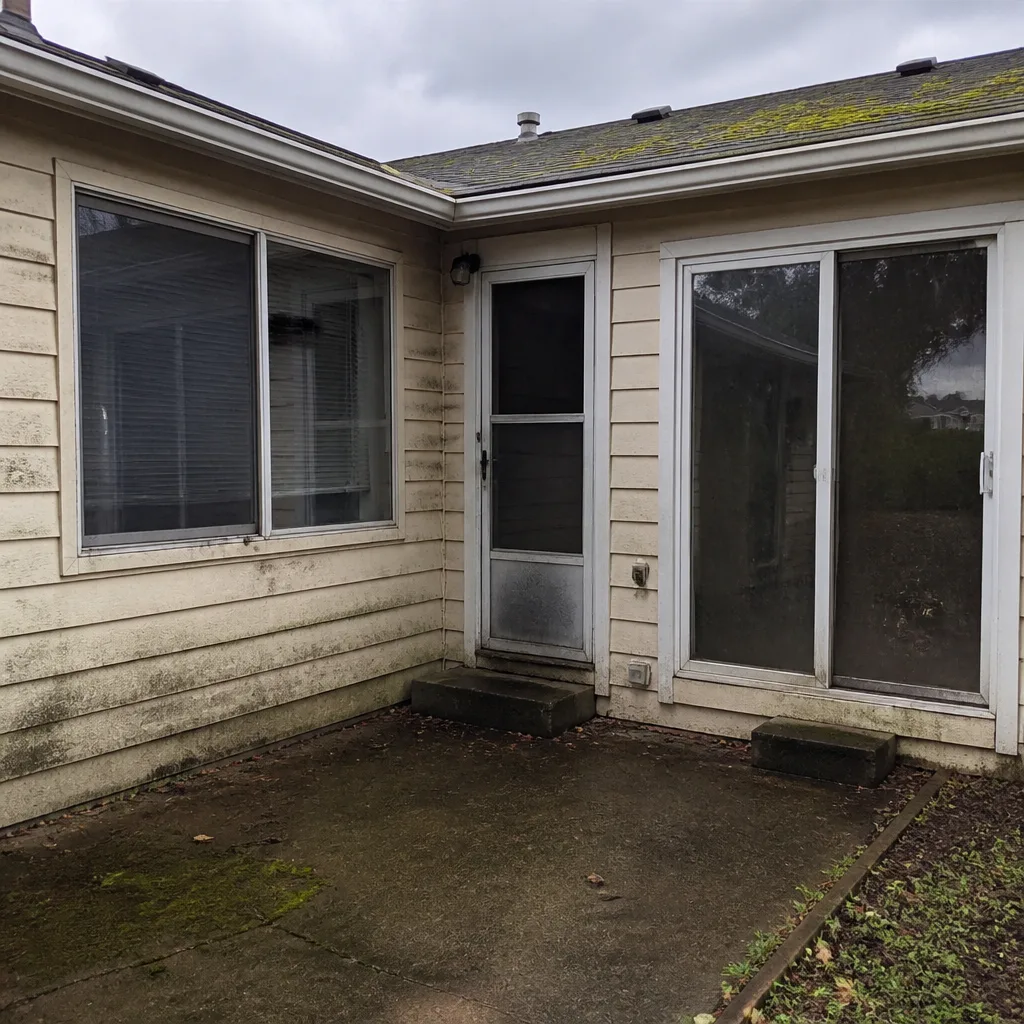
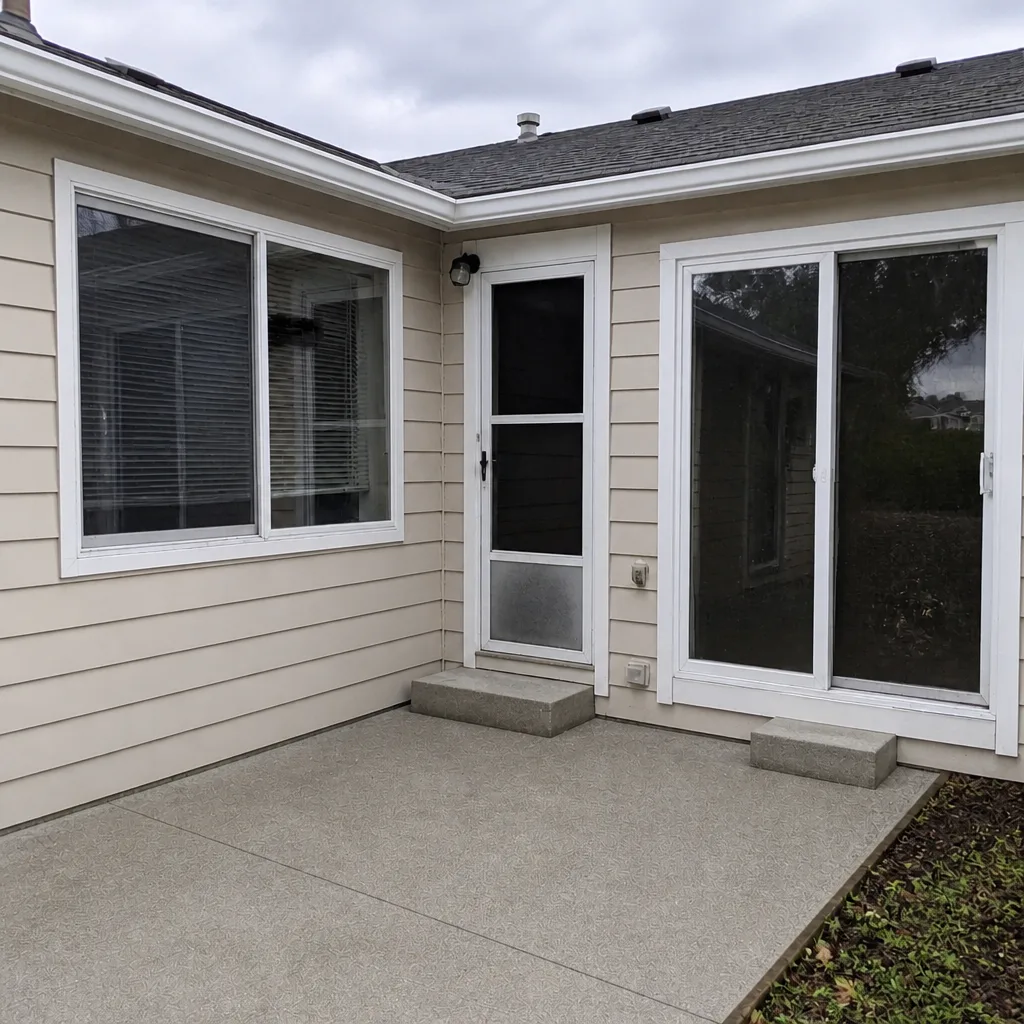
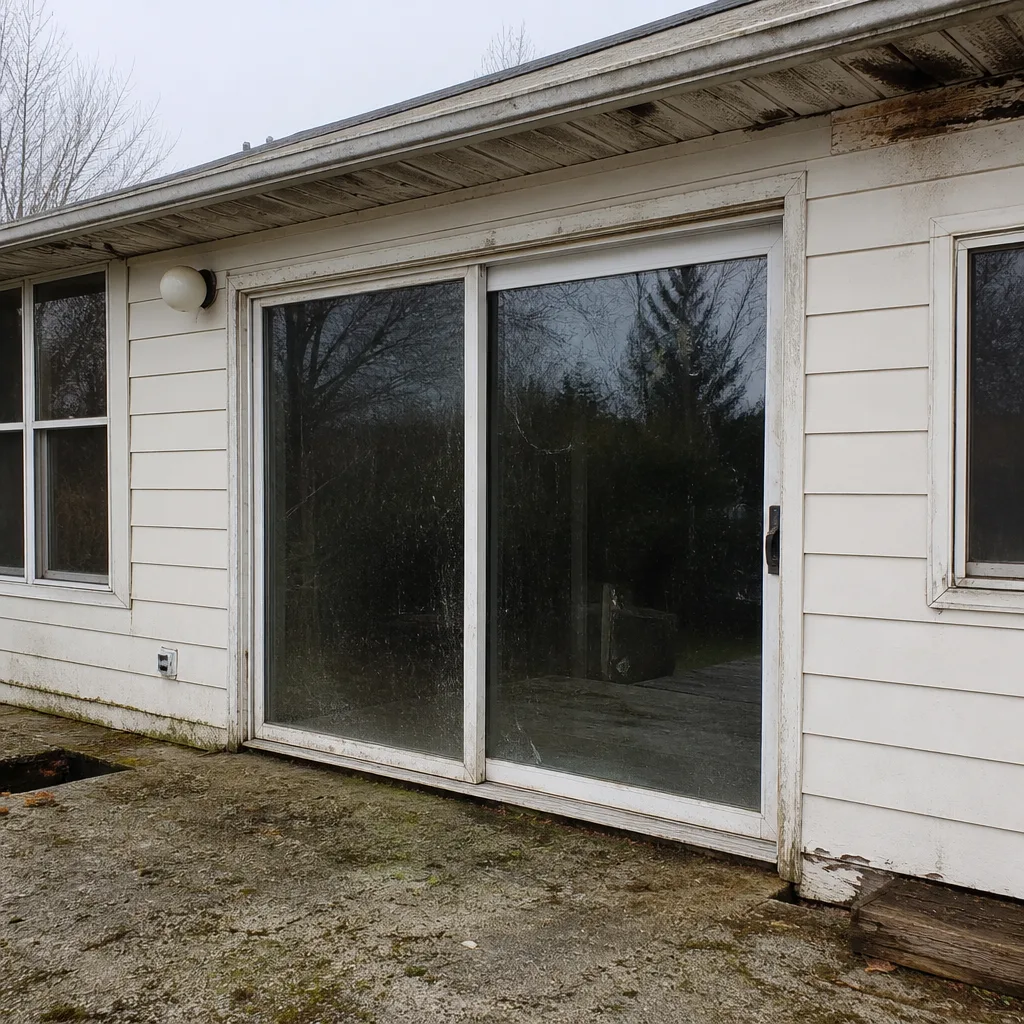
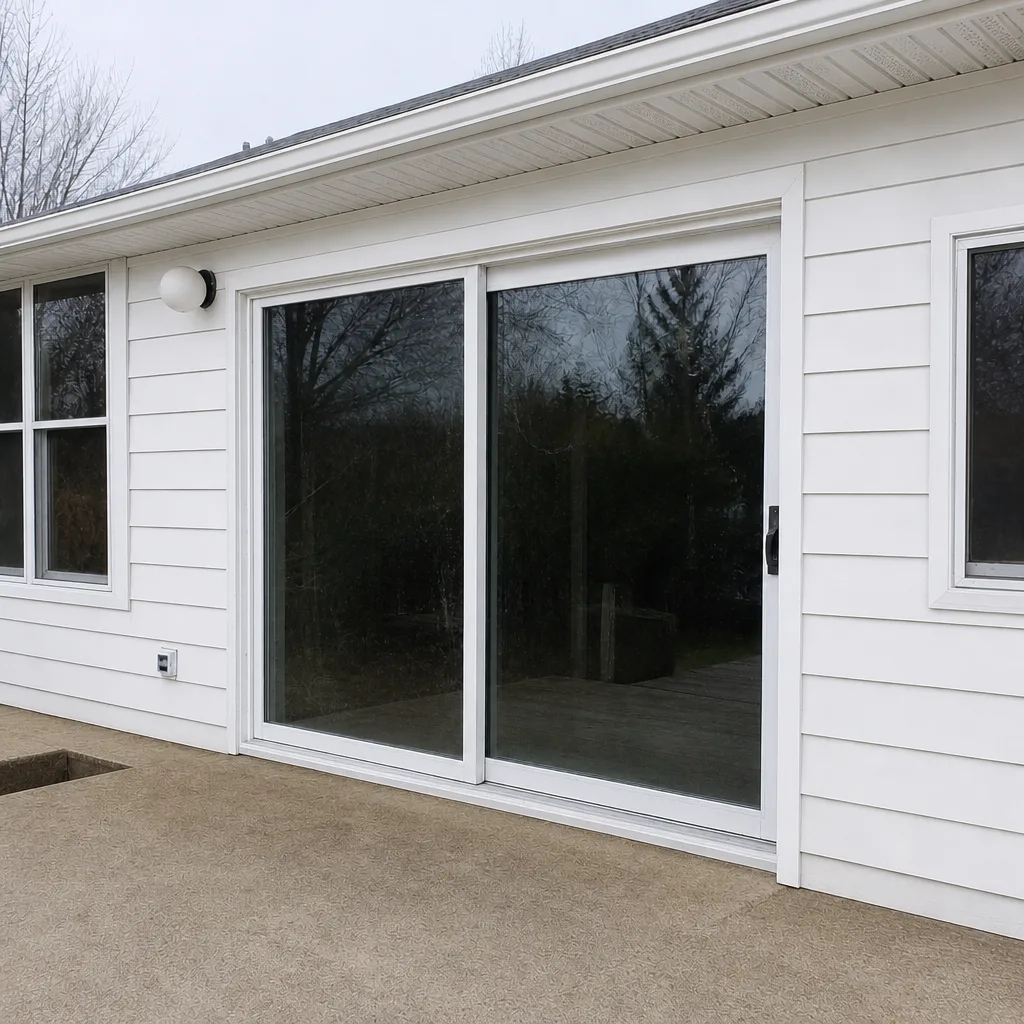
See the difference
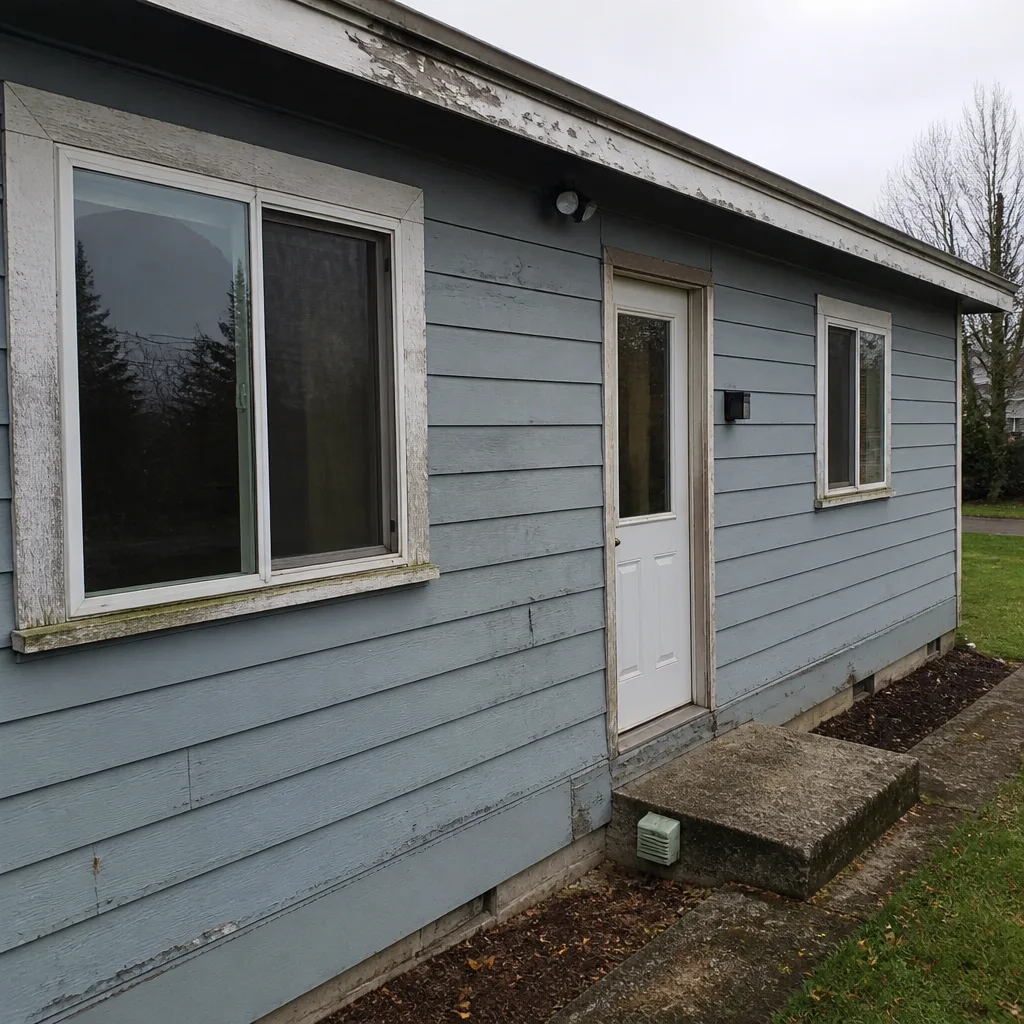 Before
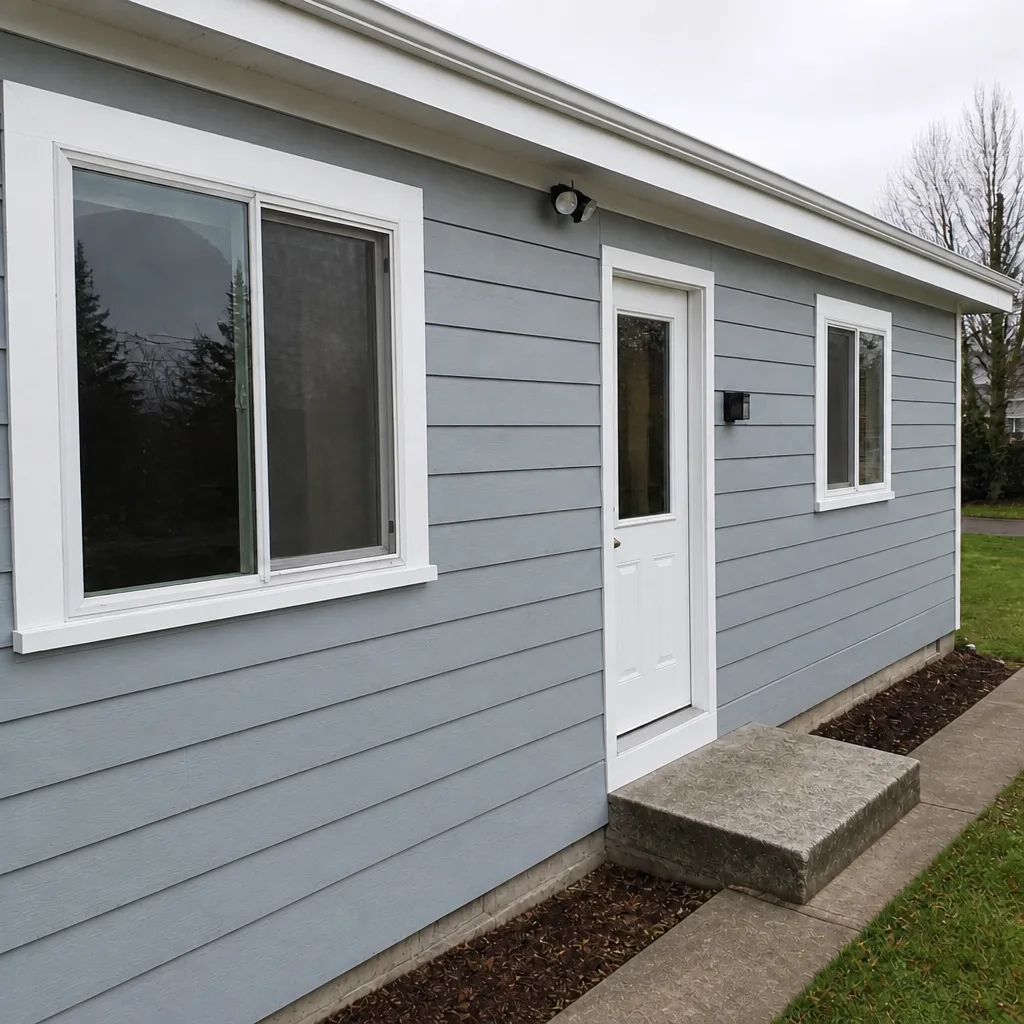 After
 Before
 After
 Before
 After
When to Call a Professional
If you’re planning more than a single like-for-like replacement, or if your project touches doors, structural framing, or HOA restrictions, a specialist walkthrough is worth doing before you place any product order. Here are the scenarios where we’re almost always involved from the first call: enlarging a window opening, converting an entry door to a slider, replacing every window on one elevation, coordinating HOA pre-approval with product selection, and any job where you’re not sure which jurisdiction covers your parcel.
Window Replacement Kent offers free estimates in Kent. Call (253) 480-6913 to schedule a walkthrough, and we’ll tell you in one visit whether the job is exempt, which permit path it needs, and which product from our eight-brand lineup fits your opening and your energy code requirements. We take replacement and installation jobs of three openings or more. The written estimate is the final price.
Frequently Asked Questions
It depends on the specific job. A single like-for-like window replacement in the same size and configuration is typically permit-exempt. A door replacement, an enlarged opening, multiple window replacements in the same permit year, or any structural change usually requires a permit. Call (253) 480-6913 for a free estimate and we’ll confirm your specific case.
It covers a replacement that matches the original window in rough opening size, location, configuration, and operation. If any one of those changes, the exemption no longer applies. Call (253) 480-6913 and we’ll walk through your openings one by one to confirm which qualify.
Yes, whenever the replacement is permitted. The new units must meet a U-factor and SHGC minimum for our climate zone, and the NFRC label on each window is how the inspector verifies it. Products from ECO Window Systems and ES Windows are designed to meet or exceed those thresholds. Call (253) 480-6913 to discuss which product line fits your compliance needs.
The rough-in inspection checks framing, flashing, weather barrier, and NFRC documentation before the wall is closed up. The final inspection confirms the installed units match the permit, that operation is correct, and that any required safety glazing was installed. Call (253) 480-6913 for an estimate that includes the inspection sequence in the scope.
Yes. City code is the floor, not the ceiling, and HOA covenants often add restrictions on frame color, grille pattern, and door style that the city doesn’t enforce. Submit your product spec to the architectural review committee and get written approval before ordering. Call (253) 480-6913 for a free estimate and we’ll help you match product options to your CC&Rs.
It varies by parcel. Look up your parcel on the King County Parcel Viewer first, then cross-check with the City of Kent’s map. Some parcels inside or near Kent city limits are unincorporated King County. Call (253) 480-6913 and we’ll help you identify jurisdiction as part of your free estimate.
The Bottom Line
Permits for window and door work in Kent come down to four questions: which jurisdiction covers your parcel, whether your replacement qualifies as like-for-like, whether the Washington State Energy Code applies, and whether your HOA has a say beyond city code. Answer those four and the rest is paperwork. Our technicians have up to 9 years of experience with local window and door installs, and we’ve walked homeowners through every one of these checkpoints. If you’re ready to price the project, call (253) 480-6913 for a free estimate. The written quote is the final price, and we’ll confirm permit requirements before you order a single unit.
Written by the team at Window Replacement Kent.