Last updated November 25, 2026
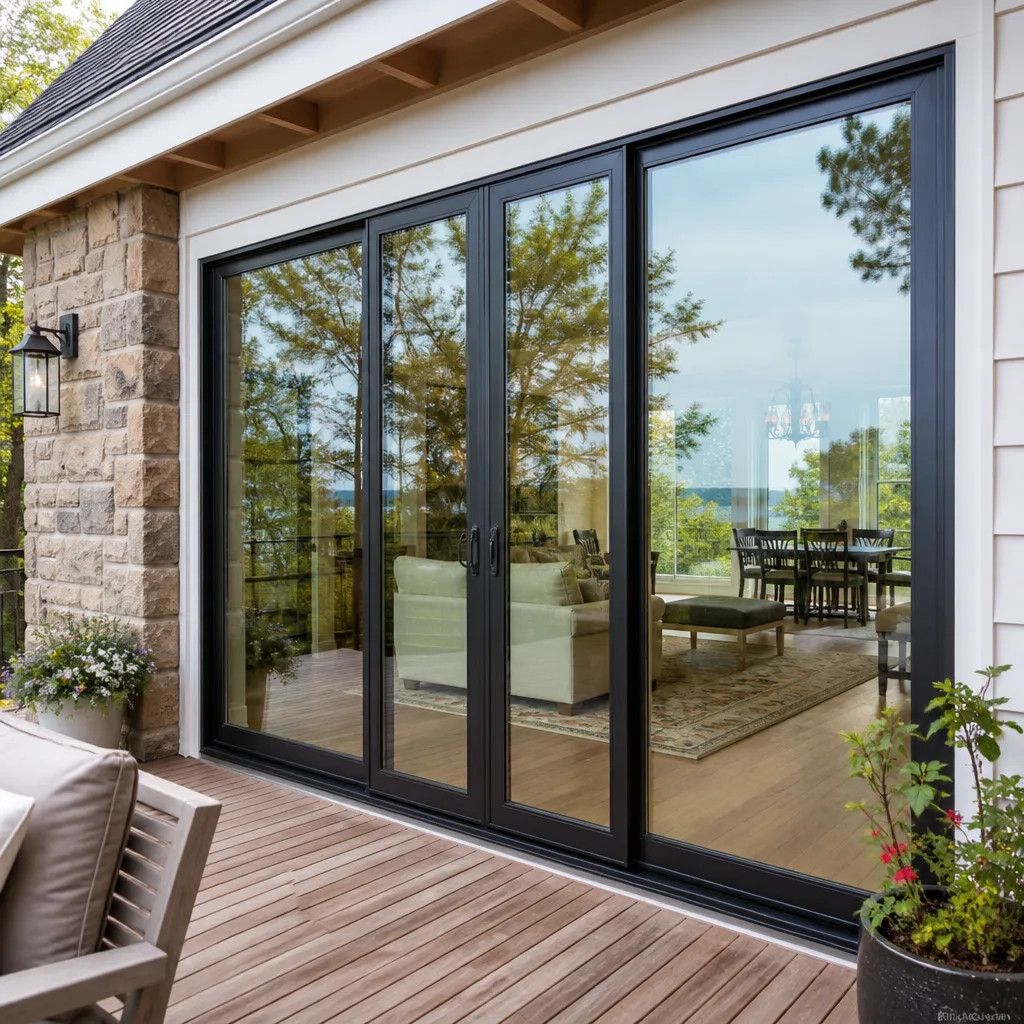 Sliding glass doors
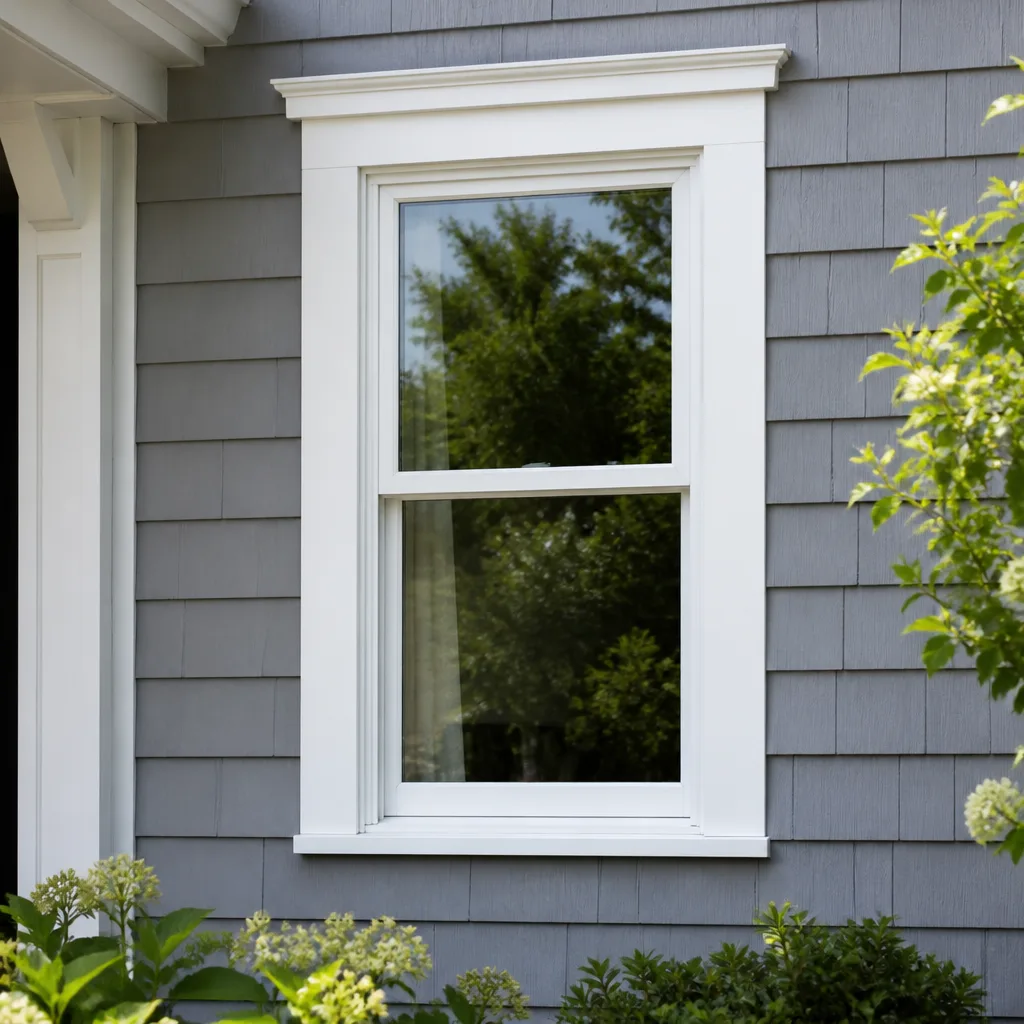 Single hung
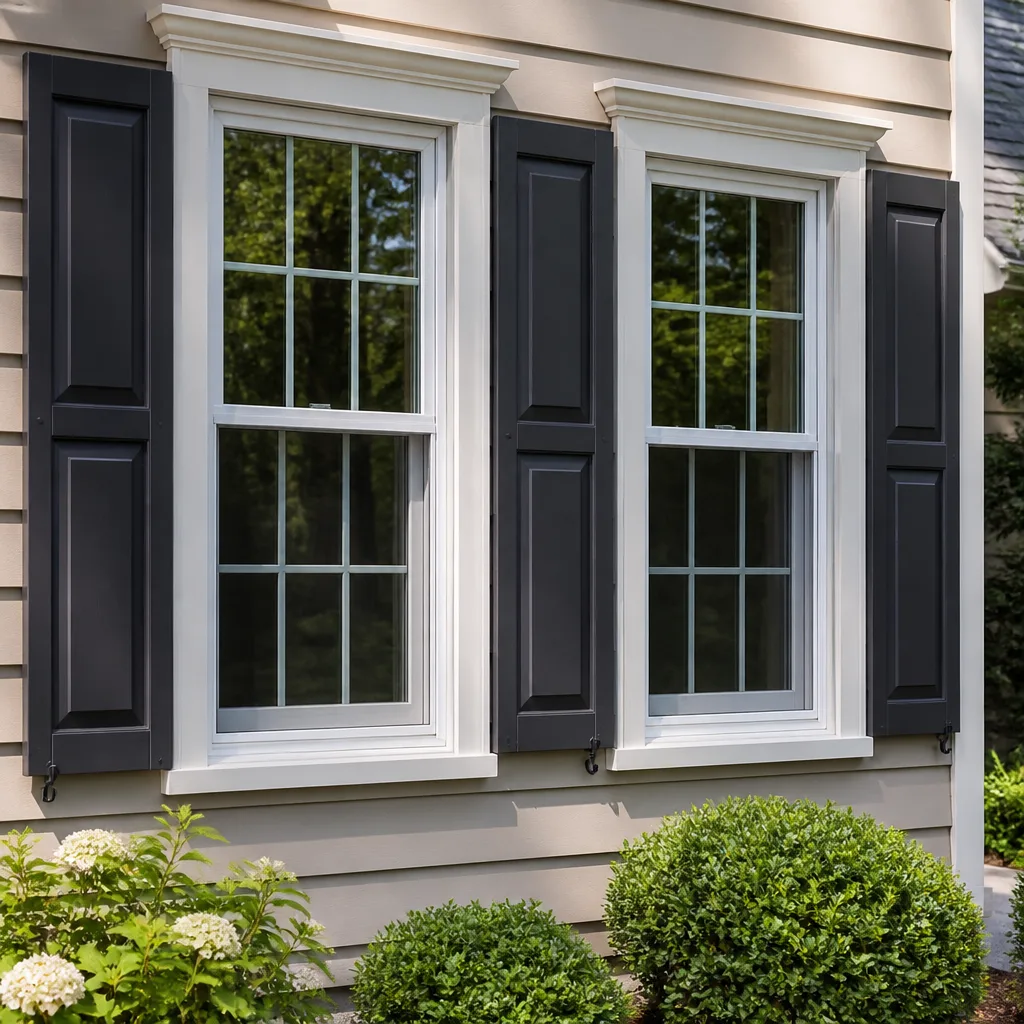 Double hung
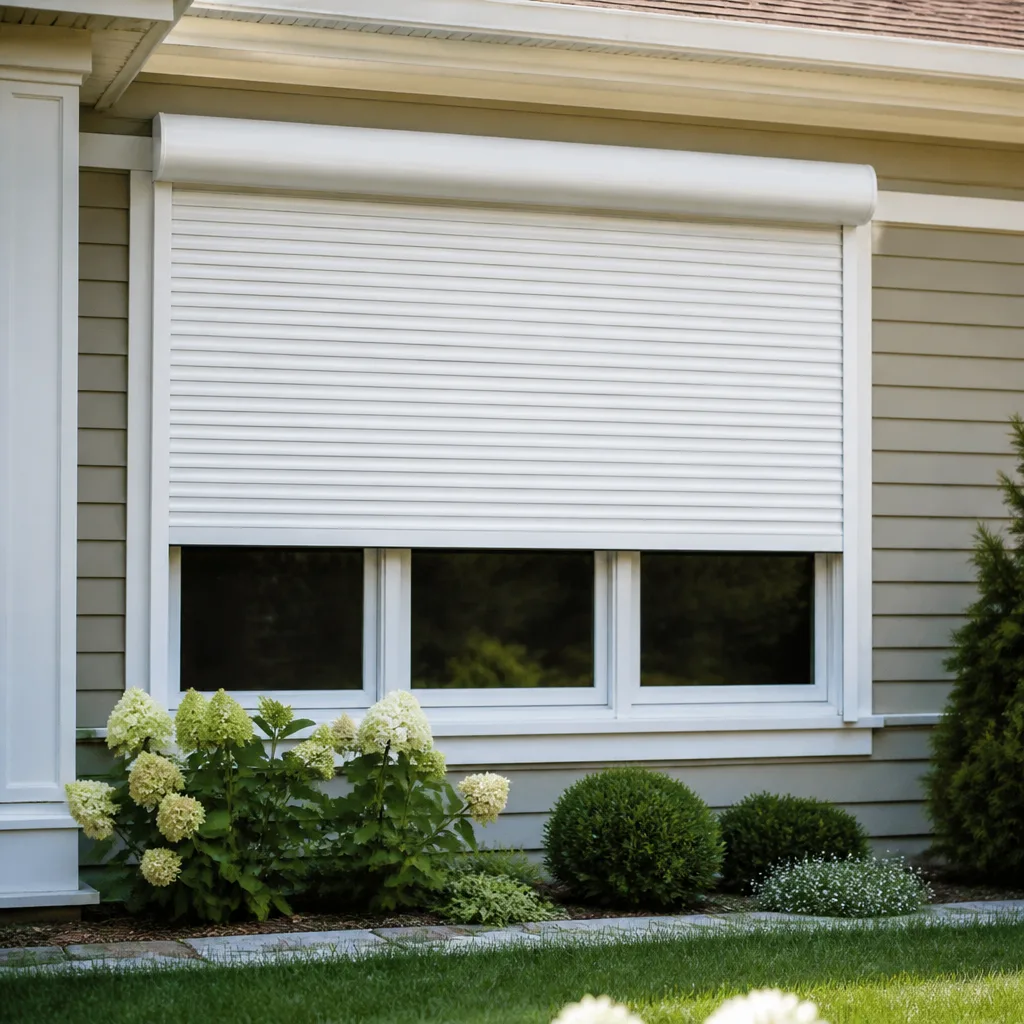 Horizontal roller
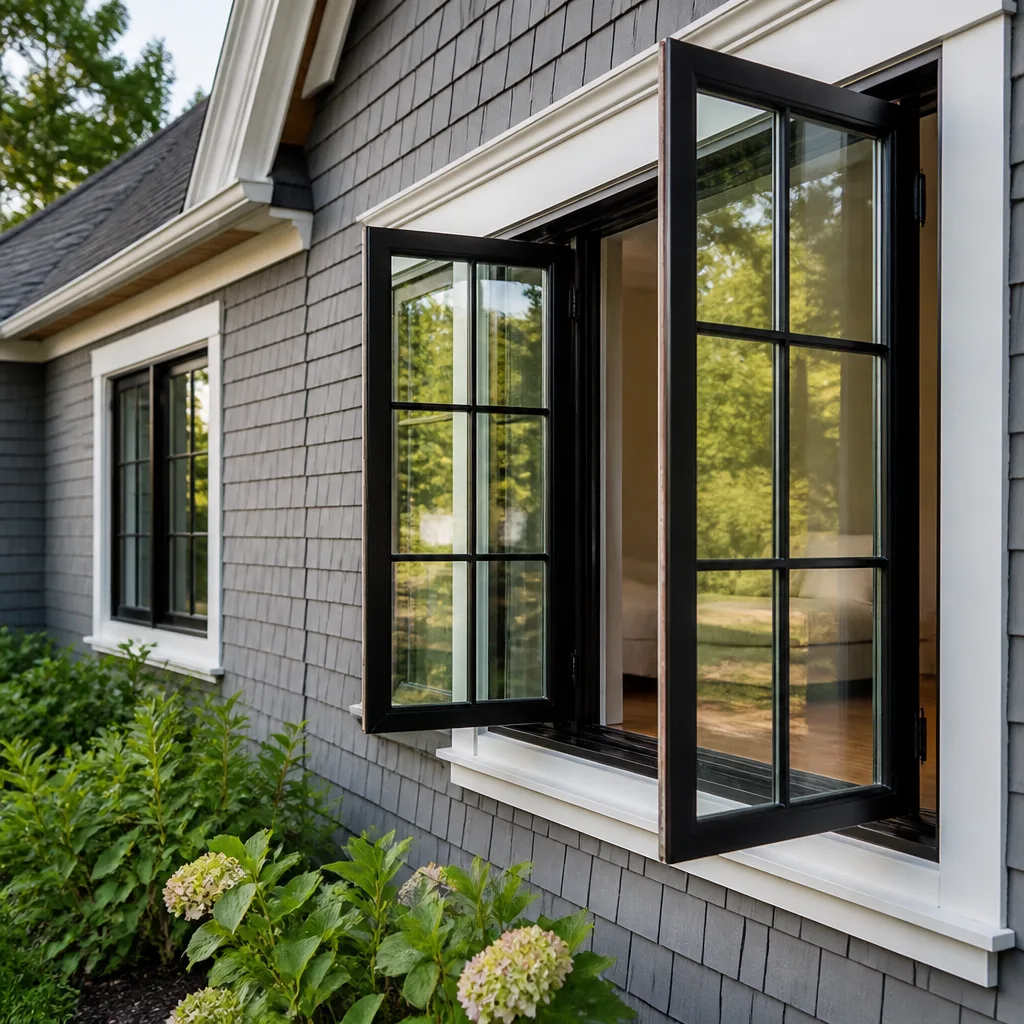 Casement
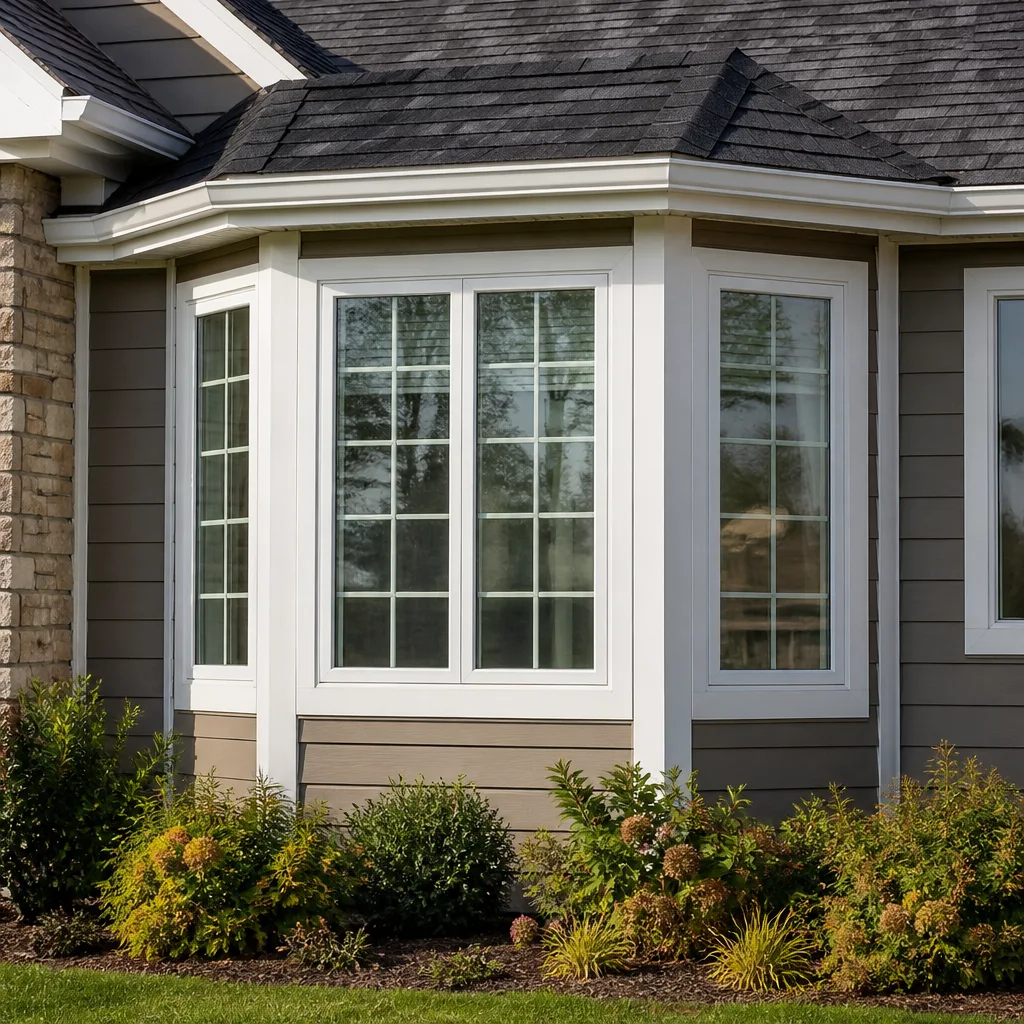 Bay & bow
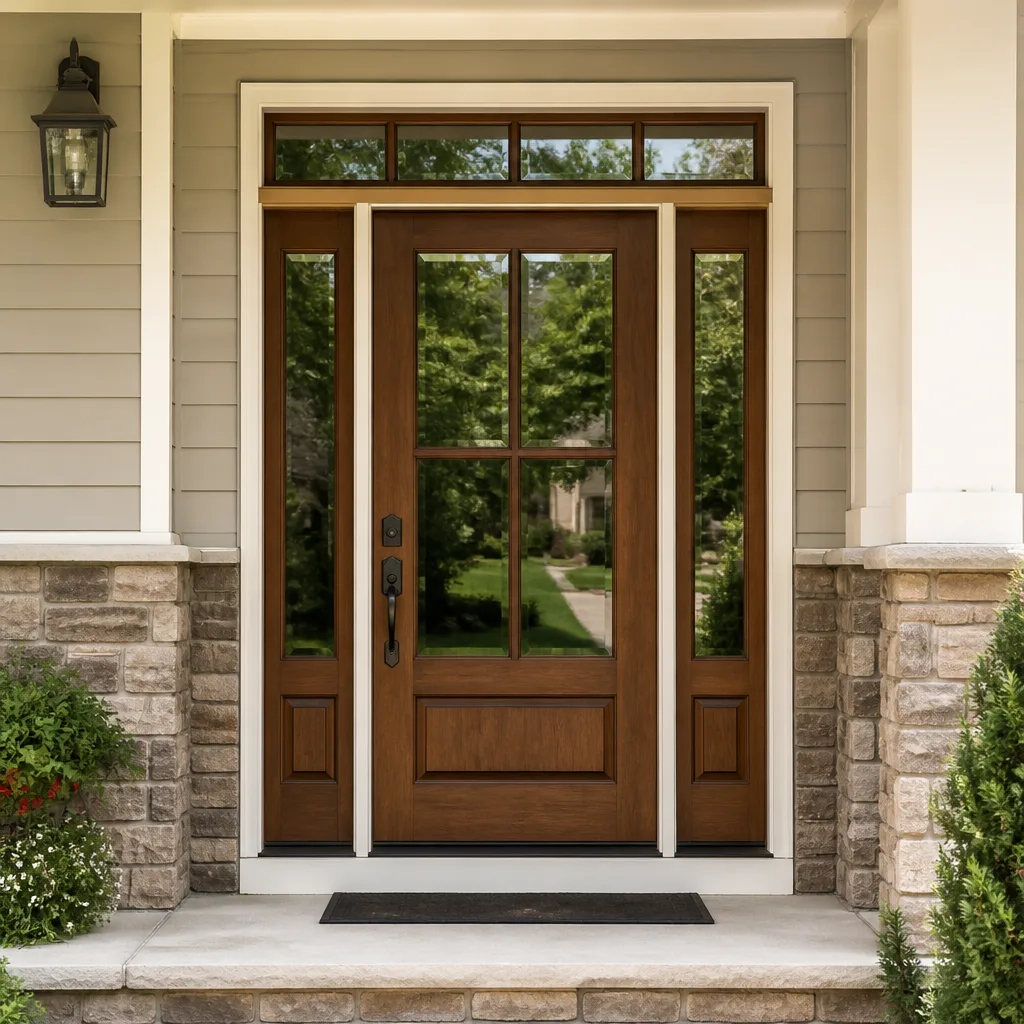 Entry doors
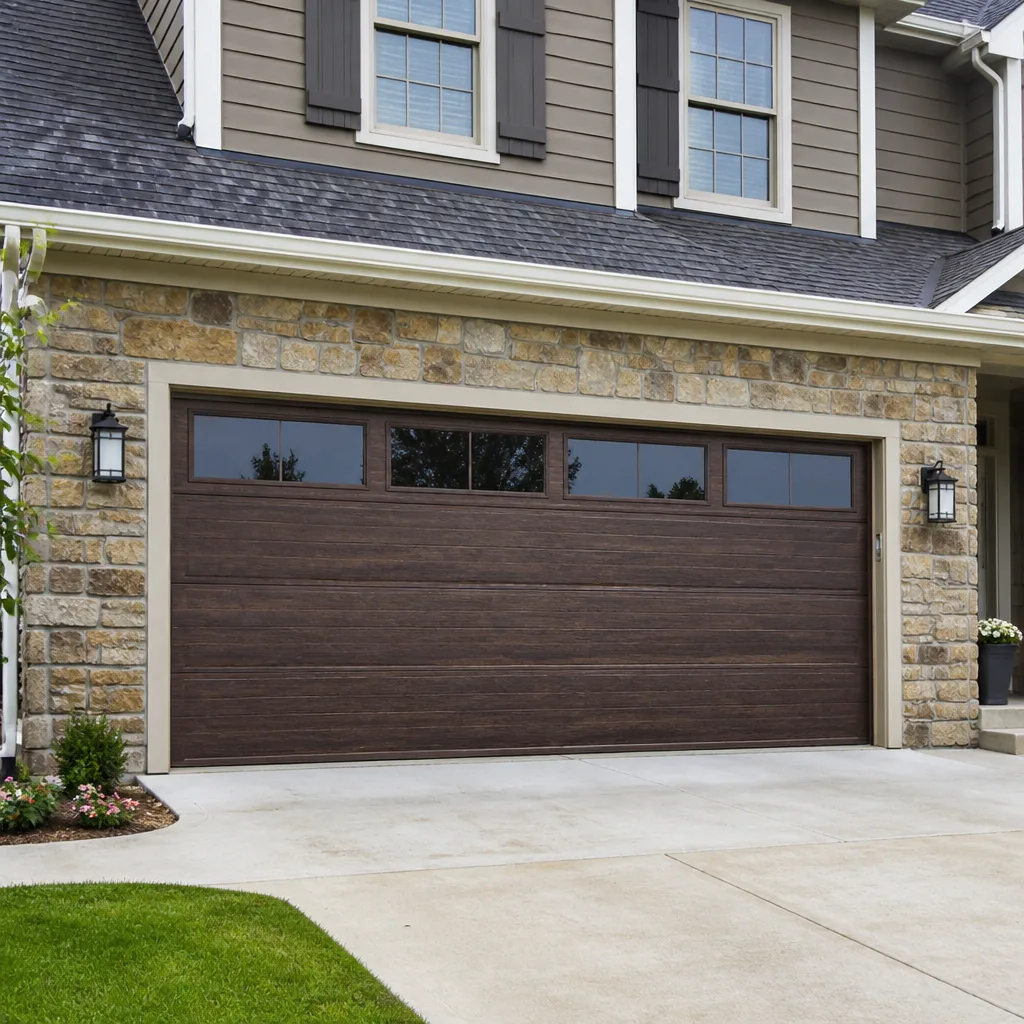 Impact garage doors
 PGT
 CGI
Free in-home measure and quote - PGT, CGI and CWS impact lines compared on your actual openings, style by style
Get your free estimateThe Complete Guide to Windows & Doors in Kent
Most Pacific Northwest window guides treat Seattle, Tacoma, and Kent as if the same glass package handles all three. It doesn’t. Kent sits on the Green River Valley floor, where cold air settles, fog lingers longer than it does on the ridges, and wind-driven rain pushes in from the south against homes that were never spec’d for it. Ten miles uphill, the same window faces a different job. This guide maps every major decision – frame material, glass, DP rating, door type, project sequencing – to what actually happens in Kent, so you can specify a product that holds up here rather than somewhere vaguely regional.
Quick Answer
Windows and doors in Kent need to handle wet winters, dry summers, valley fog, and south-driven rain, which means choosing a frame material and design pressure rating built for moisture and thermal swing rather than the mild “Pacific Northwest” average. Vinyl and fiberglass handle Kent’s moisture best at mainstream budgets, wood-clad and aluminum-clad suit specific architectural stock, and impact-rated or energy-efficient lines from a multi-brand specialist let you match the product to each opening. Get a free written estimate before you commit, because the right answer changes with the home.
Styles & brands we work with
- Single hung
- Double hung
- Horizontal roller
- Casement
- Bay & bow
- Sliding glass doors
- Entry doors
- Impact garage doors
- PGT
- CGI
Table of Contents
- Why Kent’s Climate Is Not “Just Pacific Northwest”
- Design Pressure Ratings: Why Valley Homes Need More Than Hillside Homes
- Frame Materials Ranked for Kent’s Moisture and UV Cycles
- Glass Packages That Make Sense in Kent
- Choosing Door Types for Kent’s Freeze-Thaw Months
- Why Brand Access Matters for Kent’s Housing Stock
- How to Sequence a Whole-Home Window and Door Project
- Permits and Code Considerations in Kent
Why Kent’s Climate Is Not “Just Pacific Northwest”
Kent’s weather is shaped by the valley it sits in, not just the region it belongs to. The Green River Valley floor traps cold air in winter, holds fog longer into the morning than the surrounding ridges, and warms faster on clear summer days. That combination matters for windows because every frame and seal is doing two jobs at once: keeping water out during the wet season and surviving expansion and contraction as temperatures swing between wet winters and dry summers. A window spec’d for a hillside home ten miles away faces different humidity, different sun exposure, and different wind loading than one on the valley floor.
The wind direction is the other piece most guides gloss over. Kent’s heavier rain events tend to arrive on southerly winds, which means the south and southwest faces of a home take more driven water than the north side. Windows and doors on those elevations need tighter weatherstripping, better drainage paths in the frame, and installation detailing that sheds water rather than letting it sit against the sill.
What that means for you:
- South- and southwest-facing openings deserve the most attention to drainage and seal detail.
- Valley-floor homes should expect more condensation on interior glass in winter, which points to better glass packages and ventilation rather than tighter seals alone.
- Fog-heavy mornings mean frames that hold moisture against the exterior should be avoided.
- Homes on the valley floor and homes on the surrounding hills genuinely warrant different product choices.
When we walk a Kent home, the elevations and the micro-position on the valley floor are the first things we look at, because they decide more of the product conversation than the floor plan does. If you’re at the point of pricing out a full project, the Window Replacement Kent page lays out how we structure the estimate.
Design Pressure Ratings: Why Valley Homes Need More Than Hillside Homes
A design pressure (DP) rating tells you how much wind load and water pressure a window or door is rated to withstand. Most residential windows are rated somewhere between DP30 and DP50, and the number should match the wind exposure of the specific opening, not the general region. A valley-floor home in Kent can see funneled wind pushing through gaps in the surrounding terrain, while a sheltered hillside property may face lighter sustained loads. Generic guides that quote a single regional number miss this entirely.
How to think about DP when you’re specifying:
- Identify which elevations take the most driven rain and wind – usually south and southwest in Kent.
- Match those openings to a higher DP rating than sheltered elevations on the same home.
- Check the product’s water penetration rating alongside the DP number; the two are related but not interchangeable.
- Ask the installer what the rated performance actually is on the product they’re quoting, in writing.
- Confirm the installation method supports the rating – a high-DP window installed poorly performs like a low-DP one.
This is where a specialist helps. A generalist contractor often quotes whatever line they carry, and that line may be perfectly fine for a sheltered Tacoma lot but under-spec’d for a wind-exposed Kent elevation. Because we carry multiple product lines, we can pair a higher DP rating on the exposed faces with a mainstream product on the protected ones, so the budget goes where the performance actually matters.
Frame Materials Ranked for Kent’s Moisture and UV Cycles
Frame material is the single biggest decision after glass, and in Kent the ranking isn’t the same as it would be in a drier climate. Moisture exposure, thermal expansion from the wet-to-dry seasonal swing, and UV through the dry summer months all favor some materials over others. Here’s how the four main options actually behave in Kent.
- Vinyl: The mainstream default, and for good reason in Kent. Vinyl doesn’t absorb moisture, doesn’t rot, and holds up well through the wet season. Quality varies widely by extrusion, so a low-grade vinyl will crack and fade in the summer UV faster than the better lines. At the budget end this is the right call; at the top end, vinyl can’t match fiberglass for thermal stability.
- Fiberglass: The strongest all-round choice for Kent’s thermal swing. Fiberglass expands and contracts far less than vinyl, which means seals and weatherstripping survive the wet-winter/dry-summer cycle with less wear. Pricier than vinyl, but the best fit for exposed elevations and south-facing glass where the temperature delta is widest.
- Wood-clad (wood interior, aluminum or vinyl exterior): A good match for Kent’s older ramblers and mid-century stock where the interior finish matters. The exterior cladding handles the rain; the interior wood gives the warmth and trim detail a lot of Kent homes were built with. Requires more maintenance attention than vinyl or fiberglass at the exterior seams.
- Aluminum-clad: Best for large openings, sliding doors, and newer subdivisions where slim sightlines matter. Aluminum doesn’t move with moisture the way wood does, but the thermal break matters a lot in a valley that cools sharply at night. Specify a thermally broken frame for anything on a Kent elevation with significant glass.
One working rule we use in Kent: if the opening faces south or southwest and gets direct summer sun plus driven winter rain, lean toward fiberglass or a thermally broken aluminum-clad frame. If it’s a sheltered north-facing bedroom window, a quality vinyl is the right call and saves budget for the exposed side.
Glass Packages That Make Sense in Kent
Glass is where a lot of Kent homeowners overspend or underspend without realizing it. The valley’s fog retention and cool overnight temperatures mean condensation management matters, while dry summers mean solar heat gain control is worth thinking about on west and south glass. A double-pane low-E package handles the majority of Kent homes well; triple-pane is worth the upgrade selectively, not universally.
Decisions that actually pay back in Kent:
- Low-E coating: Worth it on nearly every window in Kent. Keeps winter heat in and cuts summer solar gain.
- Argon or krypton fill: Argon is the standard pairing with low-E and gives you most of the benefit for the cost. Krypton matters more for narrow frames.
- Warm-edge spacers: Directly relevant in Kent’s cool overnight temperatures. Reduces condensation on the interior edge of the glass in winter, which is the most common complaint we hear.
- Triple-pane: Worth considering on large south- or west-facing glass and on the coldest valley-floor elevations. Overkill on smaller sheltered windows where double-pane low-E performs nearly as well.
Impact-rated glass is a separate conversation. In Kent it usually comes up for homeowners who want the extra layer of storm protection, and PGT, CGI, and ECO Window Systems offer impact-rated lines that fit that need without pushing the whole project into a specialty tier. If you want to understand how the glass choice interacts with the frame and installation before you commit, the window installation page explains the sequence.
Choosing Door Types for Kent’s Freeze-Thaw Months
January and February are when Kent doors reveal their weaknesses. The freeze-thaw cycle – overnight frost, daytime thaw, wet ground, morning fog – pushes moisture into seams and works on every material differently. The door that looks identical to a drier-climate install can warp, swell, or fail its weather seal within a season if the material doesn’t match the conditions. This is where material choice matters more than aesthetic preference.
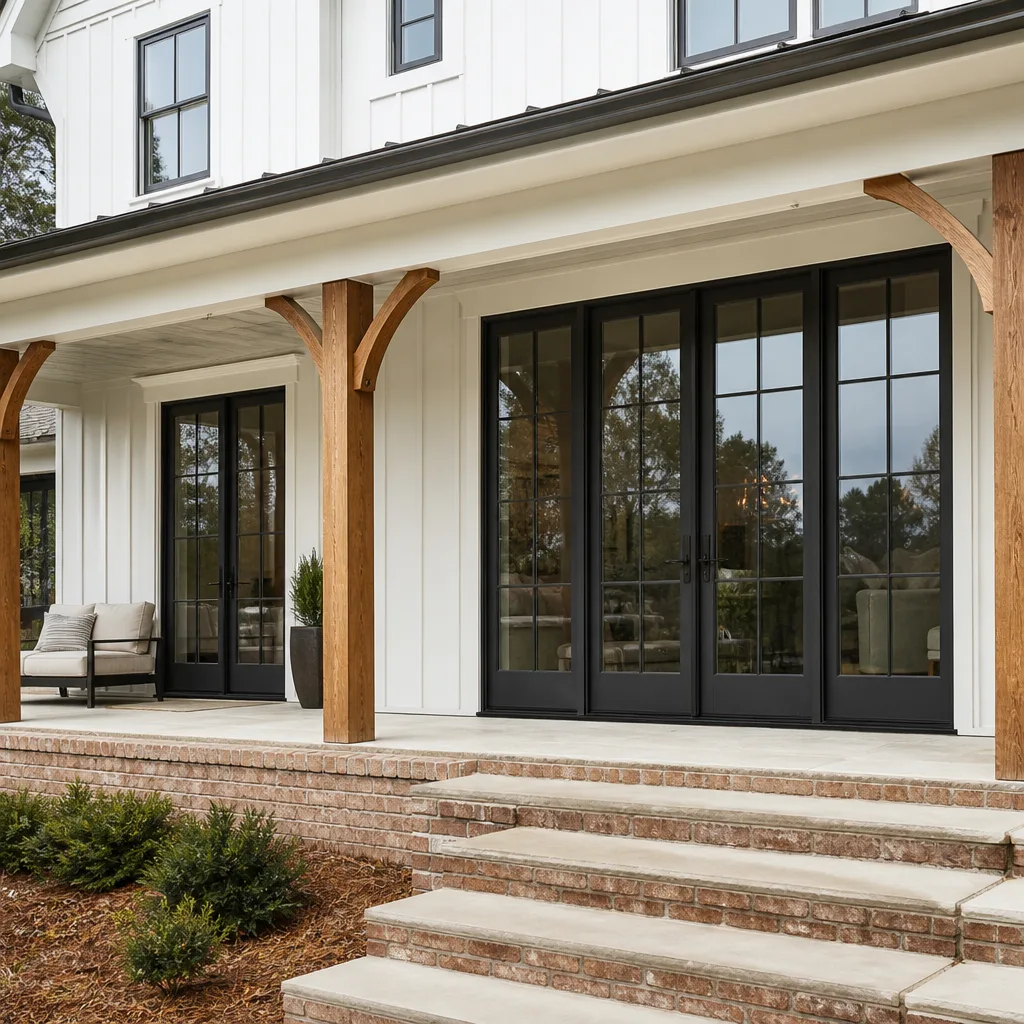
- Fiberglass entry doors: The best fit for Kent’s freeze-thaw reality. Fiberglass doesn’t absorb moisture, doesn’t warp, and holds a weather seal through repeated freeze-thaw motion. It’s also the door type where the Therma-Tru lineup is strongest, and that matters when you want a nationally recognized product behind the entry.
- Steel entry doors: Durable and secure, and a good option where the door is sheltered from direct weather by a porch or deep overhang. Steel can transfer cold and can show condensation on the interior face in a cold Kent winter, so an insulated core and a thermal break are worth specifying.
- Wood entry doors: Beautiful and appropriate for many of Kent’s older homes, but the highest maintenance option for the freeze-thaw cycle. Wood moves with moisture and requires regular exterior finishing to survive the wet season without seal failure.
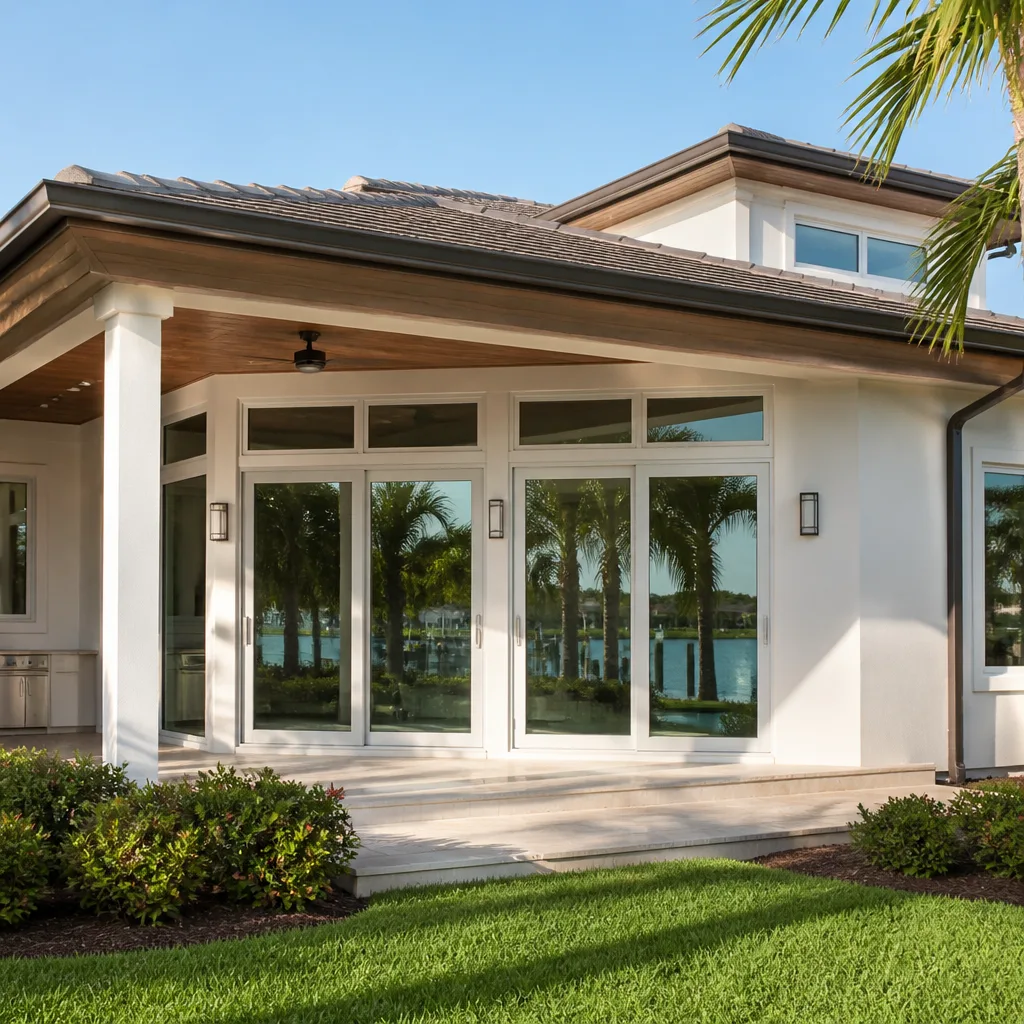
- Sliding glass doors: Kent’s south-facing sliding doors take the heaviest wind-driven rain, so the track drainage and weatherstripping detail is the entire game. A sliding door that’s under-built for the elevation will leak at the threshold, not the glass.
The right door for a sheltered north-facing entry is not the right door for a wind-exposed south sliding door, and treating them as the same decision is how Kent homeowners end up replacing a door twice. When we quote door replacement, the elevation and exposure of each opening decide the material recommendation before style does.
Why Brand Access Matters for Kent’s Housing Stock
Kent’s housing stock is more varied than a single product line can serve. Valley-floor ramblers built decades apart, mid-century homes with deep overhangs, and newer subdivisions with large glass and slim sightlines all call for different products, different frame profiles, and sometimes different performance tiers on the same street. A specialist carrying one brand will recommend that brand for every home. A specialist carrying eight can match the product to the opening.
That’s the working reason behind the lineup we carry. ECO Window Systems and PGT cover the energy-efficient and impact-rated end of the range, so a homeowner prioritizing utility performance or storm protection has a real option in the quote. ViewLux and Mr-Glass cover mainstream and specific profile needs across the budget tiers. Therma-Tru handles the entry door side with manufacturer-level product quality. CGI and ES Windows round out the range across frame and glass options, and CWS covers specialty needs the broader lines don’t. It’s not a list for its own sake; it’s the difference between “this is what we carry” and “this is the right product for your elevation and your budget.”
When you’re comparison-shopping, ask every installer a simple question: how many product lines are you quoting, and why this one? If the answer is “we only carry X,” you’re not getting a recommendation, you’re getting an inventory update. Plain window replacement is where that brand breadth shows up in the estimate before the first window is ordered.
How to Sequence a Whole-Home Window and Door Project
If you’re replacing every opening in the house rather than one or two, sequencing matters as much as product selection. Permits, manufacturer lead times, and installation weather windows all interact, and getting the order wrong costs weeks. Here’s the sequence that works for Kent homes, whether you’re doing windows and doors together or doors after windows.
- Walk the home and catalog every opening. Room by room, note each window and door, its elevation, and its exposure. This is where the south and southwest faces get identified early.
- Confirm the scope and the minimum. We take window and door replacement jobs of three openings or more, so a whole-home project is right in the wheelhouse. Decide whether windows, doors, or both are in this round.
- Pull permits for the scope. Most cities require a permit for window and door replacement because the openings are part of the building envelope. In Kent, confirm the current requirement with the city’s building department before the order goes in.
- Order the products with lead times in mind. Manufacturer lead times vary by brand and by custom size. Material ordering is the long pole; get it placed before you schedule install dates.
- Schedule installation by elevation and season. Install the most exposed elevations during the drier stretch of the year where possible, so the openings aren’t wide open in the wettest weeks. Sequence interior finished rooms to protect flooring and furnishings.
- Inspect and sign off. The final walk checks operation, weather seals, drainage, and the exterior flashing detail on every opening. Confirmed permits get inspected and passed.
Doors are usually sequenced after windows on a combined project, because door installation involves different framing detail at the threshold and it’s simpler when the adjacent window work is already complete. On a hybrid project, do the windows on one elevation, then the doors, so the weather seal on each opening is complete before the next trade moves in.
Permits and Code Considerations in Kent
Window and door replacement typically requires a permit in Kent because you’re altering openings in the building envelope. Most cities tie the permit requirement to the number of openings, the size change, or whether structural framing is touched, so the exact trigger is worth checking with the city’s building department before the order is placed. Skipping the permit is the kind of shortcut that surfaces at resale and complicates insurance.
What the permit process usually involves:
- Confirming the requirement with the city before ordering product.
- Submitting the scope and product specifications, including DP ratings on the exposed elevations.
- Scheduling inspection after installation, once the flashing and weather seals are complete.
- Keeping the inspection record with the home’s paperwork.
We pull permits for the work and manage the inspection, so the homeowner isn’t chasing the building department. If you want to know what that looks like on your home, call (253) 480-6913 and we’ll walk through it on the free estimate.
Common Mistakes to Avoid
- Applying a hillside spec to a valley-floor home. A window rated for a sheltered Tacoma lot can under-perform on a wind-exposed Kent elevation. Match the DP rating and glass to the actual opening, not the region.
- Quoting one product for every opening. The south-facing sliding door and the sheltered bedroom window aren’t the same problem. Different products on different elevations usually cost less and perform better than a single-line quote.
- Ignoring the freeze-thaw cycle when picking door material. Wood and steel can both work in Kent, but only with the right weather detailing. Fiberglass handles the January-to-February swing with the least maintenance.
- Over-specifying triple-pane everywhere. It’s worth it on large south and west glass; on a small sheltered window it’s budget that would perform better on the exposed side.
- Skipping the permit and inspection. It’s a cheap shortcut until resale or insurance asks for the record. The permit process exists for a reason.
- Ordering product before checking lead times. Manufacturer lead times can run long on custom sizes. Get material ordered early in the sequence so installation windows on the drier months are protected.
- Choosing the installer before choosing the product. A single-line installer will recommend a single-line product. Pick the product first, then the installer who carries it.
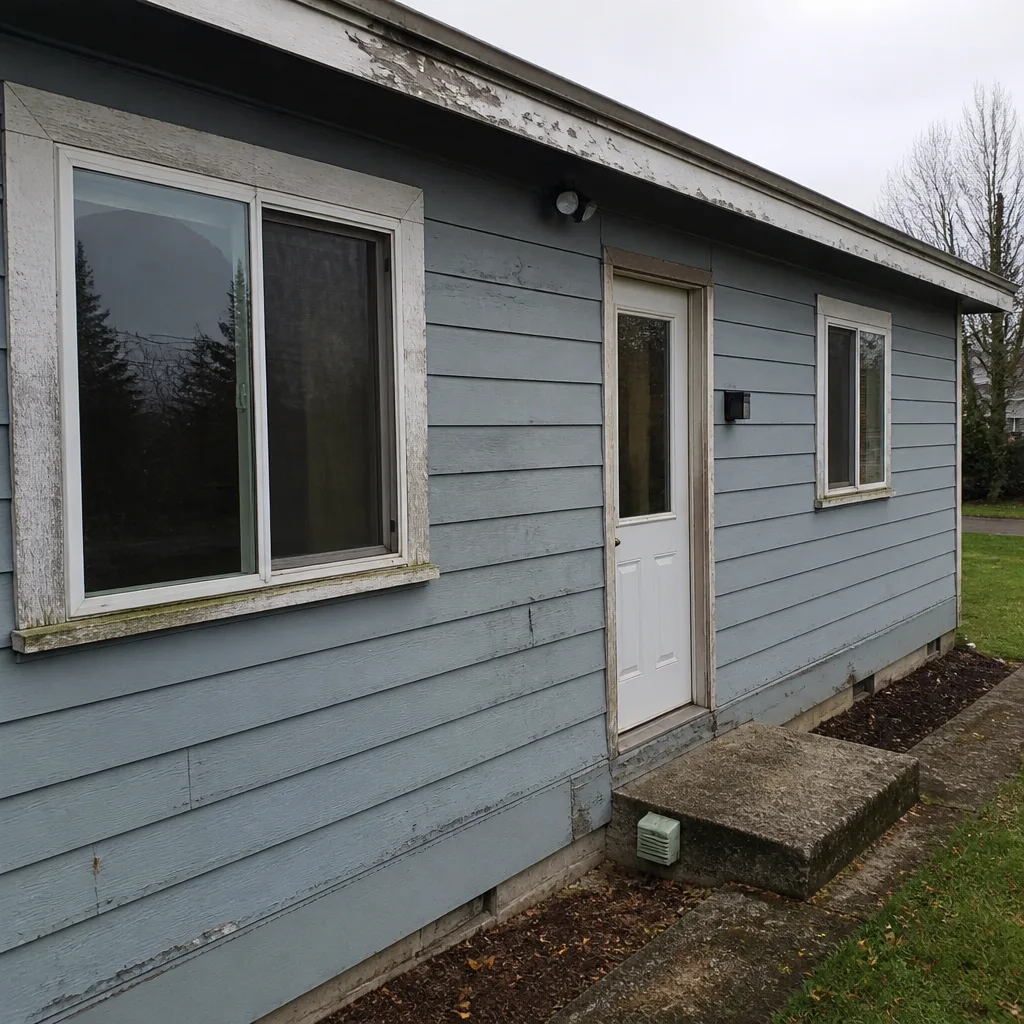
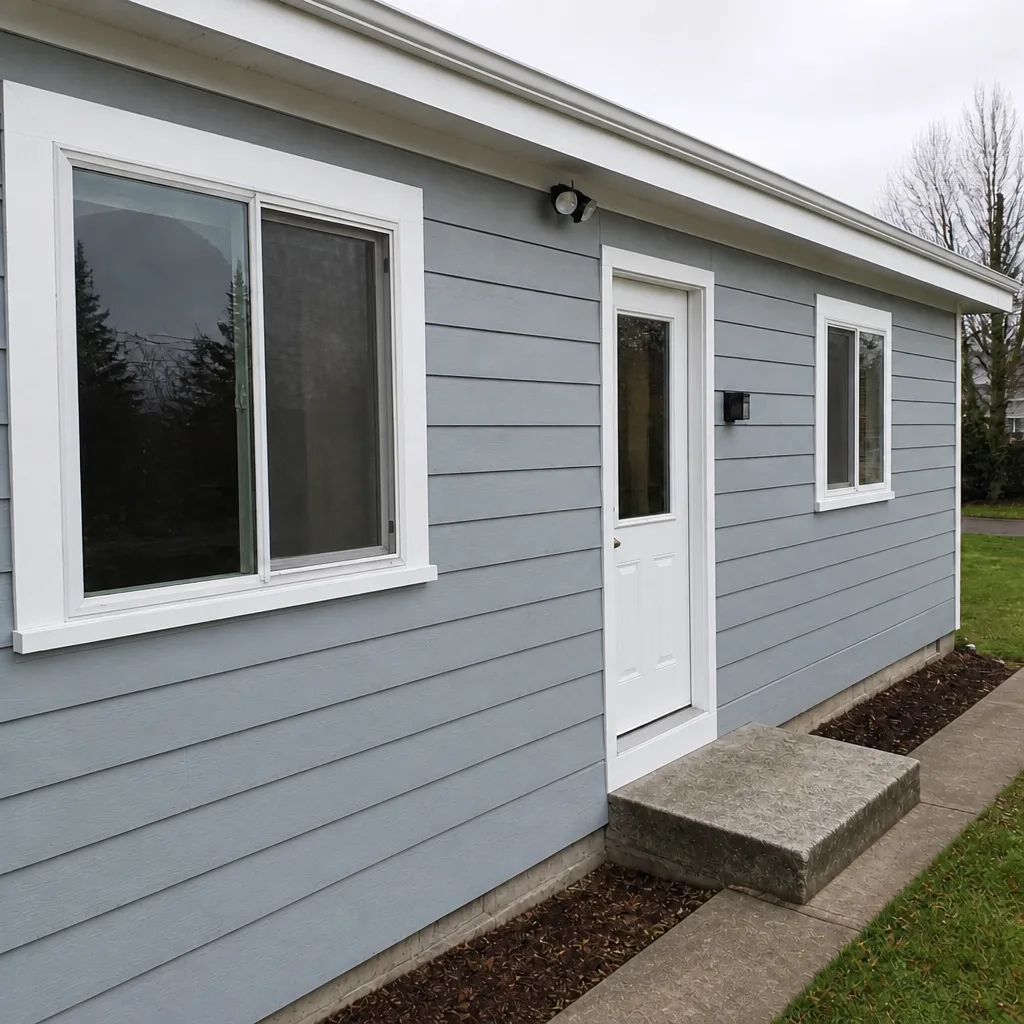
See the difference
 Before
 After
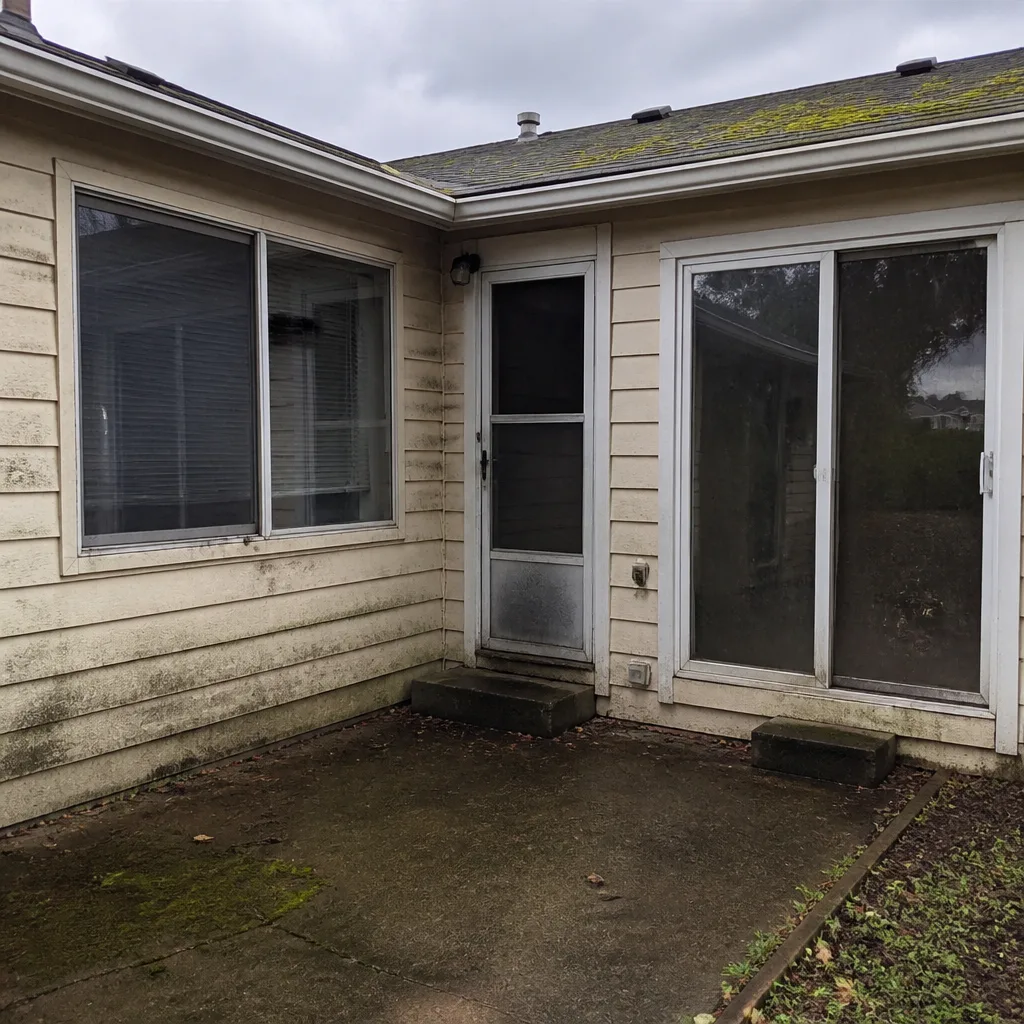 Before
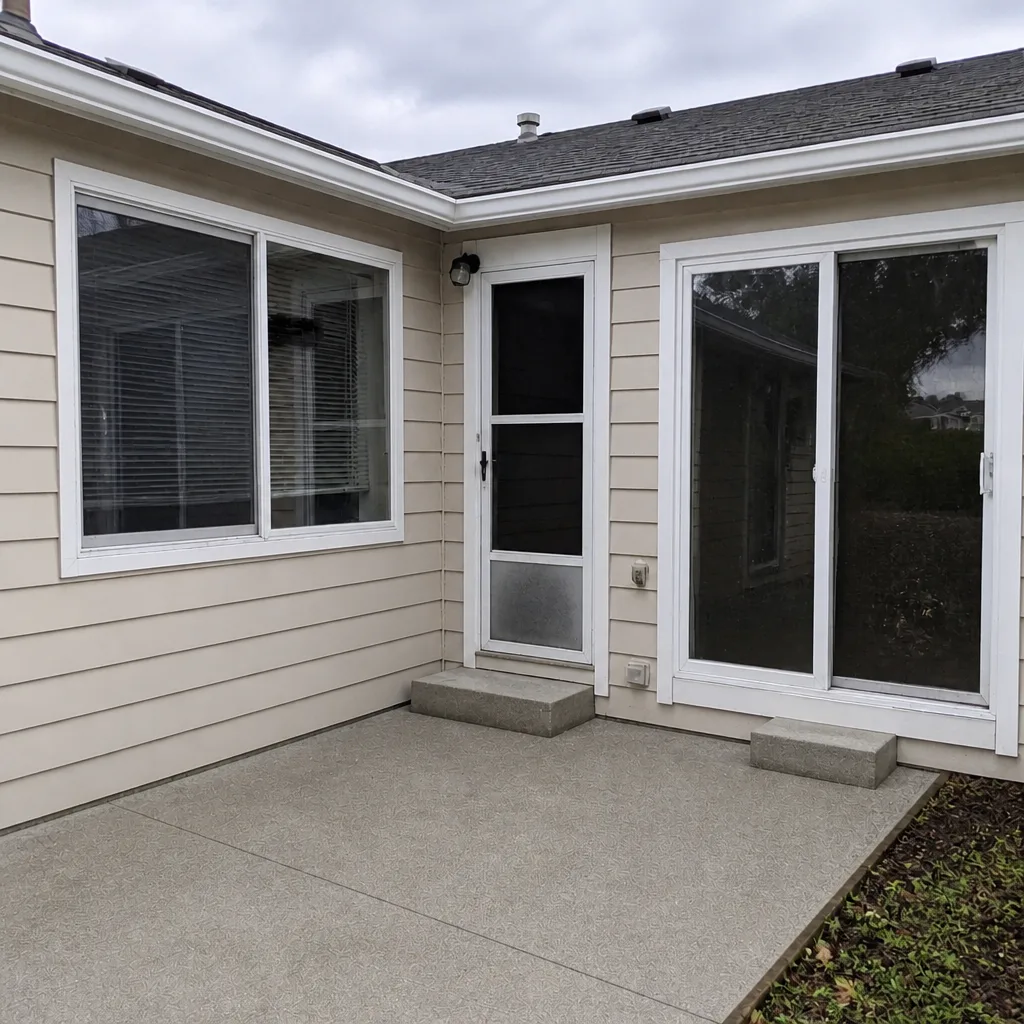 After
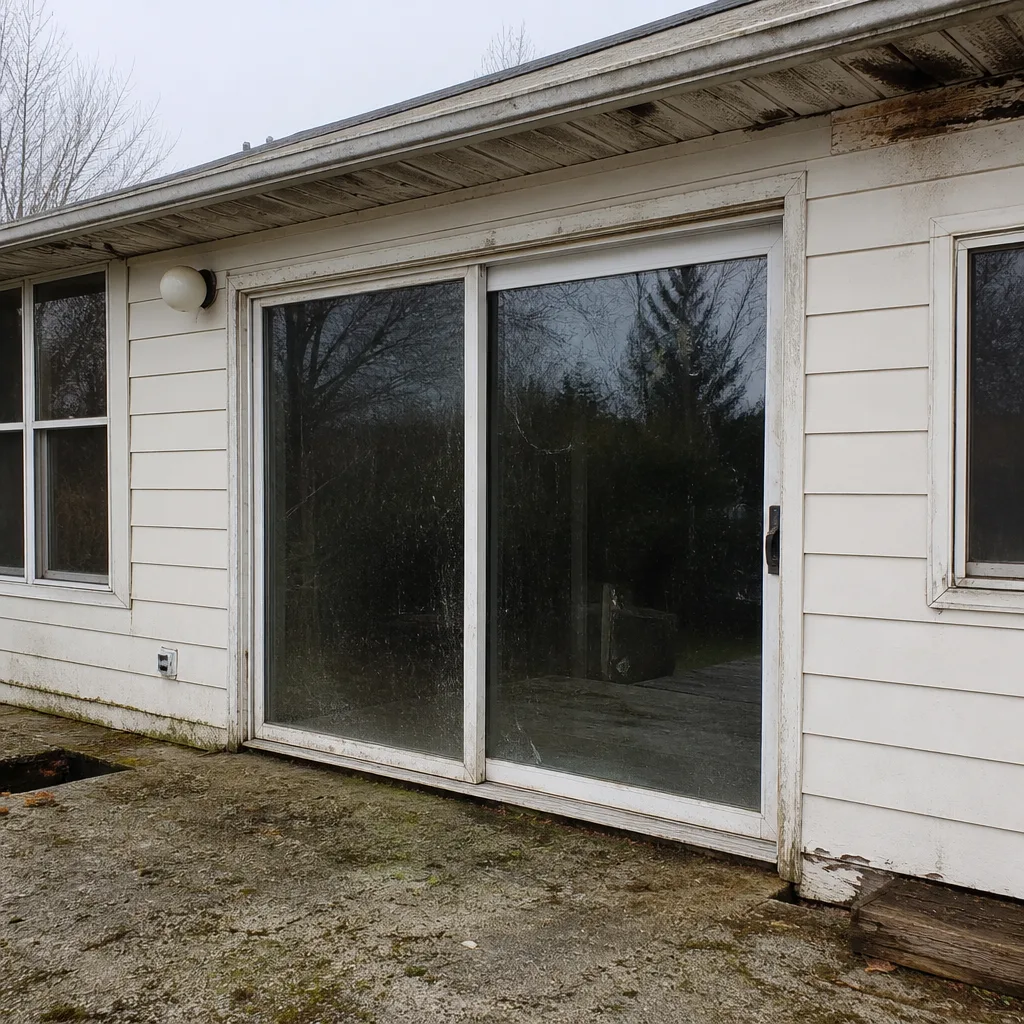 Before
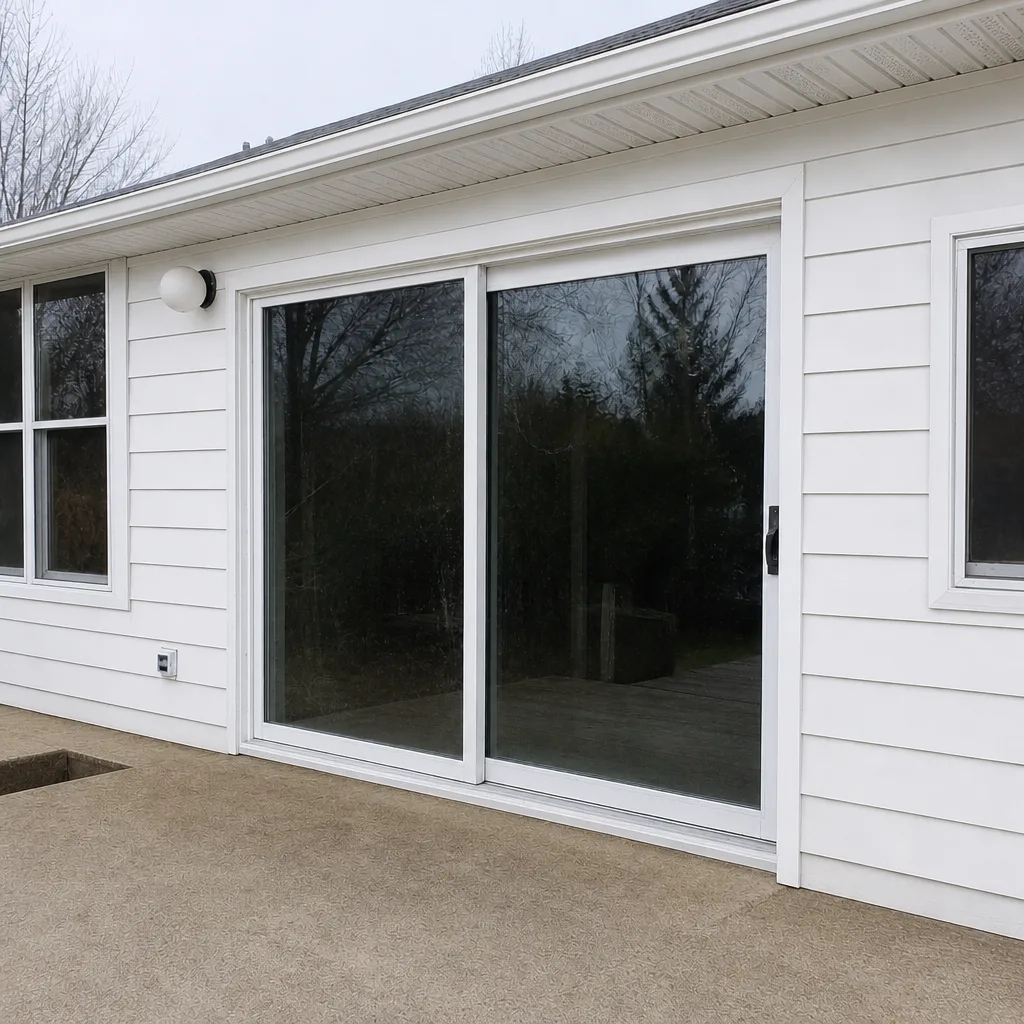 After
When to Call a Professional
Call a professional when you’re replacing more than a single opening, when the opening is on a wind-exposed elevation, when the glass or frame is already showing seal or moisture failure, or when the project needs a permit pulled and inspected. Age of the home doesn’t decide it; condition and exposure do. If you’re not sure whether a window is failing or just condensing, a walk-through answers it quickly. Window Replacement Kent offers free estimates in Kent with a written line-item quote, so you know exactly what’s being specified and why before you commit. Call (253) 480-6913 to schedule yours. Our technicians have up to 9 years of experience, and the local pro is licensed and insured as the state requires.
Frequently Asked Questions
Fiberglass is the best all-round choice for Kent’s thermal swing, because it expands and contracts far less than vinyl and survives the wet-winter/dry-summer cycle with less wear on seals. Vinyl is a strong budget option for sheltered north-facing windows, and aluminum-clad is best where slim sightlines and large glass matter. The right answer changes by elevation.
Not universally, but exposed valley-floor homes in Kent can warrant a higher DP rating on south and southwest elevations than a sheltered Seattle lot. The correct approach is to match the DP rating to the actual opening and its wind exposure, not to the region as a whole. Ask your installer for the rated DP and water penetration numbers in writing.
Pricing in Kent varies with the frame material, glass package, and number of openings, and it’s best quoted as a written line-item estimate after a walk-through. Every quote from Window Replacement Kent includes a fixed written price with no change orders once work starts. Call (253) 480-6913 for an exact quote – estimates are free.
Yes, and we recommend it because the whole exterior envelope gets handled in one sequence: permits pulled, products ordered together, and installation scheduled by elevation and season. Door replacement typically follows window installation on the same elevation so the weather seals are complete on each opening. We take jobs of three openings or more.
Fiberglass holds up best to Kent’s freeze-thaw cycle because it doesn’t absorb moisture, doesn’t warp, and keeps its weather seal through repeated temperature motion. Steel works well on sheltered entries with a thermal break, and wood is the highest-maintenance option for the exterior finish. The exposed entries decide the material before style does.
Most cities, including Kent, require a permit for window and door replacement because you’re altering openings in the building envelope. Confirm the current requirement with the city’s building department before ordering product. We pull the permits for the work and manage the inspection, so you’re not chasing the paperwork. Call (253) 480-6913 and we’ll walk through the permit step on your free estimate.
The Bottom Line
Kent isn’t a generic Pacific Northwest install, and the right window or door for your home depends on elevation, exposure, and frame material rather than a regional average. South and southwest openings take more driven rain and deserve the higher DP rating and tighter detailing. Fiberglass handles the thermal swing and freeze-thaw best, with vinyl and aluminum-clad doing specific jobs well. A multi-brand specialist can match the product to each opening instead of selling one line, and sequencing permits, lead times, and installation windows correctly protects the budget. Get a free written estimate from Window Replacement Kent, then decide.
Contact Us
Ready to price out windows and doors built for Kent’s climate? Call (253) 480-6913 for a free estimate and a written line-item quote. We’ll walk each opening, map the exposed elevations to the right product, and give you a fixed price with no change orders. Eight brands, one installer, and a specialist who does only windows and doors. Call today to schedule yours.
Written by the team at Window Replacement Kent.