Last updated November 25, 2026
 Sliding glass doors
 Single hung
 Double hung
 Horizontal roller
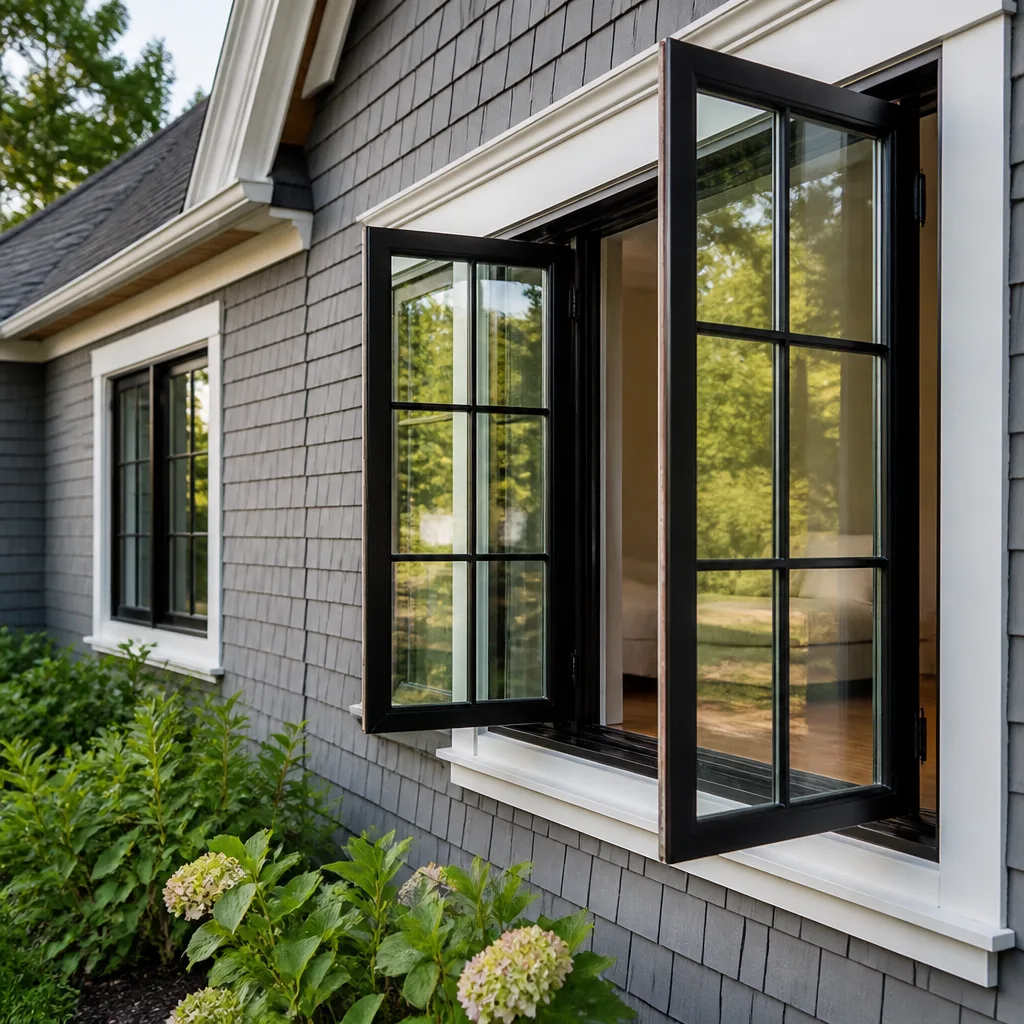 Casement
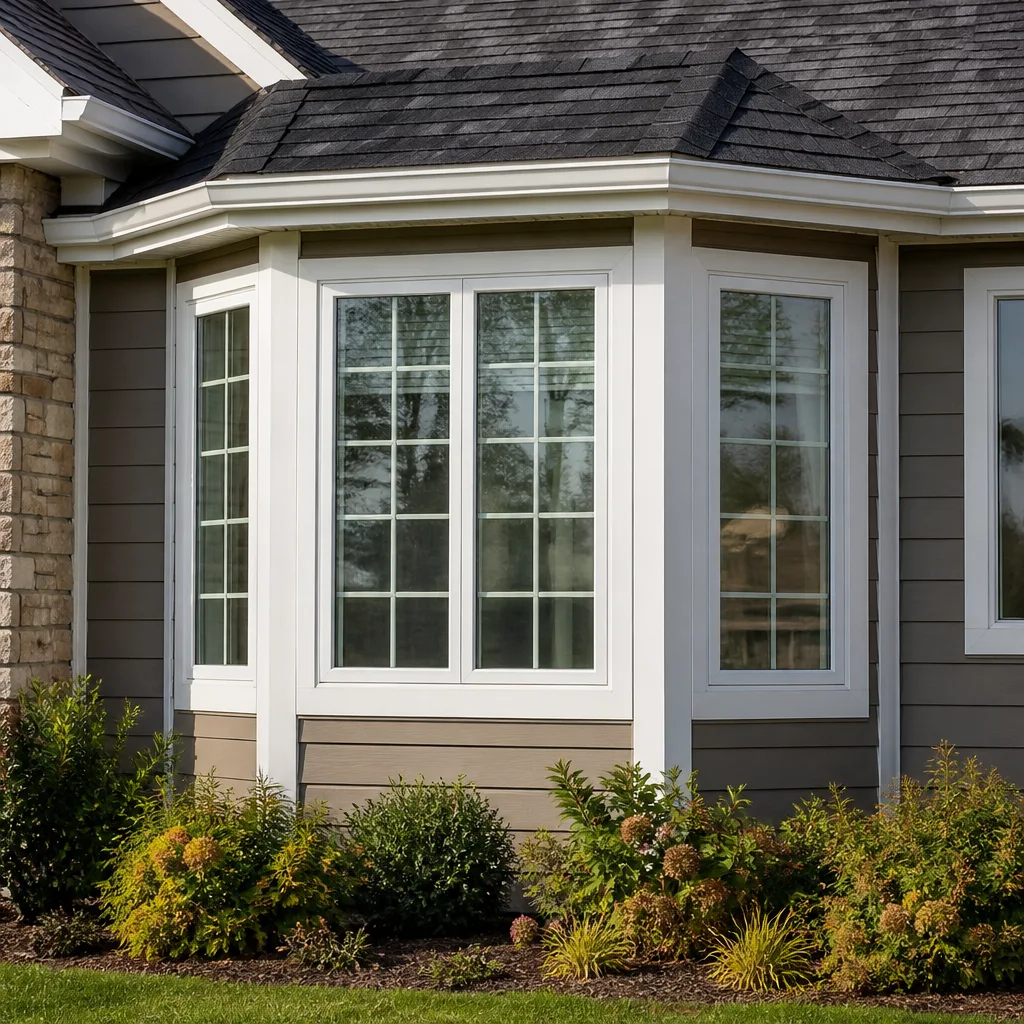 Bay & bow
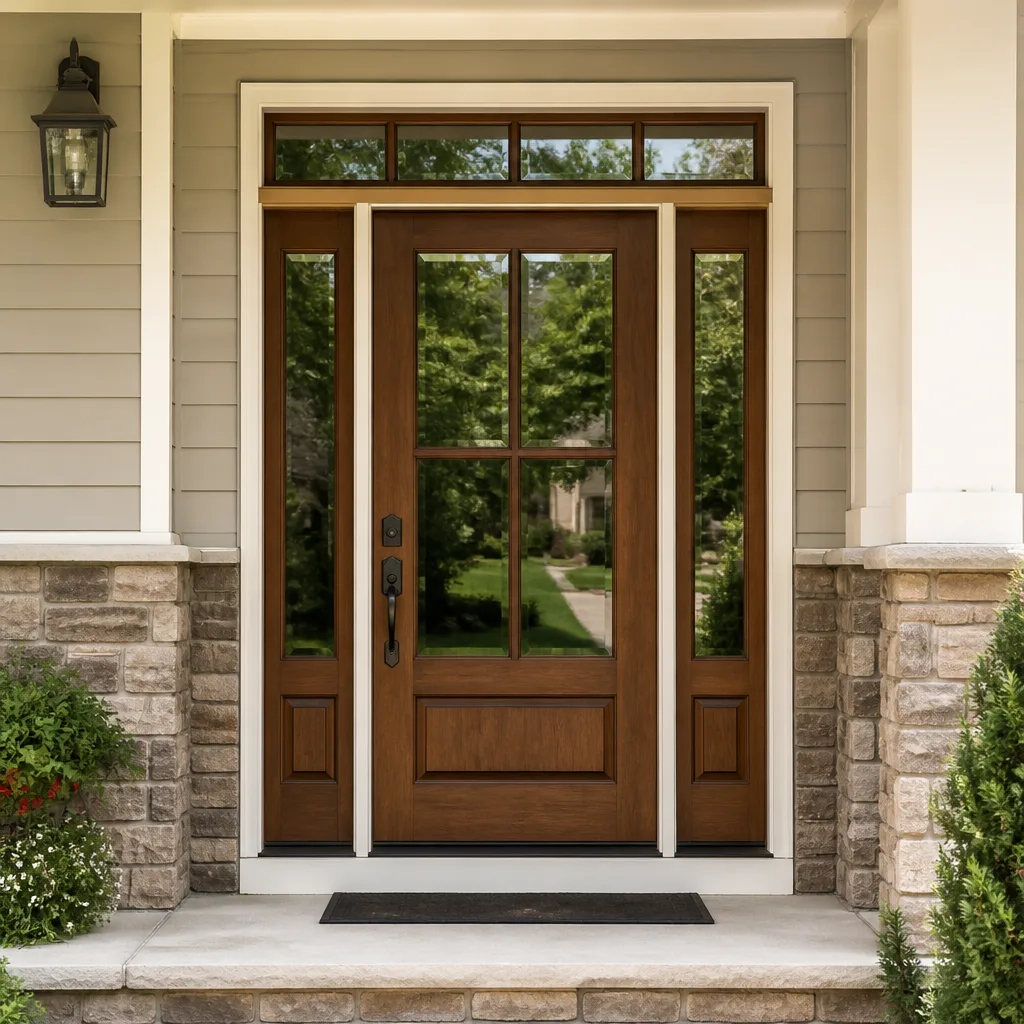 Entry doors
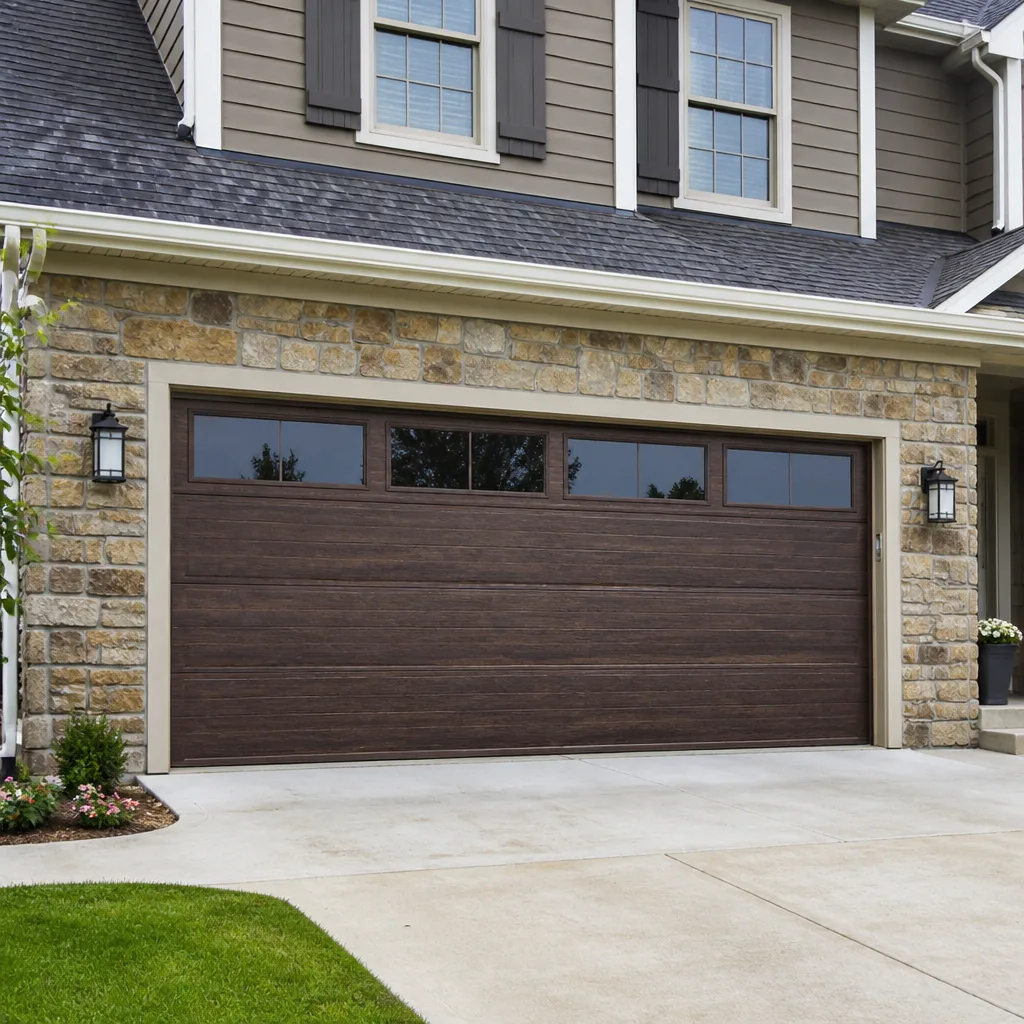 Impact garage doors
 PGT
 CGI
Free in-home measure and quote - PGT, CGI and CWS impact lines compared on your actual openings, style by style
Get your free estimateWindows & Doors Warning Signs: A Kent Homeowner’s Reference Guide
The window that floods your wall cavity during a Kent winter storm usually didn’t fail suddenly. It showed paint lifting at the exterior sill corner first, then a faint sheen on the interior jamb, then a gap in the bedding compound, in that order, over roughly 18 months. Most guides list drafts and high energy bills as the top warning signs. That’s accurate and nearly useless, because by the time you feel a draft through the frame, the damage behind the trim has been building for years. This reference guide works backward from the early signals a Kent homeowner can spot two to four years before a window or door becomes an emergency. You’ll learn how each frame material fails, how to tell a bad glass unit from a bad frame, and which warning signs on a door point to frame movement rather than a worn lock.
Quick Answer
The earliest warning signs of a window nearing replacement are paint lifting at exterior sill corners, a paint sheen or dark line on the interior jamb, hardware that suddenly feels loose or gritty, and condensation that appears on the glass edges rather than the center. On doors, watch for water staining on the interior sill pan, a deadbolt that no longer lines up without lifting the door, and a threshold gap that changes width from one side to the other. Any one of these signals means the assembly is losing its seal, and an inspection is worth scheduling before the next storm season.
Styles & brands we work with
- Single hung
- Double hung
- Horizontal roller
- Casement
- Bay & bow
- Sliding glass doors
- Entry doors
- Impact garage doors
- PGT
- CGI
Table of Contents
- The Early-Stage Symptom Chart: Five Places to Look
- IG Seal Failure vs. Frame Seal Failure: The Distinction That Changes the Cost
- Door-Specific Warning Signs: Sill Pans, Deadbolts, and Threshold Gaps
- What Algae Growth Tells You About Weep Drainage in Kent
- How Each Frame Material Fails: Vinyl, Fiberglass, Wood, and Aluminum
- Early vs. Late: Reading a Door on a Timeline
- How to Decide Between Waiting and Replacing
- A Seasonal Inspection Routine for Kent Homes
The Early-Stage Symptom Chart: Five Places to Look
A window gives you five reliable places to check its health, and each one reports on a different part of the assembly. Exterior paint reports on the sill and bedding compound. Hardware feel reports on the frame’s squareness and the integrity of the operating mechanism. Operation sound reports on seals and weatherstripping. Condensation location reports on whether the failure is inside the glass unit or at the frame. Frame flex reports on structural attachment and rot. Check all five, and you’ll get a picture long before a draft shows up indoors.
Here’s what each one looks like in the early and late stages:
- Exterior paint: Early, paint lifts or blisters at the outside sill corner where water sits longest. Late, paint peels across the full sill and the wood beneath feels soft to a fingernail.
- Hardware feel: Early, a latch or crank feels slightly loose or gritty. Late, the handle turns with visible effort or the sash won’t stay open on its own.
- Operation sound: Early, a soft scrape or a faint whistle at the edges in wind. Late, a pronounced rattle and a draft you can feel with your hand.
- Condensation location: Early, condensation appears inside the glass along the bottom edge or between the panes. Late, moisture forms on the interior frame and jamb, not just the glass.
- Frame flex: Early, pushing the frame near a corner moves it slightly. Late, the frame gives noticeably and the reveal around the sash is uneven.
In Kent, our wet winters push moisture into the sill corner more than almost any other spot on the assembly. That’s why the exterior sill paint in the chart comes first. It’s often the very first thing to change on a Kent home, roughly a full year before anything shows indoors. Walk the exterior of your house after a rain and look at the bottom corners of every window. If you see lifting there, note the date and watch it.
What we’ve seen across many Kent properties is that homeowners who start this five-point check and revisit it each season catch failures while the fix is confined to one opening. The ones who wait until the draft indoors notice it end up with damage that reaches the framing.
IG Seal Failure vs. Frame Seal Failure: The Distinction That Changes the Cost
These two failures look nearly identical from inside the house, and they have very different cost consequences. An IG (insulated glass) seal failure is a problem inside the sealed glass unit itself. A frame seal failure is a problem with the perimeter where the frame meets the wall or the sash meets the frame. Confusing one for the other is how homeowners end up spending more than they needed to, or waiting too long on a problem that was already structural.
Here’s how to tell them apart:
- Look at where the moisture is. Fog or condensation between the panes points to IG seal failure. Moisture on the interior glass surface or the frame points to a frame seal issue.
- Check for a hazy film. A cloudy, milky residue visible between the panes is classic IG seal failure. It won’t wipe off from inside because it’s trapped in the sealed unit.
- Inspect the perimeter with a hand. Run your hand slowly around the interior trim and the frame corners. Any coolness or dampness at the corners suggests the frame seal is the problem.
- Watch for water at the reveal. Water pooling on the interior sill or darkening the jamb is almost always a frame seal failure, not a glass one.
- Note the window’s age and material. Older wood frames in Kent tend to develop perimeter failures first; newer units with intact frames more often fail at the glass seal.
The practical difference is scope. A failed IG seal on a properly functioning frame is a glass-and-sash issue, and it doesn’t call the entire window assembly into question. A frame seal failure means water has a path past the frame and into the wall, and that’s an envelope problem. Left alone, frame seal failures in Kent’s wet climate progress to rot in the rough opening and can reach the sheathing.
When the frame is the failing part, the right answer is a new window rather than patching around a compromised assembly. A specialist installer will confirm which failure you have before quoting, and that’s the check to insist on. If you want to understand what a full frame replacement involves, our guide to window replacement walks through the process from measurement to finished trim.
Door-Specific Warning Signs: Sill Pans, Deadbolts, and Threshold Gaps
Doors fail differently from windows because they take a different kind of abuse. A door is a moving part that gets slammed, leaned on, and cycled thousands of times, and it sits in an opening where wind pressure and water drainage both concentrate at the sill. The three most reliable door warning signs are sill pan water staining, deadbolt misalignment, and threshold gap patterns. Each one tells you something specific about what’s going wrong.
Sill pan water staining. Look at the interior side of the sill, right where the door meets the floor. Any dark staining, a soft spot in the trim, or a white crust along the caulk line is water that got past the sill pan and is sitting where it shouldn’t. In Kent’s wet season, a failed sill pan can move water into the floor framing within a single winter. That’s the highest-priority door warning sign there is.
Deadbolt misalignment. If the deadbolt no longer slides into its strike plate without you lifting or pushing the door, the frame has moved. A door that’s been square for years doesn’t suddenly drop out of alignment unless the hinge side is sagging or the frame has racked. That’s a structural warning, not a lock problem.
Threshold gap patterns. Stand inside on a dry day and look at the line of daylight under the door. A gap that’s even across the width is weatherstripping wear. A gap that’s narrow on one side and wide on the other is a sign of frame racking, where the opening is no longer rectangular. Racking shows up early in the way the door drags at one corner before it shows in the threshold itself.
Sliding doors give you one more check: run a straightedge or a level along the track and look for any variation from one end to the other. When you eventually replace that opening, the product matters as much as the install. Our door replacement page covers entry and sliding replacements and which brands suit which application, including Therma-Tru on the entry side.
What Algae Growth Tells You About Weep Drainage in Kent
Green or black algae streaking on the exterior face of a window or along a sliding door track is one of the most useful and most ignored warning signs a Kent homeowner has. It’s not cosmetic. Algae needs a sustained water film and organic material to grow, so when it appears on and around a window or door, it’s telling you that water is sitting on the assembly instead of draining away through the weep system the way it should. Weep drainage failure is an early-stage problem. It shows up before water intrusion into the wall cavity, which means it’s a window to act.
Window and door assemblies have small drainage channels and weep holes designed to let water escape to the exterior while keeping wind and insects out. When those channels clog with pollen, dirt, or failed sealant, water backs up and pools on horizontal surfaces. Algae takes hold on that wet film, especially on the north and east faces where Kent’s prevailing moisture lingers longest. In our experience, algae streaks on a sill or a door track are among the most overlooked early clues we’re called out to look at.
Here’s how to read the pattern:
- On the exterior sill: Algae under the sash or along the sill surface means water is no longer exiting the weep channel cleanly.
- In the sliding door track: Green growth in the track means debris and moisture are trapped there, and the track drains are blocked.
- Algae concentrated at one corner only: That corner is holding water while the rest drains, so check the level of the frame and any caulk gap in that area.
- Streaks running down the face: Water is sheeting across the surface instead of exiting at the sill, sometimes from a clogged upper weep or a gasket that’s no longer sealing.
- Algae plus peeling paint in the same area: Now you’re seeing the early frame seal failure described earlier, and it’s time for an inspection.
A home in Kent that’s had algae at the same window for two or three seasons is telling you the drainage has been compromised for a while. Cleaning the surface won’t fix the cause. If the weep system can’t be restored and water is already reaching the frame, a replacement is the right path, and our window installation page explains what a properly drained new opening looks like.
How Each Frame Material Fails: Vinyl, Fiberglass, Wood, and Aluminum
Frame material is the single biggest factor in what a failing window looks like, because each material degrades in a different way and shows it at a different point. Knowing your material tells you which warning signs to check first and how much time you probably have.
Vinyl
Vinyl frames don’t rot, which throws a lot of homeowners off. What they do instead is move. Vinyl expands and contracts with temperature more than any other common frame, so in a Kent climate it can warp slightly at the corners and seams over time. Early warning signs are visible gaps or hairline cracks in the welded corner seams, a sash that doesn’t quite meet the frame at one corner, and a faint rattle in wind. Late-stage vinyl failure shows as visible bowing along the sill, a latch that no longer catches, and condensation collecting at the interior jamb where the seal has opened. Vinyl also gets brittle with age under UV, so a frame that’s been in place a long time can crack at impact rather than flex.
Fiberglass
Fiberglass is dimensionally stable and resists rot, but its failure mode is quieter than vinyl. The frame itself tends to hold, while the seals, weatherstripping, and gaskets age out around it. Early signs are a soft scraping sound during operation, weatherstripping that’s lost its spring, and slight condensation at the sash edges. The one fiberglass-specific warning to know is cracking at the corner joints where the frame pieces meet, which happens when the assembly takes repeated stress. Late-stage fiberglass failure is water working its way behind the frame because the perimeter seal has failed, which shows up as paint or caulk failure on the exterior trim rather than in the frame itself.
Wood
Wood is the most forgiving frame to read, because it shows you everything. Early wood failure is paint lifting at the sill and exterior corners, then a dull sound when you tap the sill with a knuckle instead of a solid knock. Late wood failure is soft wood you can press a fingernail into, mold staining on the interior jamb, and stains spreading into the drywall around the opening. In Kent, wooden windows on the north and west elevations see the most sustained moisture and will show these signs first. Wood windows are the most likely to give you years of warning before the failure reaches the wall, and the least likely to warn you at all if you don’t look at the exterior paint each season.
Aluminum
Aluminum frames don’t rot or warp, and they fail at the connections and the thermal breaks. Early signs are condensation on the interior of the aluminum frame itself, which you’ll notice before glass fog, and a gritty feel in the hardware. Late-stage aluminum failure is sealant failure at the perimeter, water staining at the interior reveal, and sometimes a white chalky residue on the frame where the finish is breaking down. Aluminum is also the most likely material to show thermal movement as a slight rattle during temperature swings. If your aluminum windows are giving you condensation on the frame interior in Kent’s wet months, that’s an early signal worth having checked.
Because failure patterns differ so much by material, a good inspection starts with identifying the frame before reading the symptoms. When the material is failing enough to warrant replacement, the product choice should follow the same logic: match the material to how your home actually takes the weather, not to what’s on a sales sheet. ECO Window Systems and ViewLux both make frames suited to different performance needs, and Mr-Glass products give budget-focused homeowners a straightforward entry point. The full lineup we carry, from impact-rated PGT and CGI to energy-efficient ECO Window Systems and the Therma-Tru door line, means we can recommend the material that fits your opening rather than steer you to a single default product. For the bigger picture on how we approach product selection, our window and door specialist page lays out the full scope.
Early vs. Late: Reading a Door on a Timeline
A door doesn’t go from fine to failing overnight. It walks through a sequence, and each step corresponds to a different kind of fix. Reading the timeline correctly tells you whether you’re looking at a quick adjustment or a full replacement.
- Stage one, feel: The door starts to drag slightly at one corner or needs a light nudge to latch. This is hinge wear or early frame movement. Often the cheapest point to catch.
- Stage two, alignment: The deadbolt no longer lines up without lifting the door. The frame has moved, and it won’t fix itself.
- Stage three, weather: Daylight shows under one side of the door, weatherstripping on the windward side wears out faster, and you feel a draft in wind. The opening is out of square.
- Stage four, water: Staining appears on the interior sill pan or along the threshold. Water is getting past the sill, and this is where the problem becomes structural.
- Stage five, frame: Soft trim, movement in the jamb, or visible rot at the bottom of the frame. At this point the opening needs new construction, not an adjustment.
Kent doors live a harder life than doors in a dry climate because the wet season works the sill and threshold constantly. The dry-to-wet swing in the fall is when the gap patterns and deadbolt alignment become most obvious. If you’re in stage one or two, have it inspected so you know what’s moving. If you’re in stage three or beyond, that’s the point where replacement is the honest answer, and the door product you choose (an entry door, a sliding glass door, or both) should come after you’ve confirmed the opening can be brought back to square.
One more thing worth knowing: the door warning signs are more reliable at predicting trouble than most people expect. A deadbolt that’s been misaligned for a full season is a more direct indicator of frame movement than any visual check you can make from inside the house.
How to Decide Between Waiting and Replacing
The honest answer is that it depends on where you are on the timeline, not on how the window looks today. Replacing a window or door because of a cosmetic issue is a waste. Waiting on a structural issue is expensive. The decision comes down to a few signals that point clearly in one direction or the other.
Waiting is reasonable when:
- The only symptom is condensation between the panes and the frame itself is sound.
- Paint, caulk, or weatherstripping needs refreshing but the frame is solid and square.
- The hardware is worn but the sash and frame relationship hasn’t changed.
Replacing is the right move when:
- Water is getting past the sill or threshold into the interior.
- The frame is out of square, visibly bowed, or soft to the touch.
- You’re seeing multiple warning signs on the same opening at once.
- The failure has been stable for two or more seasons without improving.
We generally recommend that a homeowner who’s seeing two or more signs on the same window or door book a free estimate rather than wait. We’ll tell you which signs matter and which don’t rather than pushing a replacement you don’t need. Our technicians have up to 9 years of experience, and the goal on every estimate is to give you a line-item written quote with the scope spelled out, so you can make the decision with real information.
Because the work on this site is windows and doors only, every opening you have is a conversation we can have at once. That makes the timing question simpler for Kent homeowners, who can get windows and doors looked at in one project instead of calling three different trades.
A Seasonal Inspection Routine for Kent Homes
You don’t need a specialty tool or a contractor to catch most failures early. You need about 15 minutes twice a year, once after the fall rains start and once in the spring. Run this checklist on every opening in the house and note anything that’s changed since the last pass.
- Walk the exterior. Look for lifting paint, blistering, or dark streaks at every sill and door threshold. Look for algae on horizontal surfaces.
- Check the corners. Press a fingernail into the exterior sill corner of each wood or vinyl window. Any softness is a note-to-self for a closer look.
- Operate every window and door. Open and close each one fully. Listen for scrapes, rattles, or changes in effort.
- Feel the hardware. Test every latch, crank, and deadbolt. Note anything that feels loose, gritty, or out of line.
- Look for condensation by location. Note whether moisture is between the panes, on the glass, or on the frame. That last one is the most important.
- Check the interior reveals. Run a hand around every interior trim and look for stains, soft spots, or a paint sheen that wasn’t there before.
- Test the threshold line. Stand inside on a dry, bright day and look for the daylight gap under each door. Note any change in width or shape.
Log what you find. The real value in this routine comes from comparing one pass to the next. A single sign that shows up once is usually nothing. The same sign showing up on two consecutive inspections is your early warning. In Kent, the fall pass is the more important of the two because the wet season will stress every opening for months. If anything on the checklist has you uncertain, a free estimate is a low-cost way to get a straight answer.
Common Mistakes to Avoid
- Judging a window by how it looks from inside. The earliest signs are on the exterior, in the sill paint and caulk, and they’re easy to skip because you don’t see them from the couch.
- Treating a foggy pane and a damp frame as the same problem. They aren’t. A failed glass unit and a failed frame seal lead to different fixes and very different costs. Diagnose before you price.
- Repainting over lifting sill paint every season. Lifting paint is the messenger, not the message. If it keeps coming back, the water path behind it is still open.
- Assuming algae on a Kent window is cosmetic. It’s telling you the weep drainage has stopped working, and that’s the step before water finds the wall.
- Ignoring a deadbolt that needs a hip-check to line up. That’s frame movement, not a lock issue, and waiting on it makes the opening harder to put back to square.
- Replacing one opening at a time across multiple years. It costs more in the long run than doing the work as one project, and it makes it harder to match products and profiles across the house.
- Getting one quote for one product. There are eight brands in our lineup for a reason. A product that fits one opening may not be the right one for the next. Ask for options, not just a price.
See the difference
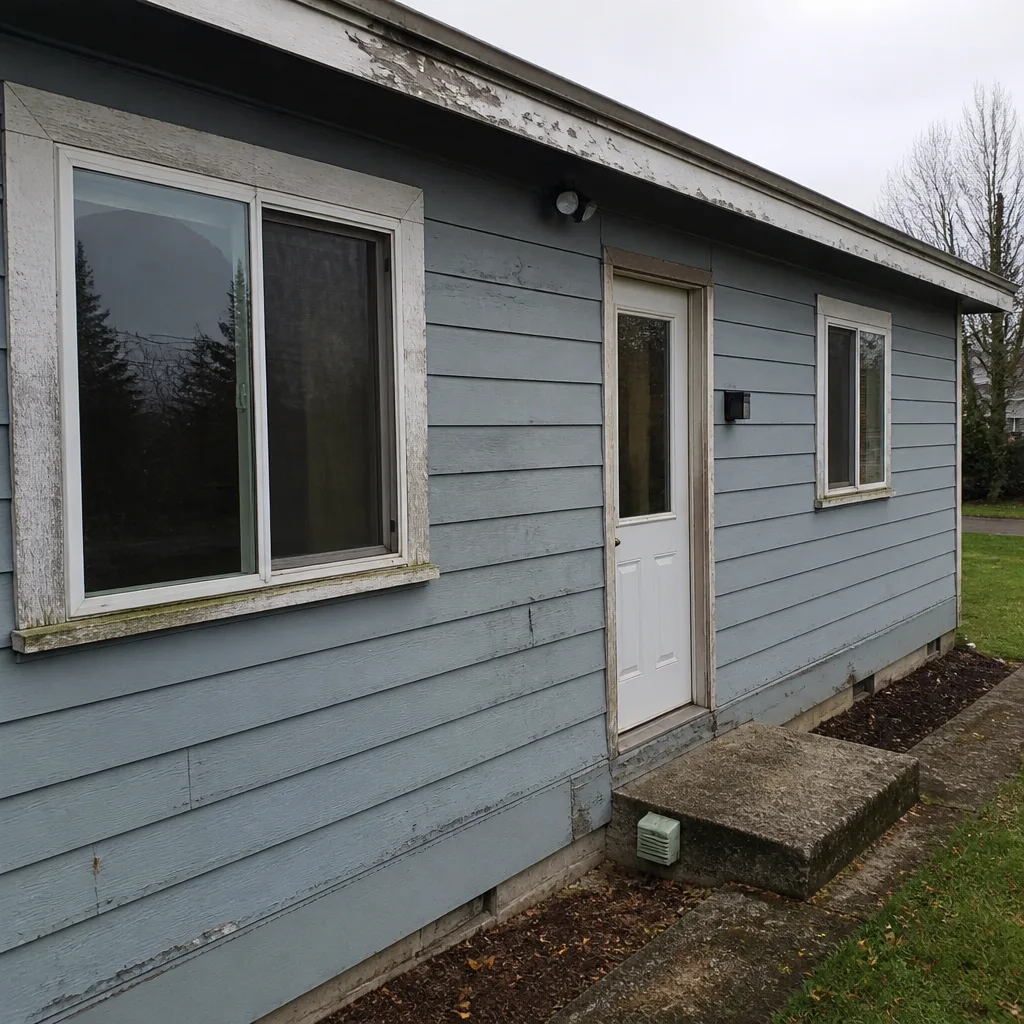 Before
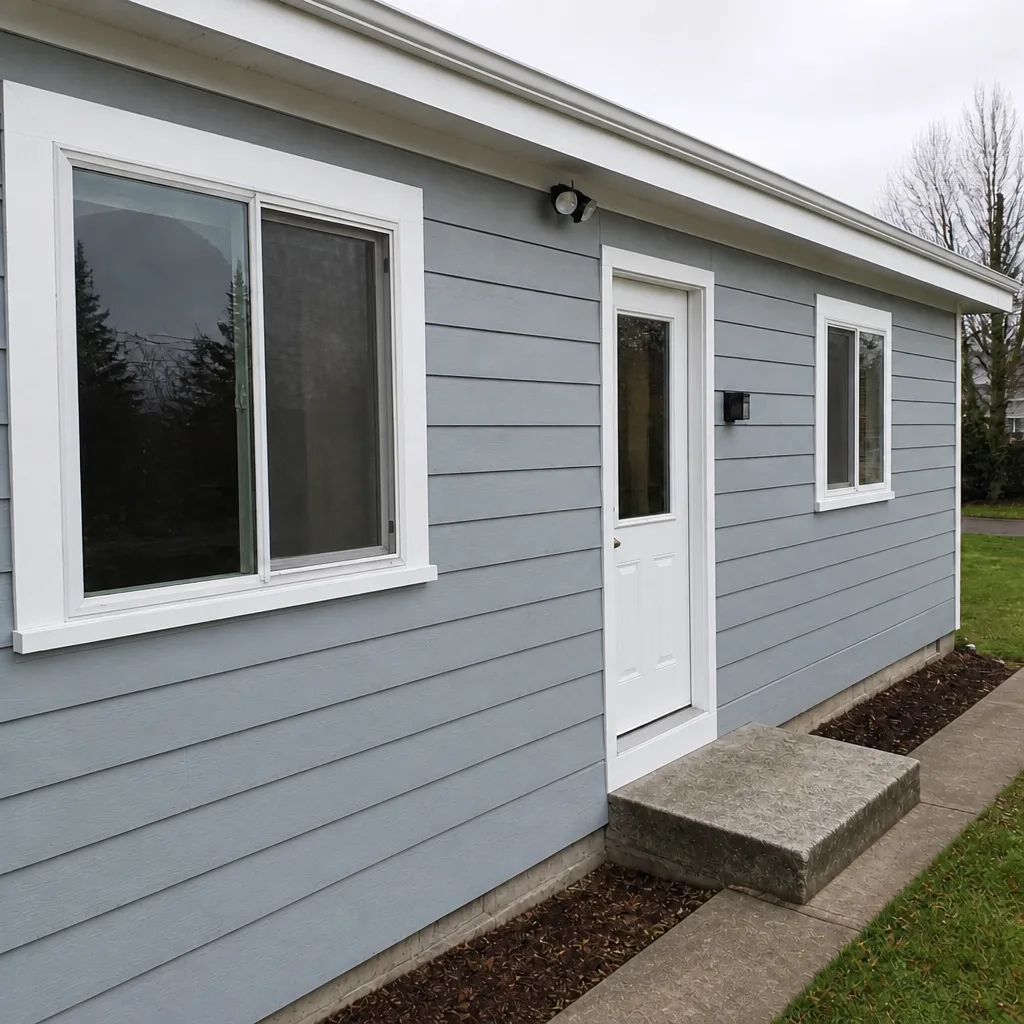 After
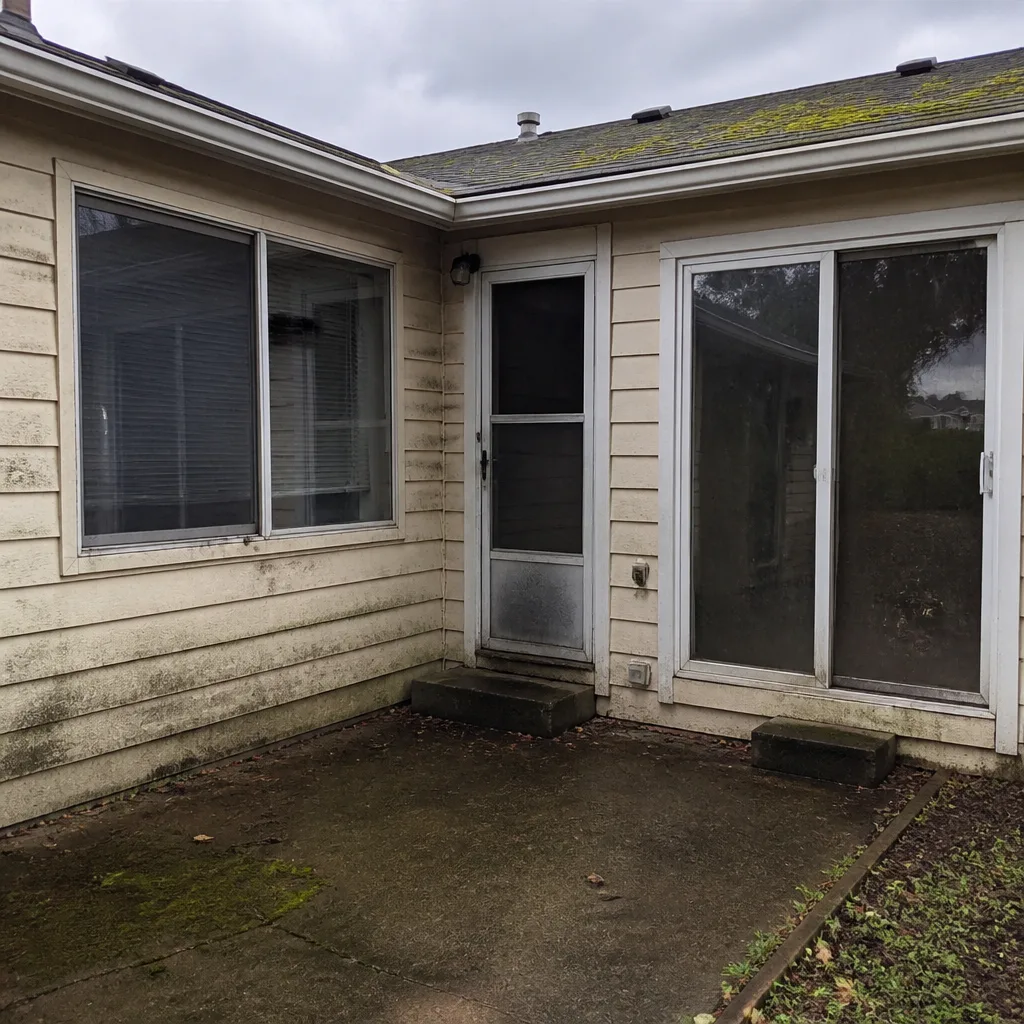 Before
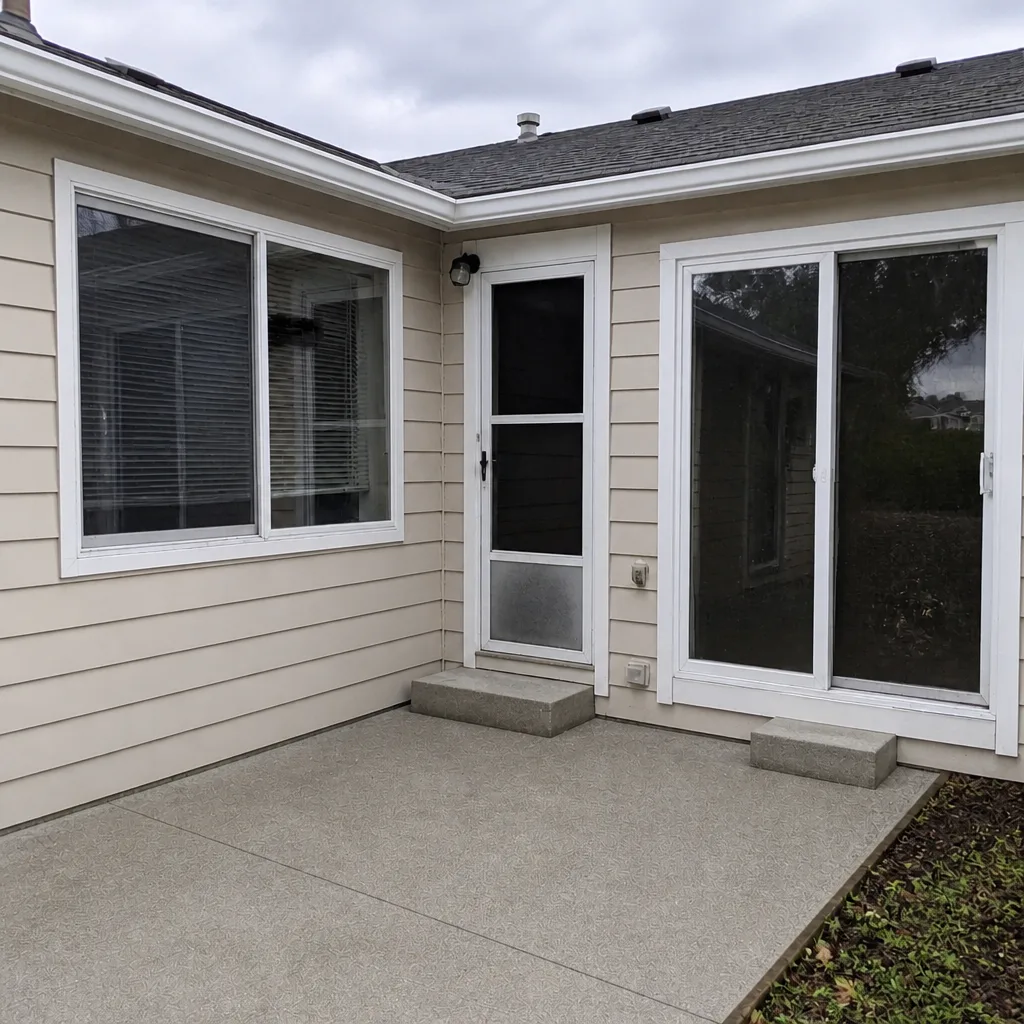 After
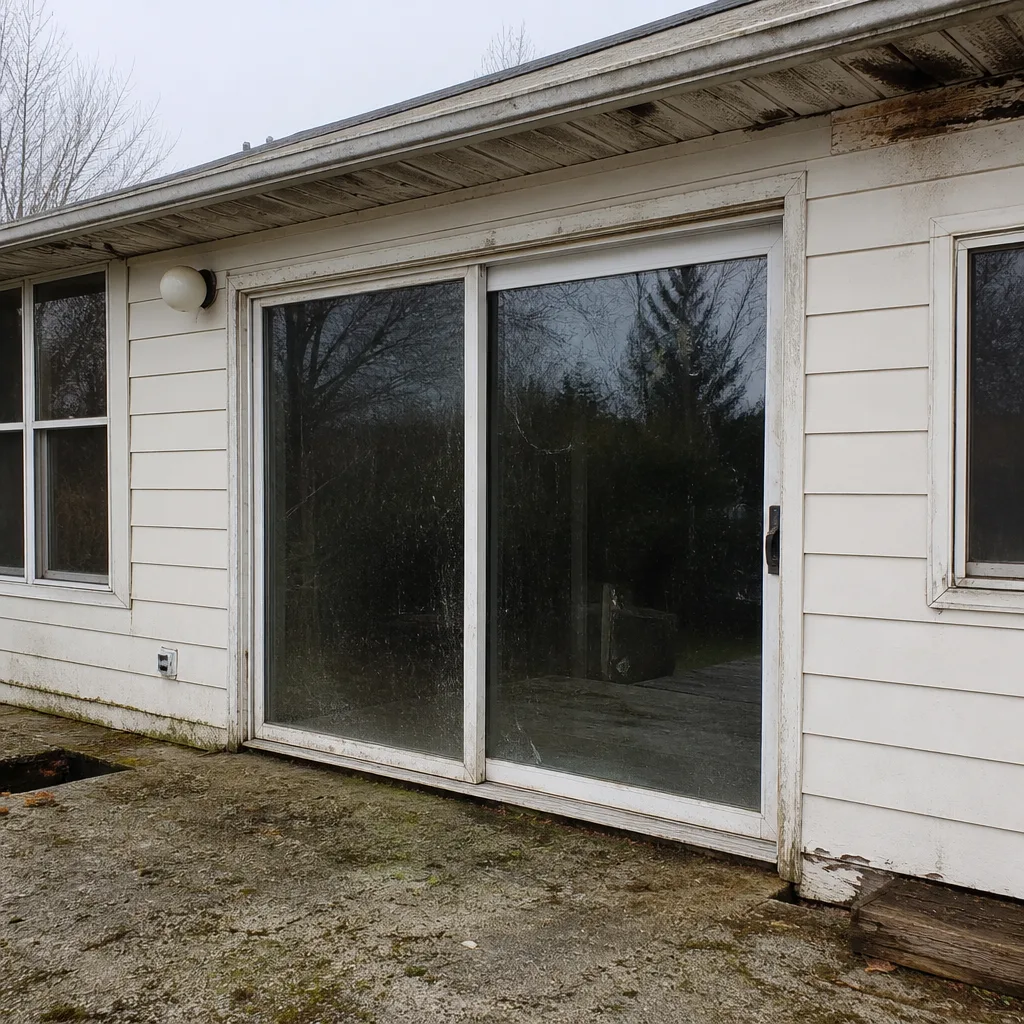 Before
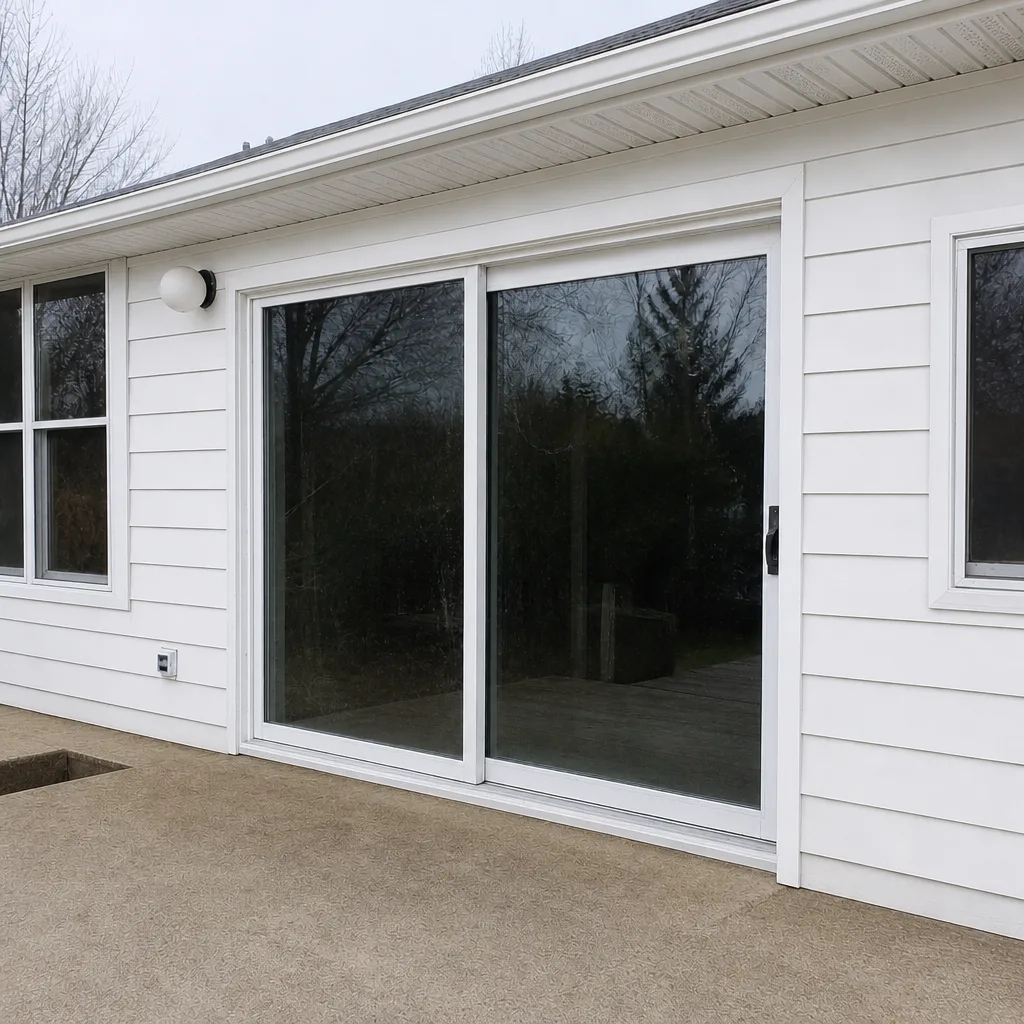 After
When to Call a Professional
Call a professional when you’re seeing two or more warning signs on the same opening, when any sign has been stable for two seasons, or when water is reaching the interior sill, threshold, or trim. Call if a deadbolt won’t line up without lifting the door, if the frame flexes noticeably when you press a corner, or if you’re unsure whether the problem is the glass or the frame. The key check is always the same: is the failure confined to the glass, or has it reached the frame and the wall behind it? A trained eye can answer that in a few minutes. Window Replacement Kent offers free estimates in Kent and a written, line-item quote so you know exactly what’s being recommended and why. Call (253) 480-6913.
Frequently Asked Questions
Exterior paint lifting at the bottom sill corner is usually the first visible sign, often a year or more before anything shows indoors. In Kent, the wet season drives water into that corner, so check there first after the fall rains begin. If you see lifting paint, note the date and watch for a matching sign on the interior jamb.
Look at where the moisture is. Fog, haze, or condensation between the panes means the IG seal inside the glass unit has failed. Moisture on the interior glass surface, the frame, or the jamb means the frame seal has failed, and that’s a bigger problem that involves the wall. A failed glass unit is a glass-and-sash issue; a failed frame seal is an envelope issue.
Yes. Algae needs standing water to grow, so growth on a sill, at the bottom of a window, or in a sliding door track means the weep drainage has stopped working and water is pooling where it shouldn’t. That’s an early signal, and it shows up before water intrusion begins. If the drainage can’t be restored, replacement is the right path.
It means the door frame has moved. A deadbolt that won’t slide into its strike plate without lifting or pushing the door is a structural signal, not a lock problem. It’s usually the second stage of door failure, after a slight drag at one corner, and it gets harder to correct the longer it’s left.
Doing it as one project is usually the better call. Every opening gets measured and quoted against the same product lineup, and you avoid paying for mobilization multiple times. Because we handle window replacement, installation, sliding door replacement, and entry door replacement, we can quote every opening in one estimate. The replacement minimum is 3 openings for windows.
Early signs usually give you two to four years before a window or door becomes an emergency, and the timeline depends on the material and the side of the house. Signs on a north or west elevation in Kent tend to progress faster because they stay wet longer. The right move on any early sign is a free inspection so you know where you stand.
The Bottom Line
The warning signs that matter most are the quiet ones. Paint lifting at an exterior sill corner, a paint sheen on an interior jamb, algae on a window ledge or door track, a deadbolt that needs a push to line up. None of these feel urgent. That’s the point. They’re the early indicators that appear two to four years before a window or door becomes a real emergency in a Kent home. Check your openings seasonally, know which frame material you have and how it fails, and distinguish a bad glass unit from a bad frame before you price anything. When you want to know what a new window or door will look like on your home, call (253) 480-6913 for a free estimate. We’ll walk the openings with you and tell you honestly which signs are worth acting on.
Written by the team at Window Replacement Kent.