Last updated November 25, 2026
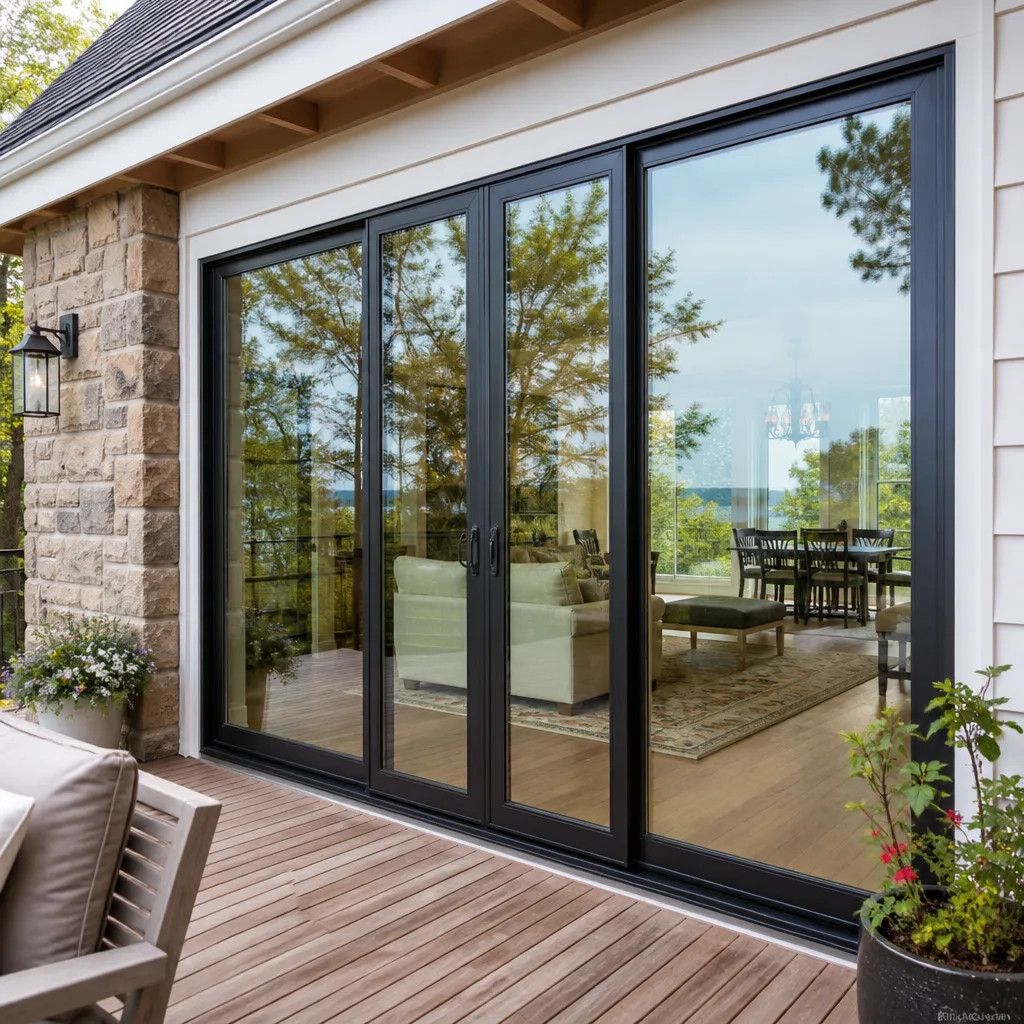 Sliding glass doors
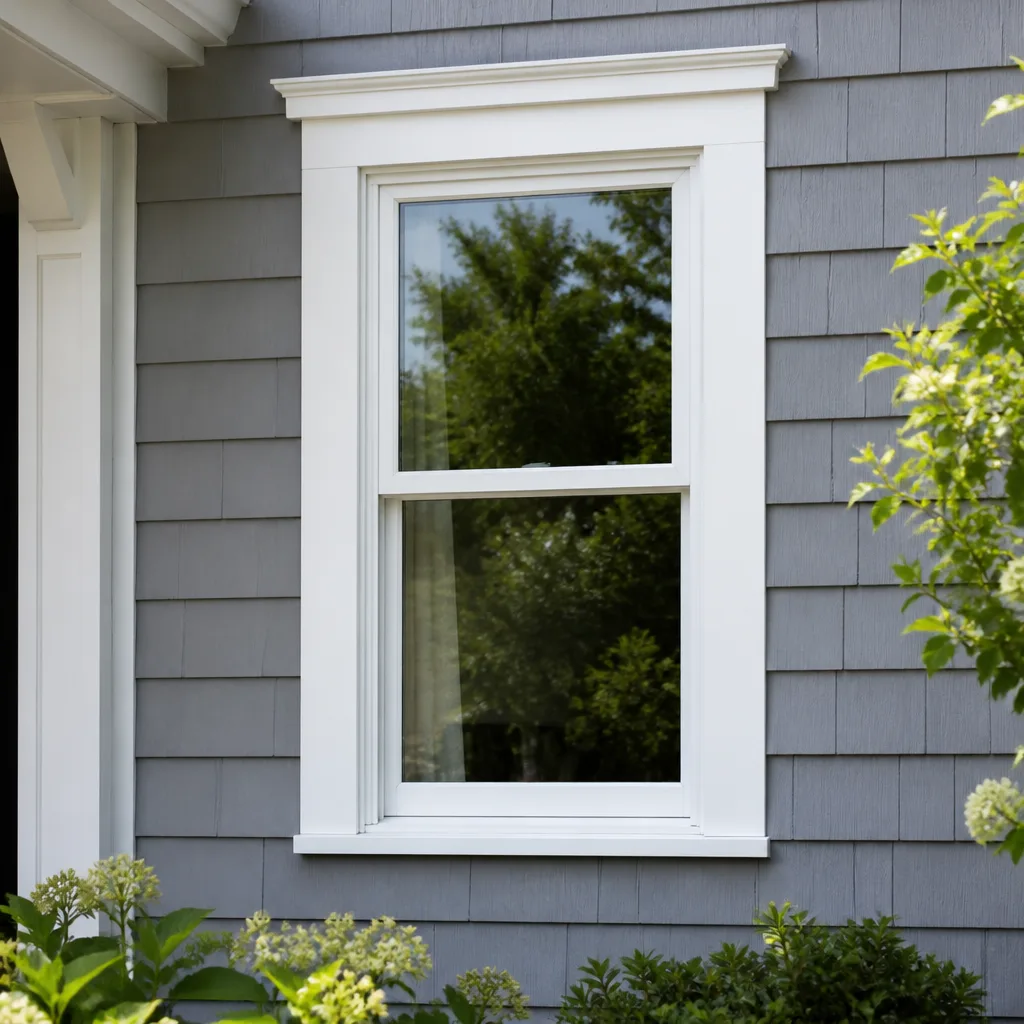 Single hung
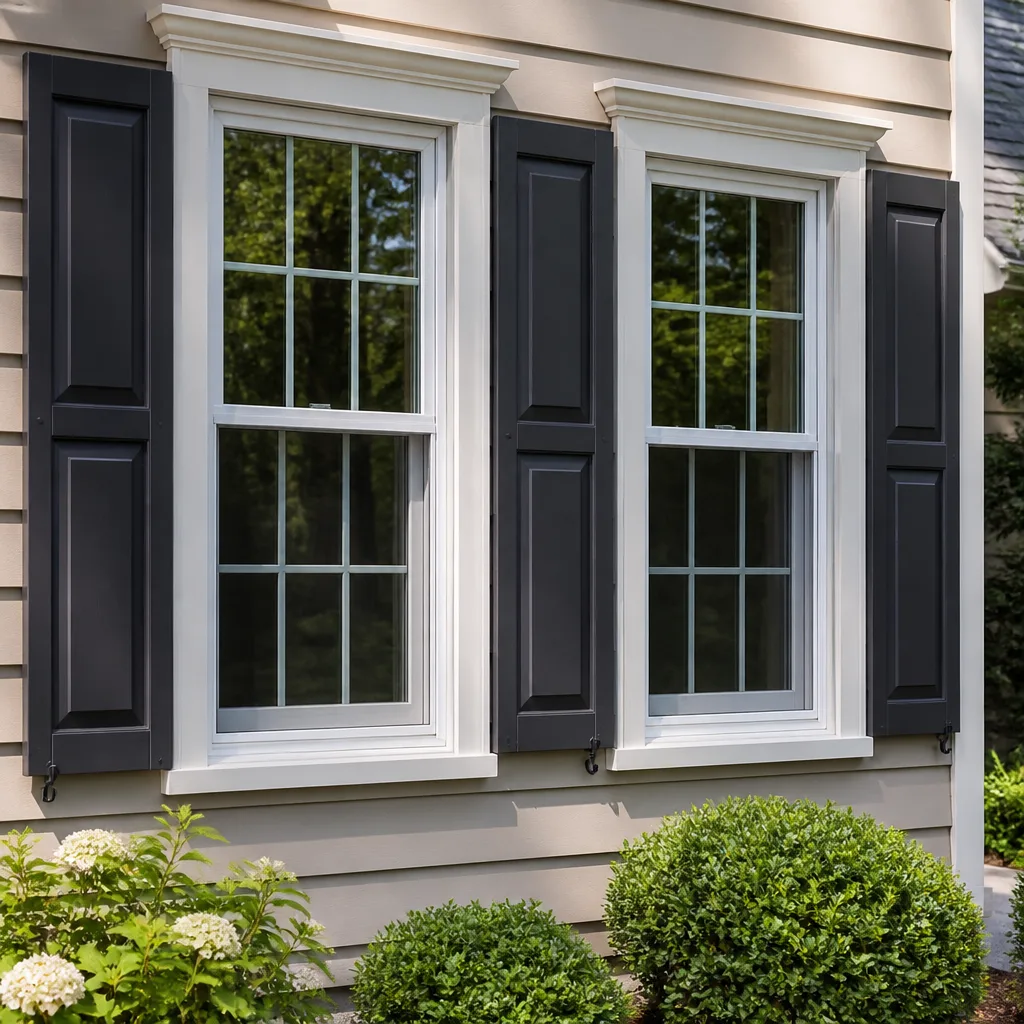 Double hung
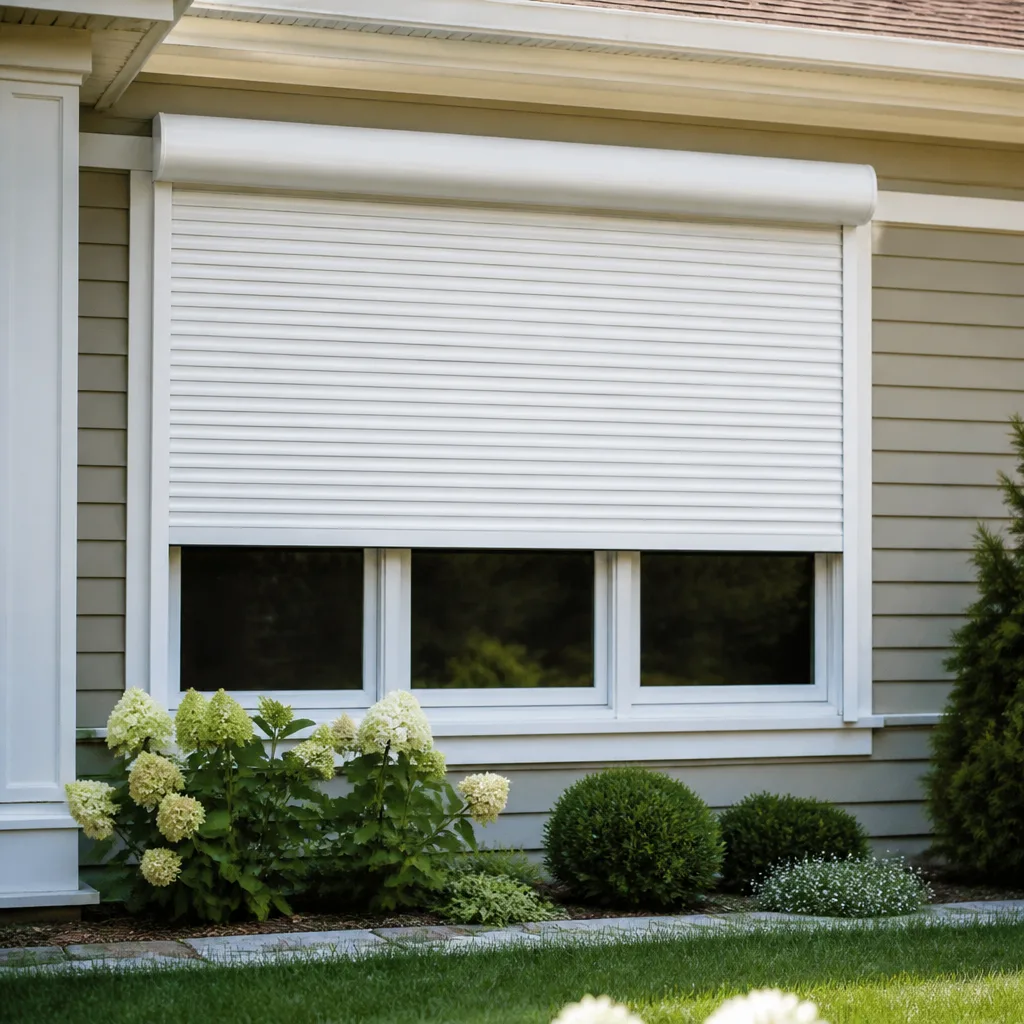 Horizontal roller
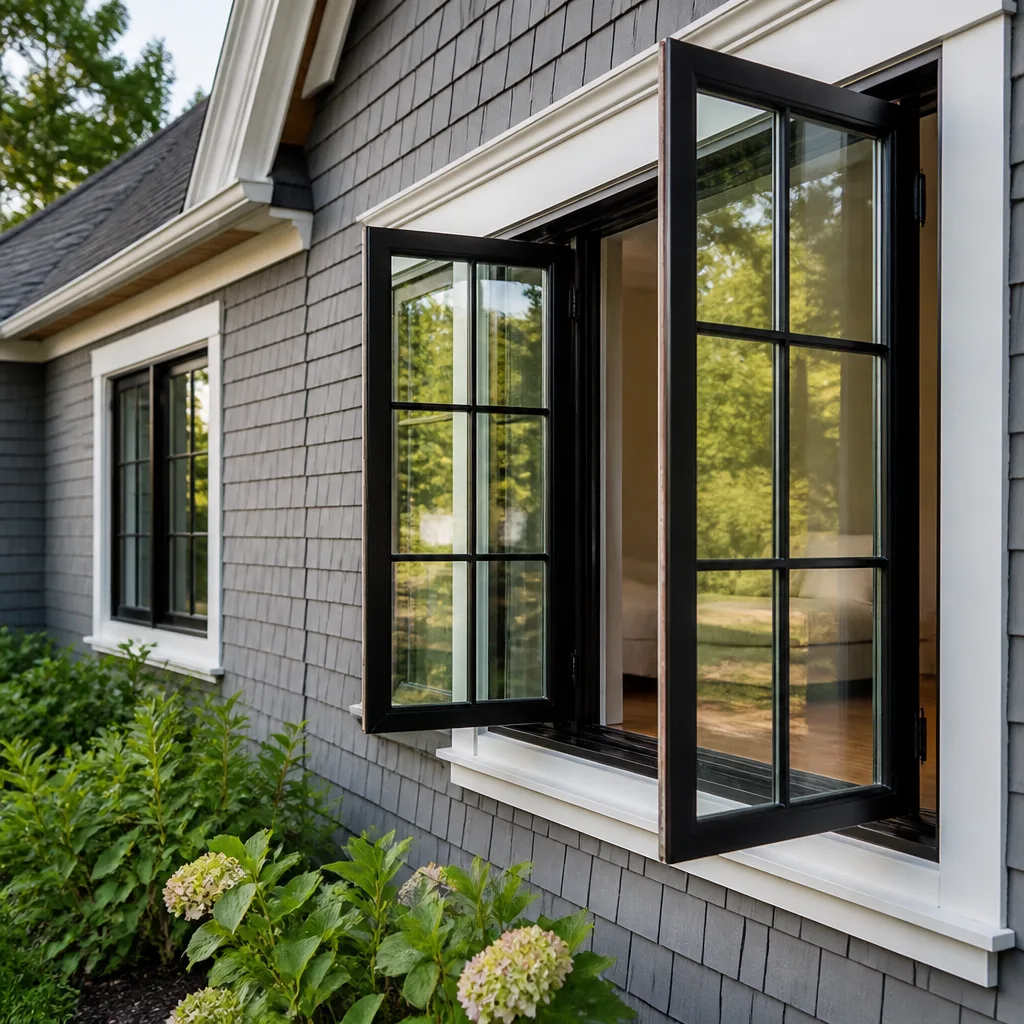 Casement
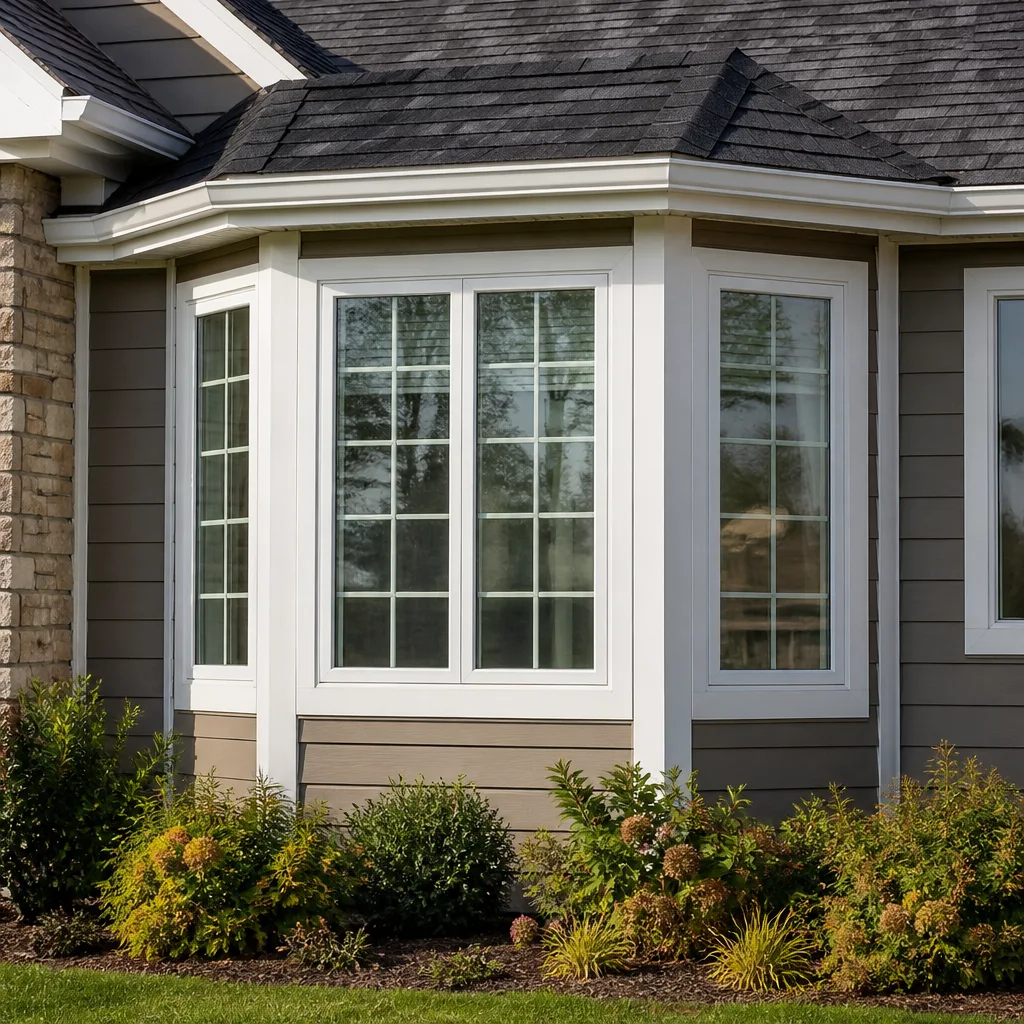 Bay & bow
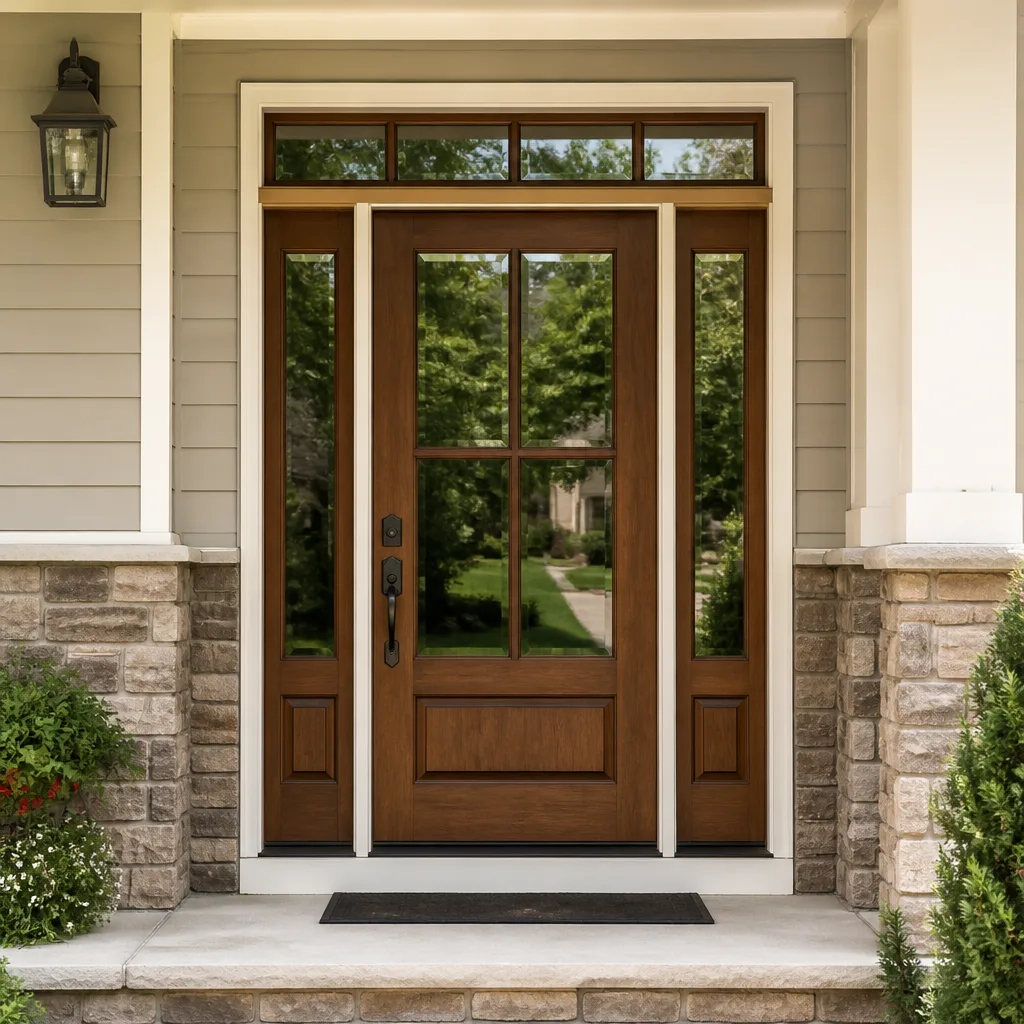 Entry doors
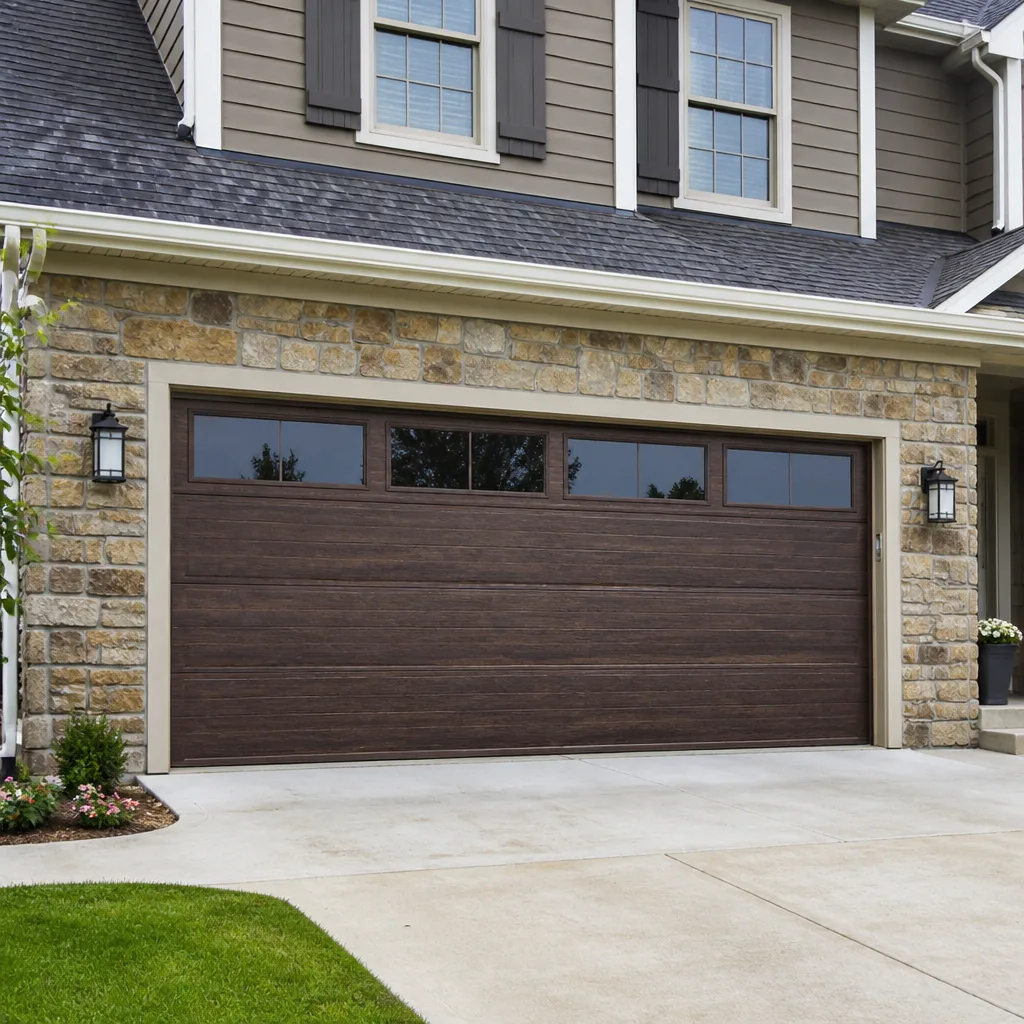 Impact garage doors
 PGT
 CGI
Free in-home measure and quote - PGT, CGI and CWS impact lines compared on your actual openings, style by style
Get your free estimateWindows & Doors Cost Breakdown: The Kent Homeowner’s Reference for 2026
Two quotes for the same standard double-hung window in Kent can land $450 apart and both be perfectly fair. That’s the part of shopping for windows that nobody explains. A $650 bid and an $1,100 bid can reflect different glass, different installation methods, or a bait-and-switch that pads the invoice once the old frame is out. Without a line-item framework, your only tool is the total at the bottom, and the total tells you almost nothing. This guide breaks down every cost component you’ll see in a Kent window or door quote for 2026, so you can compare bids on equal terms and spot the ones that leave something out.
Quick Answer
Window replacement in Kent typically runs $550 to $1,400 per opening installed in 2026, and door replacement runs about $1,200 to $4,500 depending on material and configuration. The spread between quotes for identical-looking work comes down to four things: product tier, glass package, insert versus full-frame installation, and how much the installer buried in labor and disposal. Compare quotes line by line against those four categories and the real differences become obvious.
Styles & brands we work with
- Single hung
- Double hung
- Horizontal roller
- Casement
- Bay & bow
- Sliding glass doors
- Entry doors
- Impact garage doors
- PGT
- CGI
Table of Contents
- Why Do Window Quotes in Kent Vary So Much?
- Insert vs. Full-Frame Replacement: What’s the Real Cost Difference?
- What Do Product Tiers Actually Cost in Kent?
- The Glass Package Cost Ladder
- Door Cost Breakdown: Fiberglass, Steel, Wood, and Sliding
- Financing and What It Actually Costs You
- How to Compare Two Quotes Line by Line
- Hidden Costs and What Good Quotes Include
Why Do Window Quotes in Kent Vary So Much?
The spread between the lowest and highest bid for the same opening usually has nothing to do with the window itself. It comes from four cost components, and once you separate them, you can see exactly where one installer is adding value and where another is trimming corners.
- Product tier: Entry-level vinyl, mid-range, and premium wood-clad products can differ by $250 to $600 per unit before labor.
- Glass package: Standard double-pane, Low-E, and triple-pane add different amounts per unit and matter differently in Kent’s climate.
- Installation method: Insert replacements reuse the existing frame; full-frame replacements take the whole opening down to the studs.
- Scope and margin: Disposal, trim work, flashing, permit handling, and the installer’s margin account for the rest.
A quote that looks cheap because it drops disposal and flashing isn’t cheap. It’s incomplete. In our experience, the biggest cost surprise in Kent comes from insert replacements that skip proper flashing around the existing frame, then fail at the sill within a few years. Full-frame work costs more upfront but closes the envelope properly, which matters in a region that sees steady rain from fall through spring.
The other variable is brand access. An installer who carries eight brands can fit the product to the opening and budget instead of pushing one default line. A specialist who only carries one brand has to make that brand work for every job, and the price reflects that constraint. If you want to understand what a full window replacement project involves before you start collecting bids, that scope is worth reading first.
Insert vs. Full-Frame Replacement: What’s the Real Cost Difference?
Full-frame replacement adds roughly $150 to $400 per opening in Kent labor over an insert replacement, plus the cost of new interior and exterior trim. Insert, or pocket, replacement slides a new window into the existing frame and leaves the surrounding structure alone. Full-frame takes the entire unit out, including the frame and often the surrounding siding or trim, and rebuilds the opening from the rough frame outward.
When insert replacement makes sense
Insert replacement works when the existing frame is solid, square, and free of rot. It’s faster, less invasive, and cheaper per opening. If the frame has moisture damage, hidden rot, or has settled out of square, insert work will eventually fail because the new unit inherits the old frame’s problems.
When full-frame is the right call
Full-frame replacement is the better fit when the frame is compromised, when you’re changing window size or configuration, or when the home is older and you want the envelope sealed properly at every layer. In Kent’s older housing stock, frames that look fine from inside often show soft wood or poor flashing at the exterior sill, which is exactly where Pacific Northwest rain finds a way in.
What each method includes
- Insert: New sash and frame unit, interior stop trim, new weatherstripping, minimal exterior work, disposal of the old sashes only.
- Full-frame: Complete removal of sashes, frame, and trim, new construction-grade unit, new flashing at the sill and head, new interior and exterior trim, disposal of the entire unit.
- Either method: Glass package selection, hardware, and the finish work that follows.
The per-opening difference sounds modest, but on a whole-house project that gap adds up fast. The right choice depends on what’s behind the frame, not what the salesperson prefers. We always recommend a hands-on assessment before committing, and any honest bid should state which method it’s pricing and why. For a deeper look at the difference between fitting into an existing opening and building one out properly, our window installation page covers the technical side.
What Do Product Tiers Actually Cost in Kent?
Product tier is the single biggest swing in a window quote after installation method. Entry-level vinyl, mid-range vinyl and fiberglass, and premium wood-clad lines each sit in a different price band, and knowing where a brand falls tells you how to compare one quote’s product against another’s.
Entry-level tier
Entry-level products are typically solid vinyl, standard glass packages, and basic hardware. They’re the right fit for rentals, budget projects, or openings that don’t need high performance. Typical installed range in Kent is $450 to $700 per opening for a standard double-hung.
Mid-range tier
Mid-range products use better frames, more glass options, and a wider range of styles. This is where most owner-occupied homes land. Typical installed range in Kent is $700 to $1,000 per opening, with the spread driven largely by the glass package selected.
Premium tier
Premium products include wood-clad, fiberglass, and impact-rated options. These lines are heavier, better sealed, and usually carry longer finish warranties. Typical installed range in Kent is $1,000 to $1,800 per opening, and impact-rated or high-performance glass can push that higher.
| Tier | Typical Installed Range Per Opening (2026, Kent) | Best Fit For |
|---|---|---|
| Entry-level vinyl | $450 – $700 | Budget projects, rentals, low-exposure openings |
| Mid-range | $700 – $1,000 | Most owner-occupied homes |
| Premium / impact-rated | $1,000 – $1,800+ | High-performance, storm protection, custom sizes |
Brand access matters here. An installer who carries multiple brands can place the right product in the right opening instead of defaulting one line across the whole house. When brands like ECO Window Systems or ViewLux sit alongside premium impact-rated lines, you can mix tiers room by room and still have one accountable installer for every opening. Just remember one thing when comparing brands: the tier matters more than the label, so ask the installer which tier each quoted product actually sits in.
The Glass Package Cost Ladder
Glass is where a lot of quotes get padded or trimmed without the homeowner noticing. The right package depends on the orientation of each window, its role in the home, and how much energy performance actually matters in Kent’s climate, which is mild and wet rather than extreme in either direction.
The four common glass packages
- Standard double-pane: Two panes of glass with a sealed air gap. The baseline, and often adequate for shaded or interior-facing openings. Adds nothing beyond the base quote.
- Low-E coated: A thin metallic coating that reflects heat and blocks UV. Adds roughly $40 to $90 per opening. Worth it for sun-exposed windows and helps protect furniture and flooring from fade.
- Triple-pane: Three panes with two air or gas gaps. Adds roughly $150 to $350 per opening. The energy math only pays off in Kent if the window faces a cold, wind-exposed direction or the home has specific comfort problems in that room.
- Specialty options: Argon or krypton gas fill, laminated glass for sound or security, and impact-rated glass for storm protection. Each adds its own cost, usually $60 to $250 per opening.
How to decide in Kent’s climate
Kent sees warm, dry summers and cool, wet winters. The biggest energy gains come from reducing heat gain in summer and keeping warmth inside during winter. Low-E and argon are usually the best value per dollar here. Triple-pane delivers diminishing returns unless the window faces a genuinely cold orientation or the home has comfort problems that double-pane can’t solve. Impact-rated glass is a separate decision, driven by storm protection or insurance incentives rather than energy savings.
A common mistake is buying triple-pane on every opening. It raises the total quickly and rarely pays back in a mild climate. A better approach is to match the glass to the orientation and use of each room. Our Window Replacement Kent overview explains how we think about product and glass selection across a whole home.
Door Cost Breakdown: Fiberglass, Steel, Wood, and Sliding
Doors carry their own cost landscape because the hardware, sidelights, framing, and installation complexity vary widely between a simple entry door and a wide sliding unit. Splitting the door cost into product, hardware, and installation makes comparison possible.
Entry doors: product cost
| Door material | Typical installed range (2026, Kent) | Notes |
|---|---|---|
| Steel | $1,200 – $2,000 | Durable, secure, few style options |
| Fiberglass | $1,500 – $3,000 | Best mix of durability, insulation, and style |
| Wood | $2,500 – $4,500+ | Highest curb appeal, requires more upkeep |
Adding sidelights and hardware
Sidelights add $400 to $900 per side depending on material and glazing. A quality lockset and deadbolt add $150 to $350, and decorative hardware runs higher. These are commonly lumped into a single door line, which makes comparison hard, so ask for them itemized.
Sliding patio, French, and bi-fold doors
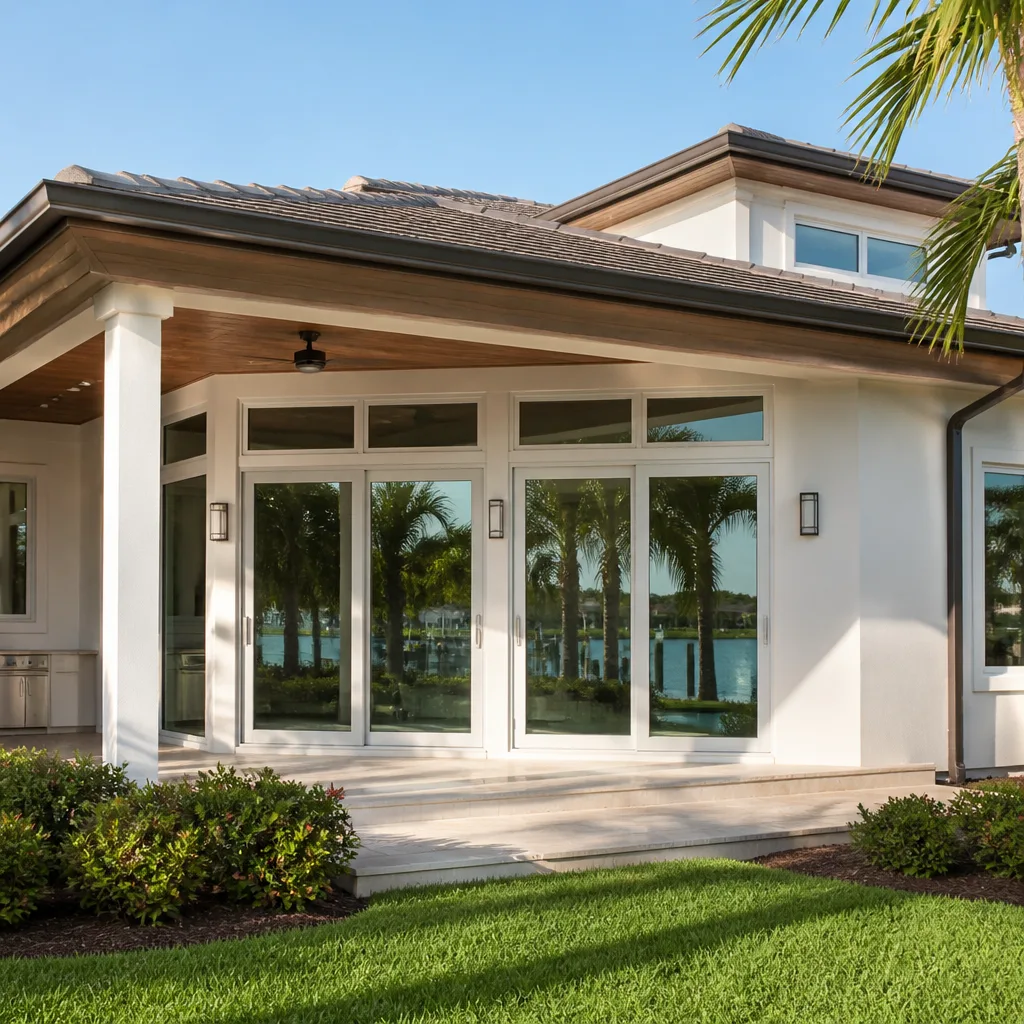
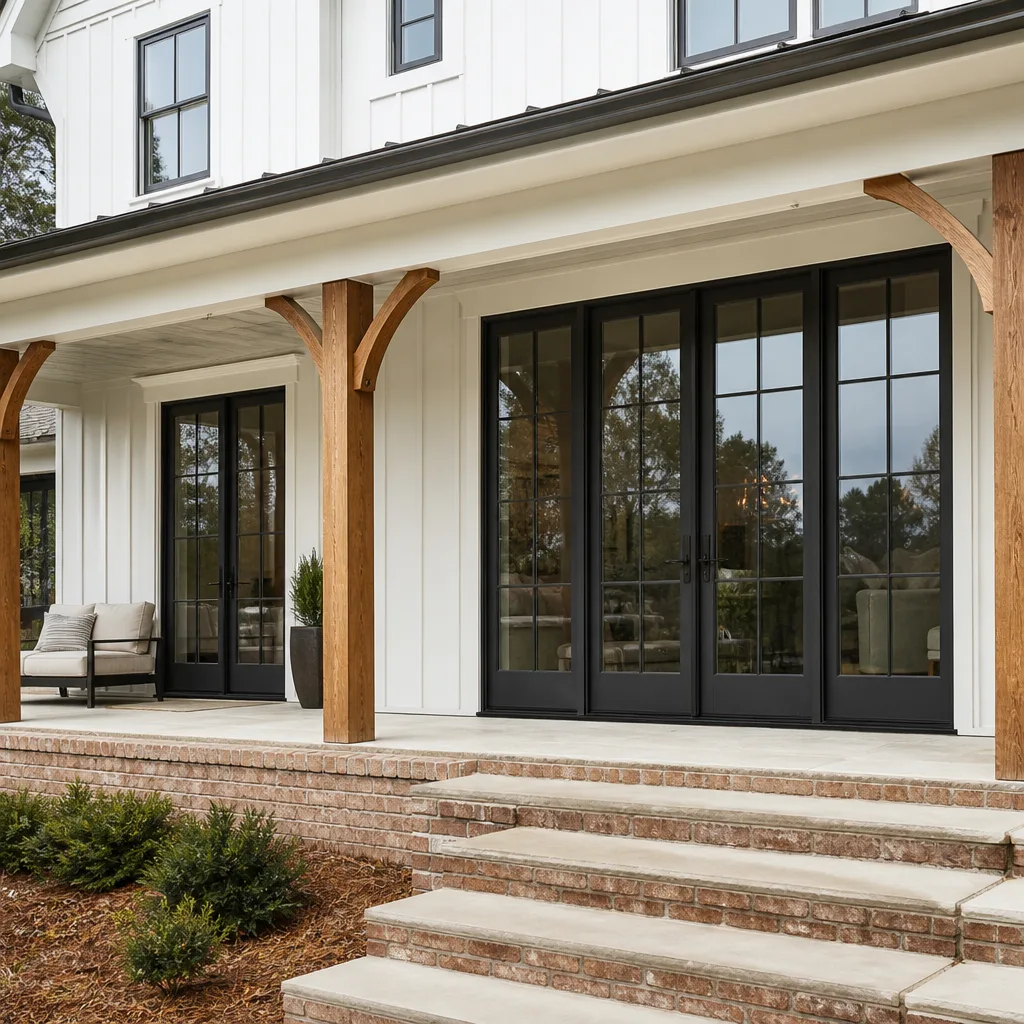
Sliding patio doors are the most cost-efficient way to open a wall, typically $2,000 to $4,000 installed. French doors run $2,500 to $5,000 installed because of the frame and hardware complexity. Bi-fold doors are the highest-cost option, starting around $3,500 and climbing with width and glazing. For a home with a covered patio or an active indoor-outdoor flow, a well-installed sliding door is often the highest-value choice.
One note that saves headaches later: door installation is genuinely different work from window installation. The threshold, the flashing, and the jambs have to be right, or the door will leak or drag within a season. If you’re considering full-scope exterior work, our door replacement page covers entry and sliding door scope in one place.
Financing and What It Actually Costs You
Financing is often presented as a convenience, but it carries a real cost that rarely shows up on the quote. The total paid over the life of the loan versus the cash price can differ by hundreds or thousands of dollars depending on the terms.
The three common financing structures
- Cash: Lowest total cost. Always ask for the cash price first, so you have a baseline to compare financing options against.
- 12-month same-as-cash: No interest if the balance is paid within the promotional window. The risk is that deferred interest kicks in retroactively if the balance isn’t cleared in time.
- Long-term installment: Lower monthly payments, but interest accrues from day one. A $12,000 project at a typical rate over five years can cost noticeably more than the cash price once the total payments are added up.
How to compare financing fairly
- Get the cash price in writing.
- Ask for the total of payments for each financing option, not the monthly payment.
- Compare that total against the cash price.
- Read the fine print on any “no interest” offer, especially the deferred interest terms and payoff deadline.
In Kent, many installers offer one or two structures, not all three. The ones that matter are the ones you can actually qualify for, so ask what’s available before you commit. And keep in mind the total cost of the project is the number that matters. A slightly higher monthly payment on a fair, honestly priced job beats a low monthly payment on an inflated project price.
How to Compare Two Quotes Line by Line
Comparing quotes is a structured exercise, not a gut feeling. The goal is to line up every bid against the same categories so the differences are visible.
- Identify the installation method on each bid. Insert or full-frame changes every other number.
- Name the product and tier for every opening. Vague product descriptions (“premium vinyl”) are a red flag.
- List the glass package per window. Confirm Low-E, gas fill, and coatings on the actual quote.
- Check for disposal, flashing, trim, and permit fees. If they’re missing, they’re either included elsewhere or they’ll appear later.
- Total the line items and compare per-opening rather than by grand total.
- Ask each installer to explain any line that doesn’t match the other bids. The answer tells you whether the gap is real value or padding.
One thing that makes comparison easier: a written, line-item quote. Any bid that only gives you a total is not a bid you can compare. Free estimates that itemize product, glass, labor, and disposal are the baseline, and if an installer won’t put those on paper, that’s the answer you need.
Hidden Costs and What Good Quotes Include
The costs that catch homeowners off guard are usually the ones that were never on the quote in the first place. A good estimate includes them up front so the final invoice matches the estimate.
- Trim and finish carpentry: Interior and exterior trim repairs are often needed on older Kent homes and can add $100 to $300 per opening.
- Rot and structural repair: Once the old unit is out, damaged framing or sheathing is sometimes revealed. Reputable installers price a contingency or include it in the estimate.
- Permits: Most cities require a permit for window and door replacement, so ask your city’s building department what your project needs. Permit handling should be spelled out on the quote.
- Disposal: Old windows, doors, glass, and packaging have to go somewhere. Disposal is a real cost.
- Lead paint and asbestos testing: Homes built before the 1980s may need testing before work begins, which adds time and cost.
- Screen and hardware upgrades: A common upsell, but worth confirming if screens are included in the base price.
Also watch minimum-project rules. Many window and door installers won’t take single-opening jobs, and some have a higher minimum. At Window Replacement Kent, we take projects of three openings or more, and knowing that upfront saves everyone a call. If you’re pricing one window and wondering why the bids are so high, this is often the reason.
Common Mistakes to Avoid
- Comparing grand totals instead of per-opening costs. A $15,000 bid for ten openings is $1,500 each, while a $14,000 bid for eight openings is the more expensive job per unit. Always normalize the numbers.
- Assuming all vinyl is the same. Frame construction, wall thickness, and welding differ significantly between entry-level and mid-range products. Ask what the frame and reinforcement actually are.
- Skipping the permit question. Unpermitted work can create problems when you sell the home, and most Kent-area municipalities require a permit for replacement. Ask your city’s building department and confirm the quote includes permitting.
- Buying triple-pane on every opening. In a mild, wet climate like Kent’s, Low-E and argon generally deliver more savings per dollar. Match glass to orientation and use.
- Choosing on price alone when installation methods differ. An insert bid and a full-frame bid are not the same project, even when the totals are close.
- Ignoring the door hardware line. Locksets, deadbolts, and thresholds add real cost. If they aren’t itemized, they’ll likely appear as a surprise later.
- Signing before the quote is in writing. A verbal estimate is not a commitment. A written, line-item quote protects you and makes the final invoice match what you agreed to.
See the difference
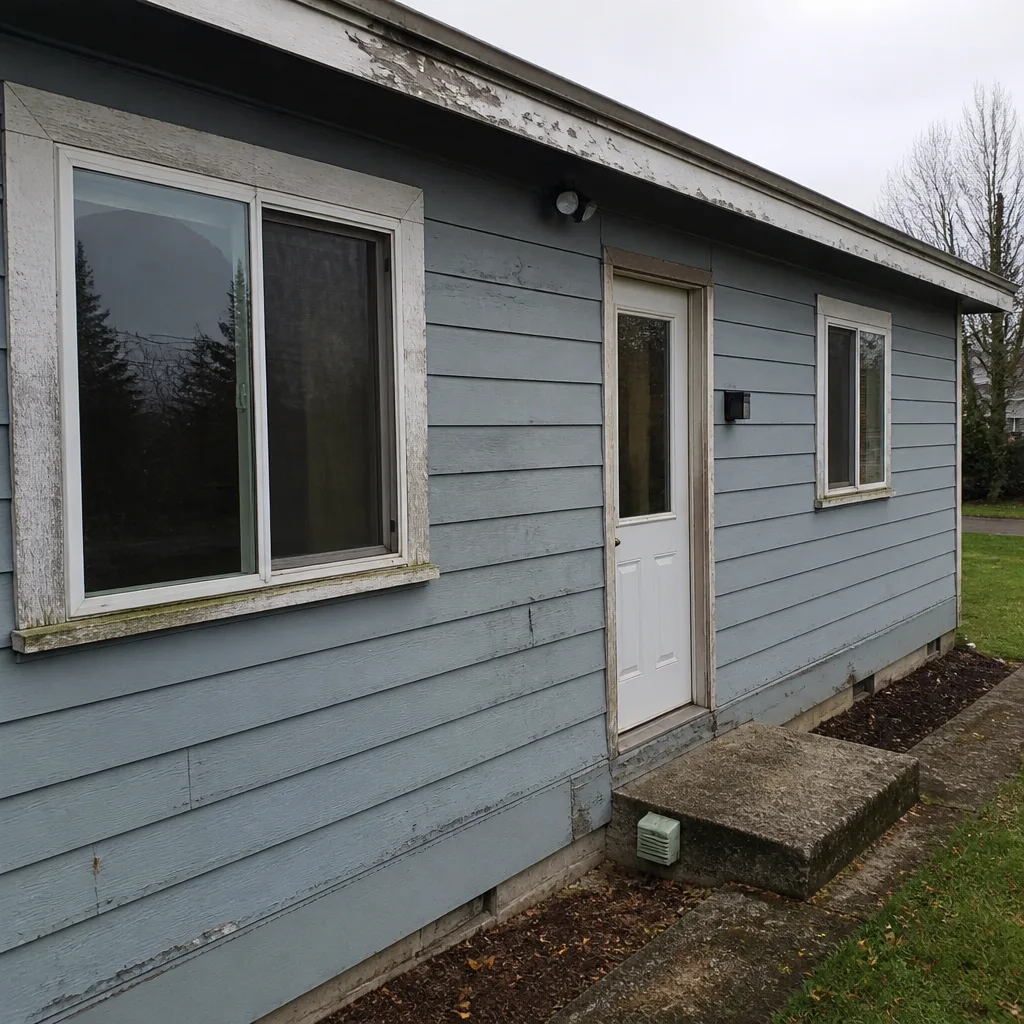 Before
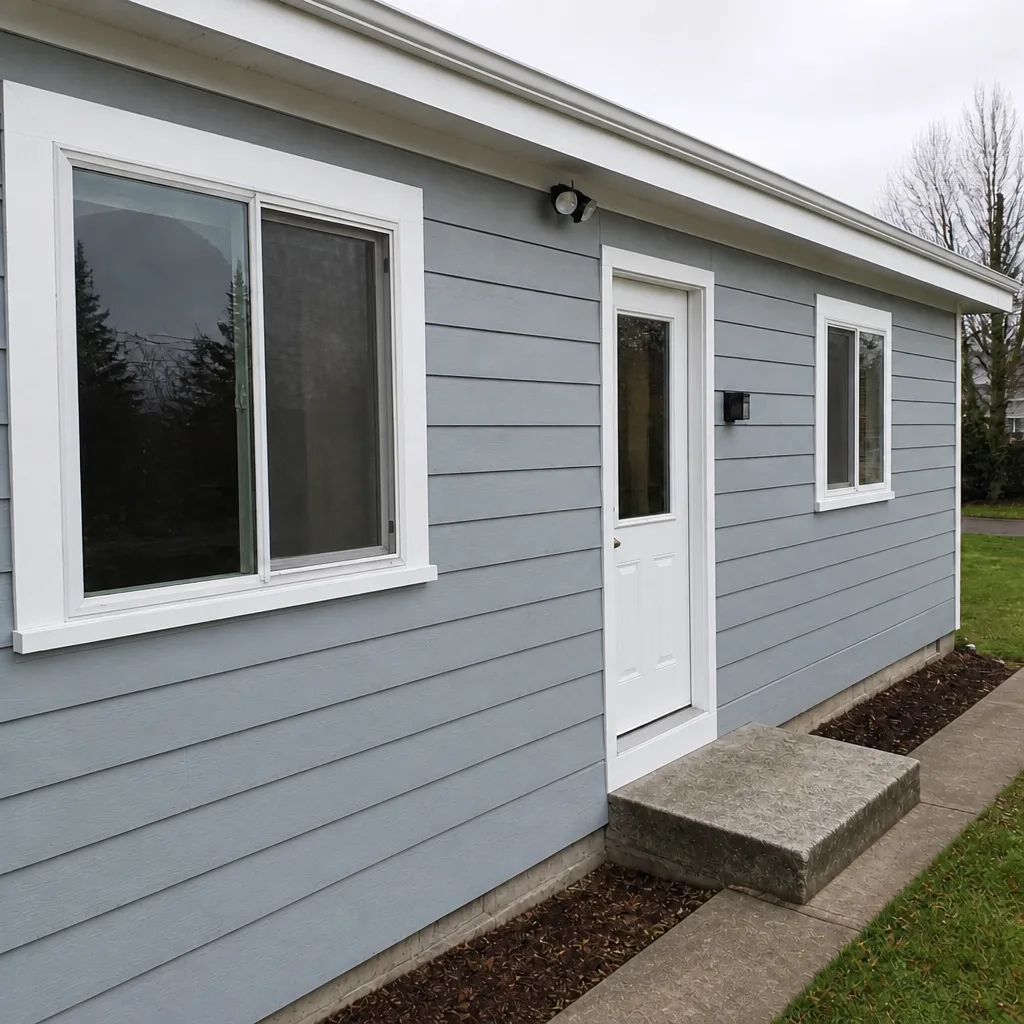 After
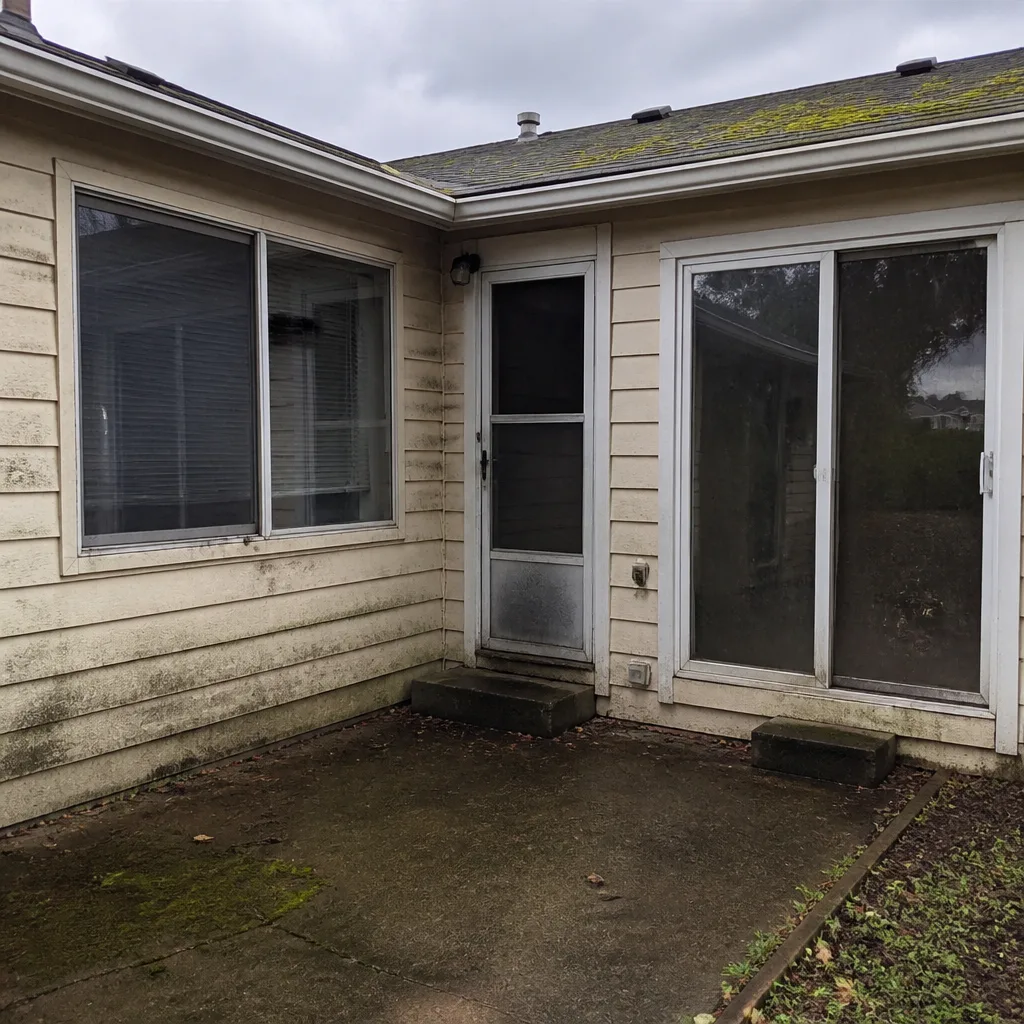 Before
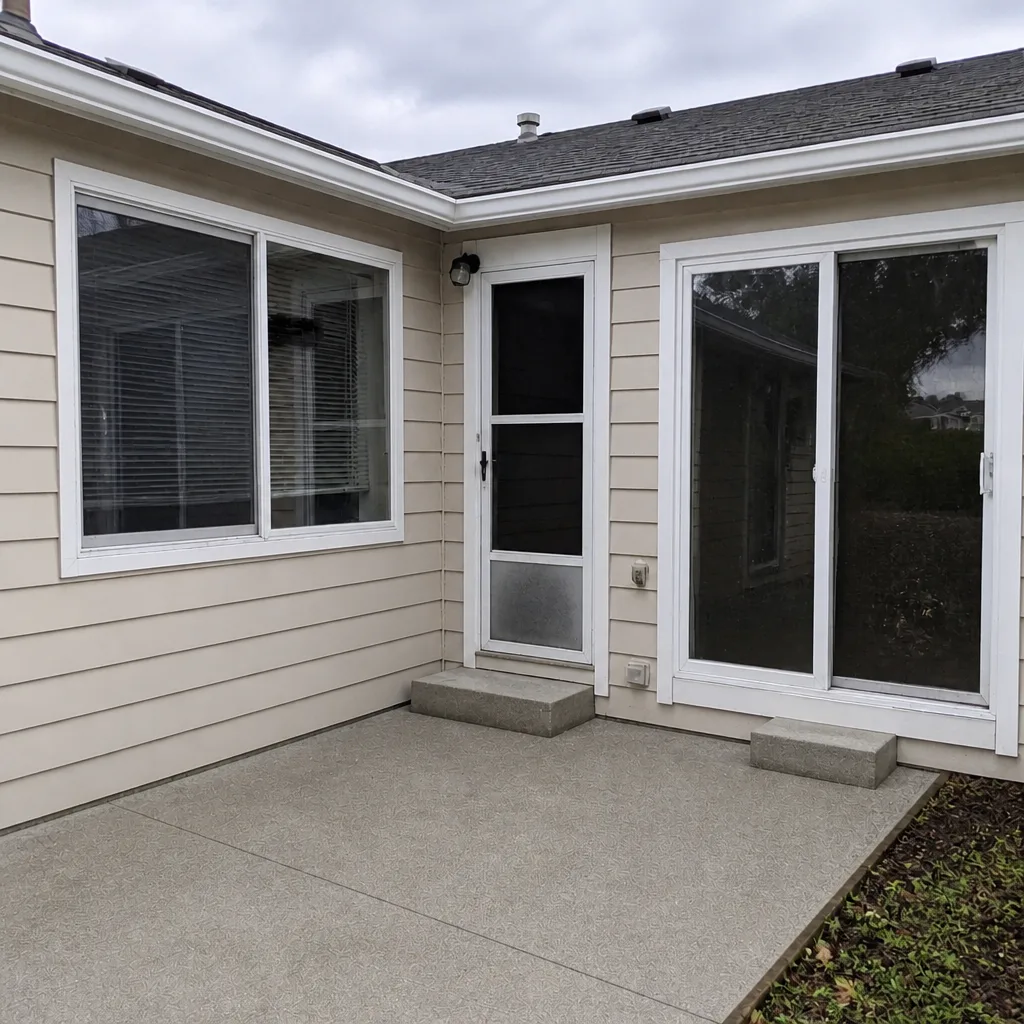 After
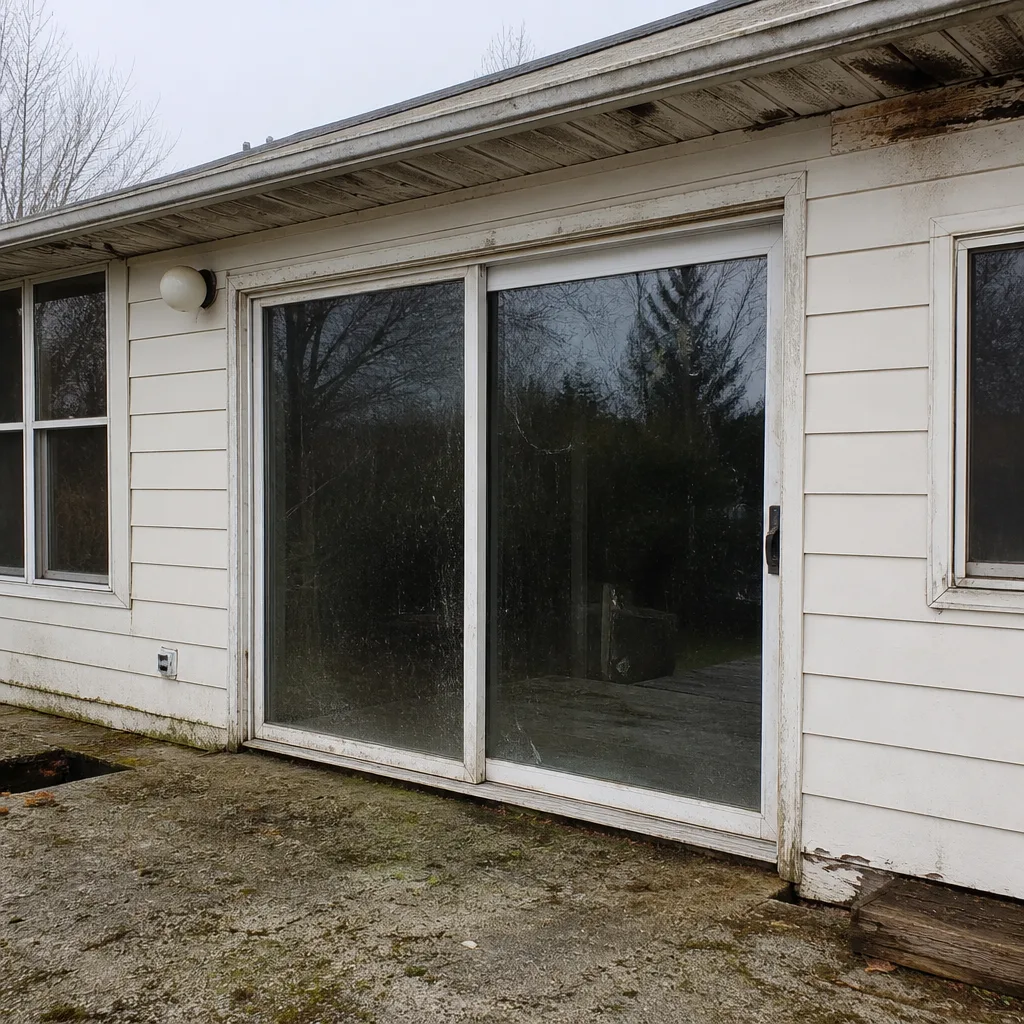 Before
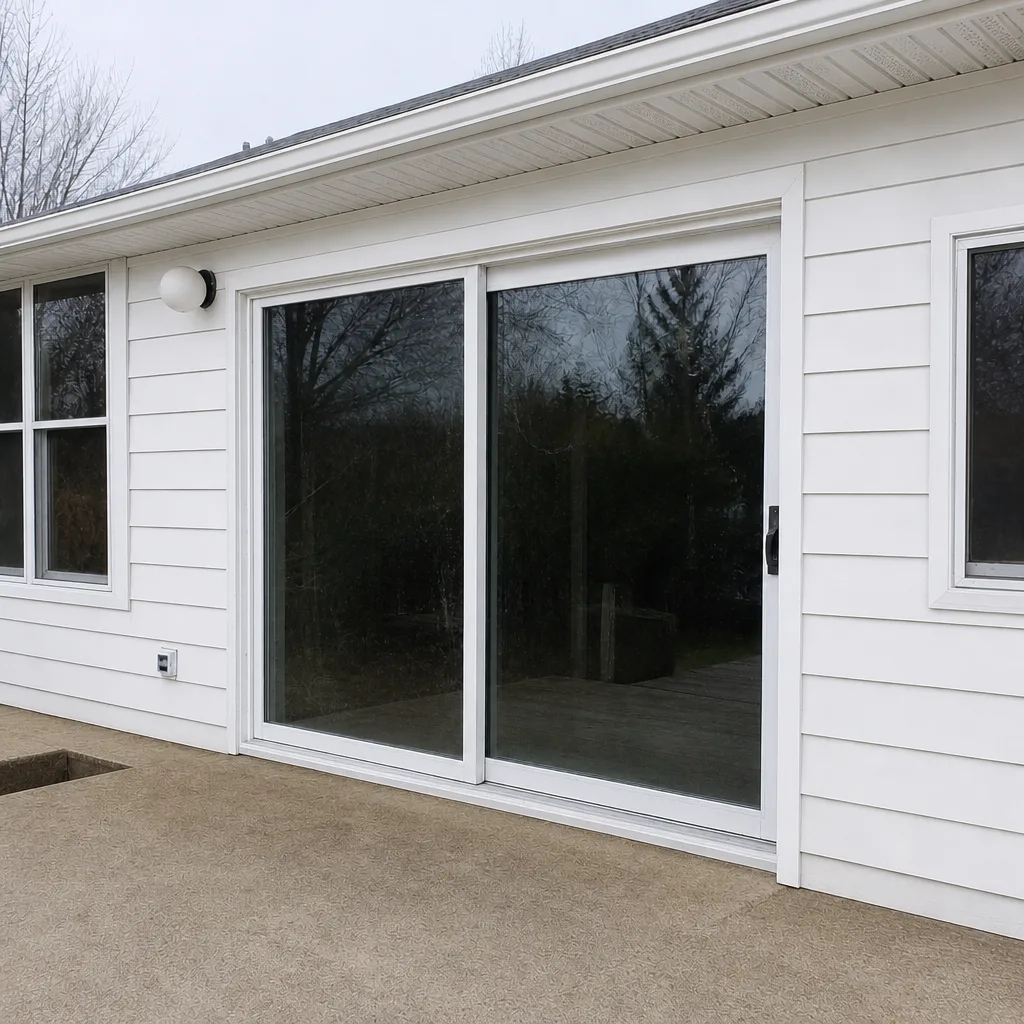 After
When to Call a Professional
Some window and door problems are cosmetic and can wait. Others have real consequences if you put them off. Call a professional if a window fogs between the panes and can’t be cleared, if a door drags, sticks, or won’t latch, if you see moisture or soft wood around any frame, if a sliding door has jumped the track, or if you’re ready to replace several openings at once and want an honest line-item estimate before committing. Glass, framing, and structural openings are not DIY territory: a failed seal or an improperly flashed unit can lead to rot, water damage, and loss of energy performance. Window Replacement Kent offers free estimates in Kent, and our technicians have up to 9 years of experience. Call (253) 480-6913 to schedule yours.
Frequently Asked Questions
Window replacement in Kent typically costs $550 to $1,400 per opening installed in 2026, depending on product tier, glass package, and installation method. Entry-level vinyl lands around $450 to $700 per opening, mid-range products run roughly $700 to $1,000, and premium or impact-rated lines run $1,000 to $1,800 and up. Insert installation is cheaper than full-frame, which adds $150 to $400 per opening in labor plus trim. Call (253) 480-6913 for an exact quote; estimates are free.
The difference is almost never the visible window. It’s the glass package, the installation method, the product tier, and what’s included in disposal and trim. A $650 quote may use an entry-level window installed as an insert without flashing, while a $1,100 quote may include Low-E glass, argon, new trim, and a full-frame installation. Both can be fair, but they’re not the same project. Ask for a line-item breakdown before you compare totals.
Full-frame is worth it when the existing frame is rotted, out of square, or leaking at the sill, which we see often in Kent’s older housing stock. It also makes sense when you’re changing window size or configuration. If the frame is solid, an insert replacement delivers the same visible result for less. The only way to know is to have the frame assessed before committing.
A steel entry door typically runs $1,200 to $2,000 installed, a fiberglass door runs $1,500 to $3,000, and a wood door runs $2,500 to $4,500 and up. Sidelights add $400 to $900 per side, and hardware (lockset and deadbolt) adds $150 to $350. Ask for the door, hardware, sidelights, and installation to be itemized separately on the quote. Call (253) 480-6913 for an exact estimate.
Rarely on every opening. Kent’s climate is mild, with cool wet winters and warm dry summers, so the biggest energy gains come from Low-E and argon on sun-exposed windows. Triple-pane adds $150 to $350 per opening and pays back primarily on cold, wind-exposed orientations or where a room has comfort problems. Match the glass to the room rather than buying the same upgrade everywhere.
It shouldn’t, and a fixed-price, line-item quote prevents it. The one legitimate source of change is what’s behind the old window or door: hidden rot or structural damage is not visible until the old unit comes out. A good quote prices this contingency up front or tells you the hourly rate for additional repairs in advance. Confirm the final invoice will match the written estimate before you sign, and call (253) 480-6913 to get a written quote for your project.
The Bottom Line
Window and door replacement costs in Kent vary mostly because of four things: installation method, product tier, glass package, and scope. Once you know those four categories, the difference between a $650 quote and an $1,100 quote is no longer a mystery, and you can compare bids fairly instead of guessing. Ask for a written, line-item estimate, confirm the installation method, and match the glass package to the actual orientation of each window. That’s what separates a good project from an expensive one. Window Replacement Kent carries eight brands and covers every opening in the home, and we’re happy to walk through the line items with you. Call (253) 480-6913 to schedule your free estimate.
Written by the team at Window Replacement Kent.